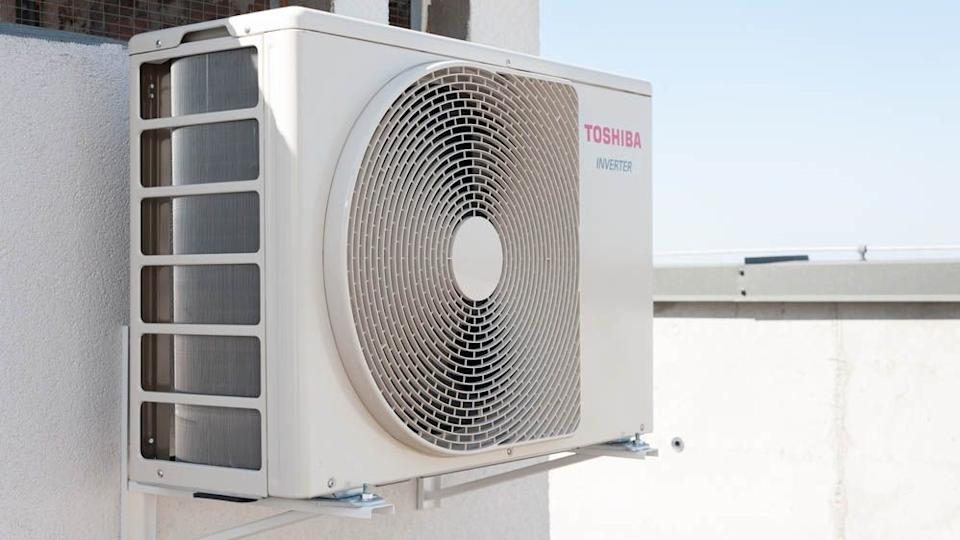
Have you ever noticed a musty smell coming from your air conditioner? That smell could mean there’s mold growing inside your unit.
But is mold in your air conditioner dangerous to you and your family? The answer might surprise you—and it’s important to know. Mold can affect your health, your home’s air quality, and even your air conditioner’s performance. Keep reading to find out why mold in your air conditioner matters, how it can impact you, and what you can do to protect yourself.
Don’t let this hidden problem take over your comfort and well-being.
Mold Growth In Air Conditioners
Mold growsin air conditioners due to moisture and dust. The cool, damp environment inside the unit helps mold spores to thrive. Poor maintenance, clogged drains, and dirty filters increase mold growth. Warm temperatures and humidity also support mold development.
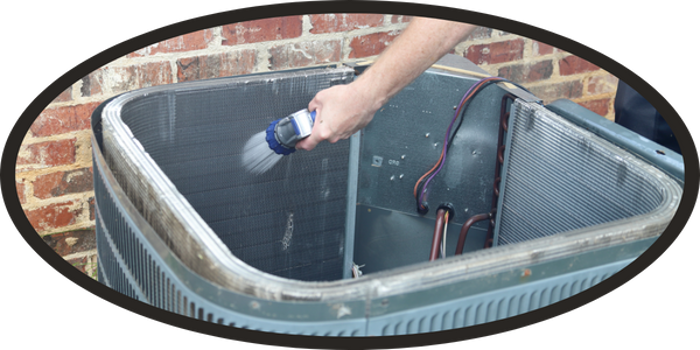
Common areas for mold include the evaporator coils, drip pans, and air ducts. These spots often hold moisture and dirt, making them ideal for mold. Regular cleaning of these parts helps prevent mold buildup.
| Common Areas | Reason for Mold Growth |
|---|---|
| Evaporator Coils | Moist and cold surface collects dust |
| Drip Pans | Water pools and stays wet |
| Air Ducts | Dust and moisture accumulate |
| Filters | Trap dust and moisture |

Credit: www.reddit.com
Health Risks Linked To Mold Exposure
Mold in air conditioners can cause breathing issues. People might cough or wheeze. It’s hard to breathe when mold spores are inhaled. Breathing problems can become severe. Kids and older adults are more at risk. They should avoid mold exposure.
Mold can cause sneezing and itchy eyes. Some people get runny noses. Skin might itch or have rashes. Mold allergies are uncomfortable. Allergic reactions can make daily life hard. It’s important to keep air conditioners clean.
A weak immune system can’t fight mold well. People might feel tired often. Some may get sick more easily. Mold can make it harder to stay healthy. Keeping mold away can help protect the immune system. Regular cleaning is key.
Signs Of Mold In Your Air Conditioner
Unusual odorsoften signal mold inside the air conditioner. A musty or damp smell is a clear warning.
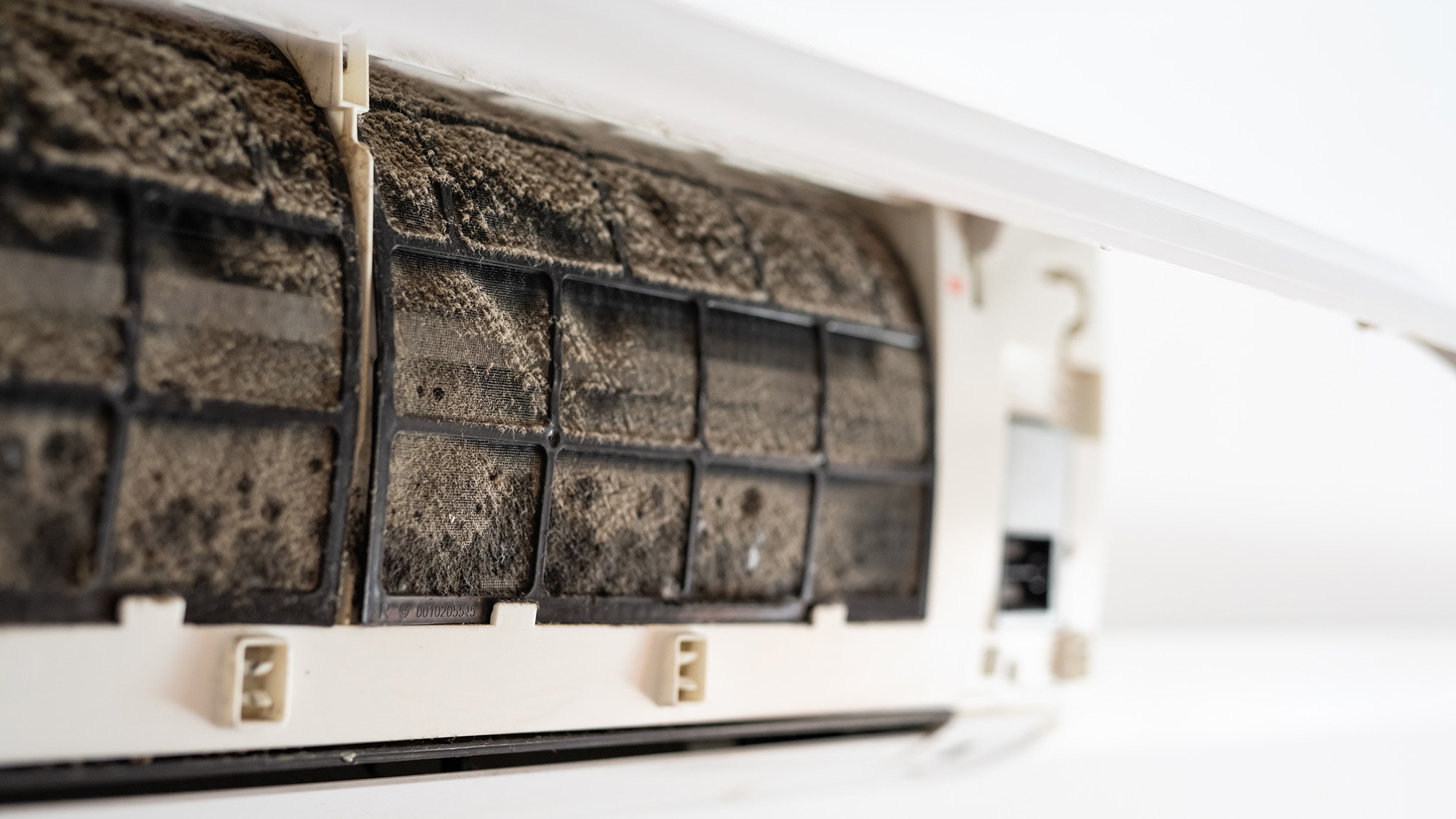
Visible mold patchesappear on vents or filters. These dark or green spots show mold growth.
Increased allergy symptomssuch as sneezing, coughing, or itchy eyes may occur. Mold spores can trigger these reactions.
Preventing Mold In Air Conditioning Units
Regular maintenance keeps air conditioners clean and safe. Changing filters often stops dust and mold from growing inside. Clean coils and drain pans help stop moisture buildup. Moisture control is key to prevent mold growth. Check for water leaks or pooling water in the system. Use a dehumidifier in humid areas to reduce moisture.
Mold-resistant filters help trap mold spores better than normal filters. These filters keep the air fresh and reduce allergy risks. Replace filters every 1-3 months depending on usage. Clean vents and ducts regularly to avoid mold spreading. Proper care extends the life of your air conditioner.
Cleaning And Removing Mold Safely
DIY cleaninguses simple tools like soap, water, and vinegar. Turn off the air conditioner and unplug it first. Remove the filter and soak it in warm, soapy water. Use a soft brush to scrub mold gently. Wipe the inside surfaces with a cloth dipped in a vinegar solution. Let everything dry completely before reassembling.
Call professionalsif mold covers large areas or returns quickly. They have special tools and chemicals to remove mold safely. Also call them if you feel sick or have allergies during cleaning. Experts can check the whole system to stop mold from coming back.
- Wear gloves and a maskto avoid breathing mold spores.
- Open windows for fresh air during cleaning.
- Use gentle cleaners to avoid damage.
- Do not mix different cleaning chemicals.
- Dry all parts fully to prevent more mold growth.
Credit: www.tomsguide.com
Long-term Effects Of Ignoring Mold
Ignoring mold in your air conditioner can cause health problems like allergies and breathing issues. Mold spores spread through the air, making indoor air unsafe. Over time, it can damage your AC system, leading to costly repairs.
Chronic Health Issues
Mold sporescan cause serious health problems over time. Breathing in mold can lead to allergies, asthma, and other lung issues. Some people may develop skin rashesor eye irritation. Long exposure makes symptoms worse and harder to treat.
Damage To Ac Systems
Mold growth inside the air conditioner can damage parts. It blocks air filters and ducts, leading to poor airflow. Over time, mold can cause rustand corrosionin the system. This reduces the unit’s life and increases repair costs.
Increased Energy Costs
- Mold buildupmakes the AC work harder.
- The system uses more electricity to cool the space.
- This leads to higher energy bills.
- Cleaning mold helps save moneyand energy.
Credit: www.moldinspectiontexas.com
Frequently Asked Questions
Is Mold In Air Conditioners Harmful To Health?
Yes, mold in air conditioners can cause allergic reactions. It may trigger asthma, respiratory issues, and skin irritation. Mold spores spread through the air, affecting indoor air quality and health. Regular cleaning and maintenance reduce these risks.
How Does Mold Grow Inside An Air Conditioner?
Mold grows in air conditioners due to moisture buildup. Warm, damp environments inside the unit promote mold growth. Clogged drains, dirty filters, and poor ventilation contribute to mold formation. Regular cleaning prevents mold development.
Can Mold In Ac Worsen Allergies?
Yes, mold in AC can worsen allergies. Mold spores trigger sneezing, coughing, and itchy eyes. People with asthma or sensitive immune systems are more affected. Cleaning and using air purifiers help reduce allergy symptoms.
How To Detect Mold In Your Air Conditioner?
Detect mold by a musty smell or visible black spots. Airflow blockage and reduced cooling efficiency may also indicate mold. If you notice these signs, inspect and clean the unit immediately.
Conclusion
Mold in an air conditioner can cause health problems and damage. It spreads quickly in damp, warm places inside the unit. Breathing mold spores may lead to allergies and breathing issues. Cleaning and regular maintenance help keep mold away. Use a professional service if mold is severe.
Stay alert to musty smells or visible mold. A clean AC means better air and safer home. Don’t ignore mold signs; act to protect your health.