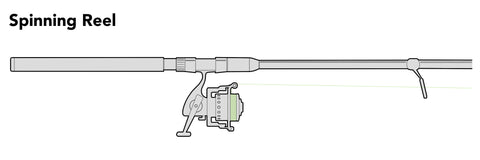
Getting your fishing rod ready starts with one simple step: putting the string on it correctly. If you’ve ever felt confused or frustrated trying to set up your rod, you’re not alone.
But don’t worry—once you know the right way to do it, you’ll save time and fish like a pro. In this guide, you’ll learn easy, step-by-step instructions to put the string on your fishing rod quickly and confidently. Keep reading, and you’ll be casting your line with ease in no time!

Credit: www.youtube.com
Choosing The Right Fishing Line
Choosing the right fishing line is important for a good fishing experience. The line must match your rod and fishing needs. A wrong line can cause problems like breakage or poor casting.
To pick the best line, know the types, strength, and your fishing style. This guide will help you decide what works best.
Types Of Fishing Lines
There are three common types of fishing lines: monofilament, fluorocarbon, and braided. Each has unique features that fit different fishing situations.
- Monofilament:Flexible and easy to handle. Good for beginners.
- Fluorocarbon:Nearly invisible in water. Best for clear water fishing.
- Braided:Very strong and thin. Great for heavy cover or deep water.
Line Strength And Thickness
Line strength is shown as “pound test.” It tells how much weight the line can hold before breaking. Thickness affects casting and sensitivity.
| Line Type | Typical Strength | Thickness |
| Monofilament | 4 to 30 lbs | Medium |
| Fluorocarbon | 6 to 40 lbs | Thin |
| Braided | 10 to 80+ lbs | Very Thin |
Selecting Based On Fishing Style
Your fishing style changes the best line choice. Match the line to the fish size, water type, and fishing method.
- Freshwater fishing:Monofilament or fluorocarbon works well.
- Saltwater fishing:Braided lines handle strong fish and salt better.
- Fly fishing:Use thin and sensitive lines like fluorocarbon.
- Heavy cover fishing:Choose strong braided lines to avoid breaks.
Gathering Necessary Tools
Setting up a fishing rod requires a few important tools. Each tool plays a vital role in making your fishing trip successful. Let’s explore what you need to get started.
Fishing Rod And Reel
The fishing rod and reel are the core components. The rod is used to cast the line into the water. The reel helps in winding the line back. Choose a rod and reel that suit your fishing style and experience level.
- Spinning reels are great for beginners
- Baitcasting reels offer more precision
- Consider the rod length for casting distance
Fishing Line Spool
The fishing line spool is crucial. It carries the line that connects the rod and the hook. Ensure the line is strong enough for the type of fish you aim to catch. Different lines have different strengths and thicknesses.
- Monofilament lines are versatile and affordable
- Braided lines offer strength for larger fish
- Fluorocarbon lines are nearly invisible underwater
Additional Accessories
Additional accessories enhance your fishing experience. These tools help in preparing and maintaining your fishing gear. They ensure that your setup is efficient and ready for action.
- Fishing pliers for cutting line and removing hooks
- Bobbers to keep your bait at the right depth
- Tackle box to organize and store your gear
Preparing The Fishing Rod
Putting the string on a fishing rod starts with good preparation. Getting the rod ready helps make the process easier and smoother.
Checking the rod and setting up the reel are important first steps. These ensure the rod works well and the string fits properly.
Checking The Rod Guides
Rod guides are the small loops along the fishing rod. They keep the string in place and help control it when casting.
Check each guide for cracks or damage. Make sure they are clean and aligned straight with the rod.
- Look for broken or bent guides
- Remove dirt or debris inside guides
- Make sure guides are in a straight line
- Replace any damaged guides before stringing
Setting Up The Reel
Attach the reel firmly to the rod’s reel seat. This holds the reel steady during fishing.
Check the reel handle and spool. Make sure the spool turns smoothly and the handle moves easily.
- Secure the reel tightly to the rod
- Test the reel spool for smooth spinning
- Check the drag system is working properly
- Make any adjustments before adding the string
Attaching The Line To The Reel
Putting the string on a fishing rod starts with attaching the line to the reel. This step keeps the line tight and ready for casting. You need to do it carefully to avoid tangles.
Follow simple steps to thread, tie, and secure the line. Each part helps the line stay strong while fishing.
Threading The Line
First, pull the fishing line from the spool. Pass it through the reel’s guide eye and the rod’s line guides. This directs the line smoothly onto the reel.
Make sure the line moves freely. Avoid twists or tight spots that can cause problems later.
Tying The Knot
Attach the line to the reel spool with a strong knot. A common knot is the arbor knot. It holds the line firmly and stops slipping.
- Wrap the line around the spool.
- Tie an overhand knot around the main line.
- Make a second overhand knot near the tag end.
- Pull both knots tight against the spool.
- Trim the extra line close to the knot.
Securing The Line
Hold the line tight with your fingers. Slowly turn the reel handle to wrap the line evenly on the spool. Keep light tension during winding.
Fill the spool without overloading. Stop when the line is about 1/8 inch from the spool’s edge. This prevents tangles when casting or reeling.
Spooling The Line Onto The Reel
Putting the fishing line on your reel is an important skill. A well-spooled reel helps you catch fish easily and avoids problems on the water.
Spooling the line means winding it tightly and evenly onto the reel. This guide explains how to do it right for the best fishing experience.
Maintaining Tension
Keep the line tight while spooling to avoid loose loops. Loose line can cause tangles and reduce casting distance.
You can use your fingers or a cloth to hold the line with steady pressure. Ask someone to help by holding the spool if needed.
- Hold the line firmly but gently
- Keep tension steady as you wind
- Check tension often during spooling
Avoiding Twists And Tangles
Twists and tangles happen when the line twists as it goes onto the reel. This can cause line breaks and casting problems.
Make sure the line spool spins the same way as the reel. Let the line come off the spool smoothly without twisting.
- Check the line direction before spooling
- Keep the spool aligned with the reel
- Stop and fix twists quickly if they appear
Filling The Spool Properly
Fill the reel spool evenly and not too full. Too much line can cause tangles, too little can reduce casting distance.
Leave about 1/8 inch of space from the spool edge. This helps the line come off smoothly when you cast.
- Wind the line evenly side to side
- Stop filling when near the spool edge
- Check the line level after spooling
Threading The Line Through The Rod Guides
Putting the string on a fishing rod starts with threading the line through the rod guides. This process helps the line run smoothly and keeps it from tangling.
Each guide is a small ring on the rod that the line passes through. Correct threading is important for a good fishing experience.
Starting From The Bottom Guide
Begin threading the line through the guide closest to the reel, called the bottom guide. This guide is usually the largest one on the rod.
- Hold the rod firmly and pull some line from the reel.
- Insert the line through the bottom guide’s ring.
- Pull the line gently to avoid catching on the guide.
- Continue threading the line through each guide moving upward.
- Make sure the line passes through the center of every guide.
Ensuring Smooth Line Movement
Smooth line movement helps when casting and retrieving. Check each guide for damage or rough edges that can cut or catch the line.
| Tip | Reason |
|---|---|
| Clean guides regularly | Remove dirt and salt to prevent damage |
| Use line conditioner | Helps line glide smoothly |
| Inspect guides for cracks | Damaged guides can break the line |
| Thread line carefully | Prevents tangles and snags |
Finalizing The Setup
After threading the fishing line through the rod guides, you need to secure it properly. Finalizing the setup makes sure your line stays strong and ready for fishing.
This part includes tying the end knot, trimming the extra line, and testing the line’s strength. Each step helps keep the setup safe and efficient.
Tying The End Knot
Tie a strong knot at the end of the line to hold your lure or hook. A common knot is the improved clinch knot. It keeps the line from slipping off.
Wrap the line around itself five to seven times and pull tight. Make sure the knot sits close to the rod tip.
- Thread the line through the lure eye
- Wrap the line around itself 5-7 times
- Pass the end through the loop near the eye
- Pull the knot tight and trim the tag end
Trimming Excess Line
Cut off any extra line after tying your knot. Leaving too much line can cause tangles and reduce casting distance.
Use sharp scissors or clippers to trim close to the knot. Be careful not to cut the main line.
- Trim excess line about 1/8 inch from the knot
- Keep the cut clean to avoid fraying
- Check the knot after trimming to ensure it’s secure
Testing The Line Strength
Test your line by pulling gently on it after setting up. This checks the knot and line hold under pressure.
If the line slips or breaks, retie the knot or replace the line. A strong setup prevents losing fish or gear.
- Pull the line firmly to test the knot
- Look for any signs of slipping or damage
- Retie if the knot feels weak or loose
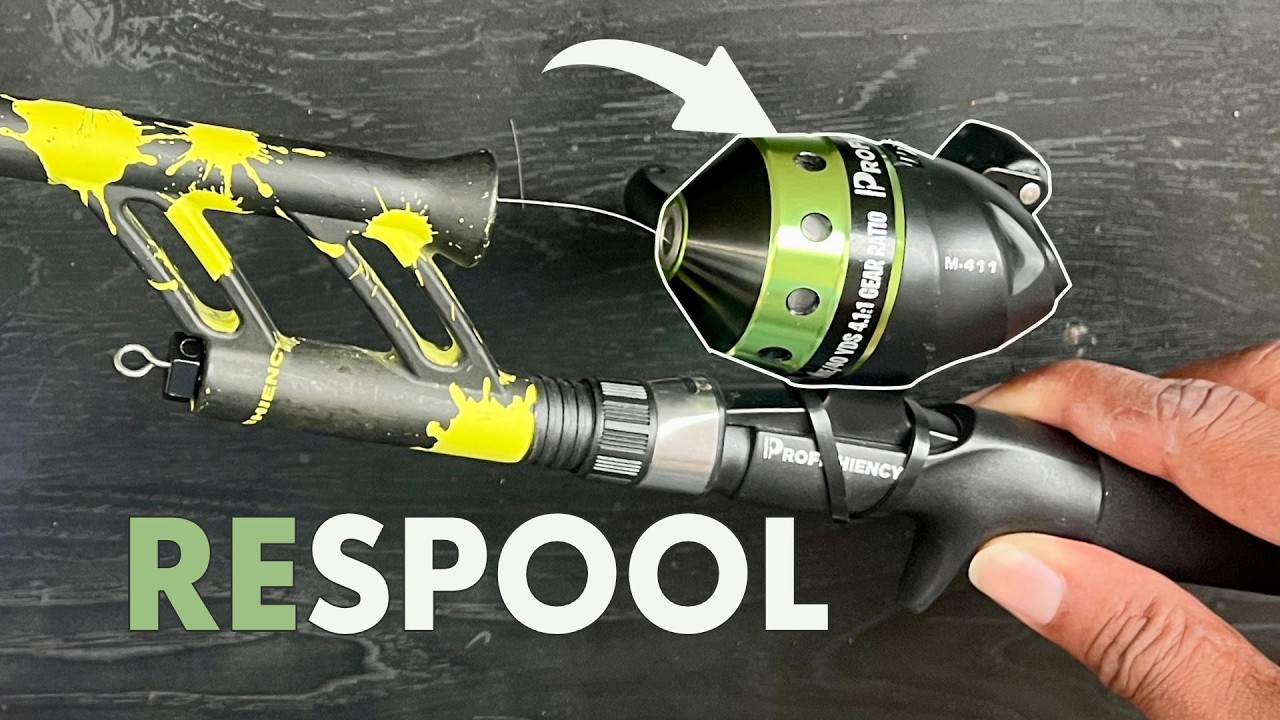
Credit: www.youtube.com
Common Mistakes To Avoid
Putting the string on a fishing rod seems simple. Many beginners make mistakes that cause problems later. Avoiding these errors helps your fishing line last longer and work better.
This guide covers common mistakes people make when spooling a fishing rod. Learn what to watch out for and how to fix these issues.
Overfilling The Spool
Overfilling the spool causes many problems. Too much line can lead to tangles and knots. It also makes casting harder and can damage the reel.
- Do not fill the spool to the top edge.
- Leave about 1/8 inch space from the spool lip.
- Check your reel’s recommended line capacity.
- Too much line can cause bird nests and tangles.
Loose Knots
Loose knots can slip or come undone while fishing. This causes losing your catch or the line breaking. Always tie tight, secure knots for safety.
| Knot Type | Common Problem | How to Fix |
|---|---|---|
| Improved Clinch Knot | Slips if not tight | Pull firmly and wet the line before tightening |
| Palomar Knot | Loose loops | Double check loops and pull tight |
| Uni Knot | Not enough wraps | Make 5-6 wraps around the line |
Ignoring Line Twists
Line twists make casting and reeling difficult. Twists cause knots and weak spots. Stop twists early to save your line and catch more fish.
- Check the line as you spool it on the reel.
- Use a swivel to reduce line twists when fishing.
- Let the line hang freely before spooling to remove twists.
- Replace line if twists cause damage.

Credit: mossyoakgamekeeper.com
Frequently Asked Questions
How Do You String A Fishing Rod Properly?
To string a fishing rod, first attach the reel securely. Thread the line through the guides, starting from the tip. Tie the line to the reel spool and wind it evenly. Check for smooth tension and adjust the drag before fishing.
What Type Of Fishing Line Is Best For Beginners?
Monofilament line is ideal for beginners. It is affordable, easy to handle, and stretches to reduce hook pulls. It also works well with most rod types and is versatile for different fishing conditions.
How Tight Should The Fishing Line Be?
The fishing line should have moderate tension. It must be tight enough to cast smoothly but loose enough to avoid snapping. Adjust the reel drag to maintain optimal tension during casting and when reeling in fish.
When Should You Replace The Fishing Line?
Replace your fishing line every 3-6 months or after heavy use. Signs include fraying, discoloration, or loss of strength. Fresh line ensures better casting, reduces breakage, and improves overall fishing performance.
Conclusion
Putting the string on a fishing rod is simple with practice. Follow each step carefully to avoid mistakes. Make sure the line is tight and secure. Check the reel and rod before you start fishing. This helps you enjoy your time on the water.
Keep your gear ready and well-maintained. Fishing becomes more fun when your rod works well. Try this method next time you prepare your rod. You will feel confident and ready to catch fish.