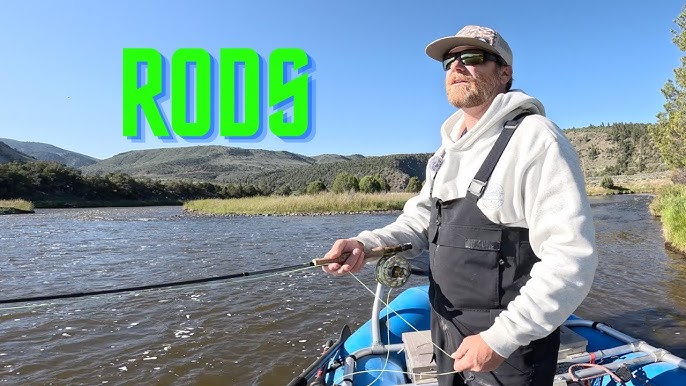
Choosing the right fishing rod length can make a huge difference in your fishing experience. You might wonder, “How long should my fishing rod be?” The answer isn’t one-size-fits-all.
It depends on where you fish, the type of fish you want to catch, and how you like to cast. Get this right, and you’ll enjoy better control, longer casts, and more successful catches. Keep reading, and you’ll discover the key tips to pick the perfect rod length tailored just for you.
Choosing Rod Length
Picking the right fishing rod length matters for your fishing style. The rod length affects how you cast and control the line.
Different lengths suit different types of fishing. Knowing the effects helps you choose better.
Short Vs Long Rods
Short rods are easier to handle in tight spaces like small boats or dense trees. They give better control but less casting distance.
Long rods let you cast farther and keep the line higher above water. They can be harder to use in small areas.
- Short rods: 5 to 7 feet
- Long rods: 8 to 14 feet
- Short rods for close, precise fishing
- Long rods for open water and distance
Impact On Casting Distance
Long rods make it easier to cast your bait far from shore. This helps when fish are far away.
Short rods limit how far you can cast but offer better control at close range. They suit fishing in small areas.
- Long rods increase casting distance
- Short rods reduce casting distance
- Choose rod length based on fishing spot size
Effect On Accuracy
Short rods provide better accuracy because they are easier to aim. This helps when you need to place the bait precisely.
Long rods can be less accurate at short distances due to their length. They work better when you cast far away.
- Short rods offer higher accuracy at close range
- Long rods work well for long-distance casting
- Match rod length with your accuracy needs
Types Of Fishing Rods
Choosing the right fishing rod can improve your fishing experience. Different rods suit different fishing styles and environments.
Fishing rods come in various lengths and designs. Understanding their types helps you make the right choice.
Spinning Rods
Spinning rods are versatile and user-friendly. They are ideal for beginners and suitable for light to medium fishing.
- Easy to use
- Great for casting light lures
- Suitable for freshwater and saltwater
Baitcasting Rods
Baitcasting rods offer precision and control. They are preferred by experienced anglers for heavy lures and bigger fish.
Consider the following when choosing a baitcasting rod:
- Rod Length: Shorter rods for precision, longer for distance
- Power: Choose based on the fish size
- Action: Fast action for quick hook sets
Fly Fishing Rods
Fly fishing rods are designed for casting lightweight flies. They are perfect for catching trout and other freshwater species.
| Rod Length | Water Type |
| 8-9 feet | Rivers and streams |
| 9-10 feet | Lakes and ponds |
| 10+ feet | Saltwater |
Fishing Environments
Choosing the right fishing rod length depends on where you fish. Different environments need different rods.
This guide explains how fishing places affect rod length choice. It covers freshwater, saltwater, and fishing from shore or boat.
Freshwater Fishing
Freshwater fishing happens in lakes, rivers, and ponds. You usually need a rod between 6 and 7 feet long.
Shorter rods work well in tight spaces like small streams. Longer rods help when you need to cast far in open water.
- Use 6 to 7 feet rods for most freshwater fishing
- Shorter rods (5 to 6 feet) fit well in small or crowded areas
- Longer rods (7 to 8 feet) help with long casts in open water
Saltwater Fishing
Saltwater fishing takes place in oceans and seas. Rods are usually longer for stronger fish and longer casts.
Rods from 7 to 9 feet are common. Longer rods give better control and distance on the shore or in deep water.
- 7 to 9 feet rods suit most saltwater fishing
- Long rods (8 to 10 feet) help with surf fishing
- Medium rods work well for boat fishing in saltwater
Fishing From Shore Vs Boat
Fishing from shore needs longer rods for casting far out. Boats allow shorter rods because you are closer to fish.
Short rods (5 to 7 feet) work well on boats. They are easier to handle in tight spaces. Shore fishing uses rods 8 feet or longer.
- Shore fishing: longer rods (8+ feet) for distance casting
- Boat fishing: shorter rods (5 to 7 feet) for control
- Choose rod length based on space and casting needs

Credit: fishanything.com
Target Species And Rod Length
Choosing the right fishing rod length depends on the fish you want to catch. Different fish need different rod lengths for better control and casting.
Shorter rods are easier to handle, while longer rods help cast farther. Knowing your target species helps pick the best rod length.
Small Fish Considerations
For small fish like panfish or trout, shorter rods work well. They give more accuracy and control near the shore or in tight spots.
Rods around 5 to 7 feet are perfect for these species. They help you feel the bite and set the hook quickly.
- Short rods improve accuracy
- Better control in small spaces
- Ideal for light lures and lines
Large Fish Needs
Big fish like bass, pike, or catfish need longer rods. Longer rods give more power to fight strong fish and cast heavy bait.
Rods from 7 to 10 feet help handle tough battles and cast farther into open water.
- Long rods give more leverage
- Better casting distance
- Stronger rods handle heavy lines
Versatile Rod Options
If you fish for different species, choose a medium-length rod. Rods around 6 to 7 feet work for many types of fishing.
These rods balance control and casting distance. They let you catch small and medium fish without changing gear too often.
- Medium rods fit many fishing styles
- Good for mixed species trips
- Easy to carry and use
Casting Techniques And Rod Length
The length of your fishing rod affects how you cast and control the line. Different casting techniques work best with certain rod lengths. Understanding this helps you choose the right rod for your fishing style.
Choosing the right rod length improves your casting distance, accuracy, and handling of weather conditions like wind. Each factor plays a role in your success on the water.
Distance Casting
Longer rods help you cast farther. They give more leverage and allow the line to travel a longer path in the air. This is useful when fishing in large lakes or rivers.
- Rods 9 feet or longer work best for long-distance casts.
- Use a smooth, controlled motion to avoid line tangles.
- A longer rod helps when you need to reach far spots without moving.
Precision Casting
Shorter rods offer better control and accuracy. They let you place your bait exactly where you want it. This is important near structures or in tight spaces.
| Rod Length | Best Use | Advantages |
| 5 to 7 feet | Precision casting | Better control, easier to handle |
| 7 to 9 feet | General casting | Balance of distance and accuracy |
| 9+ feet | Distance casting | Longer casts, more power |
Handling Wind Conditions
Wind affects casting distance and accuracy. Rod length changes how you handle wind. Medium-length rods offer the best balance for windy days.
Tips for casting in wind:
- Use a heavier lure to cut through the wind.
- Cast low to keep the line under the wind.
- Try a rod around 7 to 8 feet for better control in gusts.

Credit: fishingbooker.com
Portability And Storage
Choosing the right fishing rod length affects how easy it is to carry and store. A longer rod may be better for casting, but it can be hard to transport. Shorter rods are easier to pack and bring along.
Think about where you will keep your rod and how you will move it. Portability and storage are important for trips and everyday use.
Travel-friendly Rods
Travel-friendly rods are designed to be easy to carry and store. They usually break down into smaller parts. This makes them great for trips with limited space.
These rods fit in backpacks or small cases. They are light and still strong enough for fishing. You can take them on planes, cars, or hikes without hassle.
- Compact size for easy packing
- Strong materials for durability
- Usually multi-piece for convenience
- Lightweight for comfortable carrying
Multi-piece Rods
Multi-piece rods come apart into sections. This makes storage simple and saves space. They are popular for anglers who move around a lot.
Each piece fits into a case or bag. You can carry the rod easily without damage. These rods are good for both beginners and experienced fishers.
- Breaks down into 2 or more pieces
- Fits in small bags or cases
- Easy to assemble and disassemble
- Protects the rod during transport
Rod Maintenance Tips
Taking care of your rod keeps it working well and lasting longer. Clean it after each use, especially if used in saltwater. Wipe down with a soft cloth.
Store your rod in a dry place. Avoid leaving it in direct sun or extreme heat. Use a rod sleeve or case for extra protection.
- Rinse with fresh water after fishing
- Dry completely before storing
- Use rod covers for storage
- Check guides and reel seats regularly
Common Mistakes To Avoid
Choosing the right fishing rod length is important for a good fishing experience. Many anglers make mistakes that affect their catch and comfort.
Understanding common errors helps you pick a rod that works best for your fishing style and location.
Choosing Too Long Or Too Short
A rod that is too long can be hard to control and tiring to use. It may not work well in tight spaces like small boats or dense trees.
A rod that is too short limits your casting distance and may reduce your ability to fight big fish effectively.
- Long rods suit open water and long casts
- Short rods are good for close-quarters fishing
- Pick a length that matches your fishing spot
Ignoring Rod Action
Rod action means how much the rod bends when you pull on the line. Fast action rods bend near the tip, slow action bend more evenly.
Choosing the wrong action can make it hard to set the hook or control the fish. It also affects how the rod feels when casting.
- Fast action rods give quick hook sets
- Slow action rods help with delicate presentations
- Match rod action to your fishing style and target fish
Overlooking Reel Compatibility
Not every rod fits every reel. Using the wrong reel can cause balance problems and reduce casting efficiency.
Make sure your rod and reel work well together. This helps you cast smoothly and control the fish better.
- Match rod type with reel type (spinning, baitcasting)
- Check the rod’s reel seat size for your reel
- Balance the rod and reel to reduce fatigue

Credit: fishingbooker.com
Frequently Asked Questions
How Do I Choose The Right Fishing Rod Length?
Choose rod length based on fishing type and location. Longer rods cast farther, ideal for open water. Shorter rods offer better control, great for tight spots. Match rod length to your fishing style for best results.
Does Rod Length Affect Casting Distance?
Yes, longer rods generally increase casting distance. They provide more leverage and line speed. However, shorter rods offer better accuracy in close quarters. Select rod length balancing distance and control for your needs.
What Rod Length Is Best For Beginners?
A medium-length rod (6-7 feet) suits beginners well. It offers good control and versatility. This length works in various fishing environments and species. Beginners can easily learn casting and handling with this size.
Can Rod Length Impact Fish Fighting Ability?
Yes, longer rods give more leverage to fight big fish. Shorter rods provide better sensitivity and control. Choose rod length based on target species and fishing conditions to improve success.
Conclusion
Choosing the right fishing rod length depends on your fishing style. Short rods offer better control and accuracy. Long rods help cast farther and cover more water. Think about the fish you want to catch and where you will fish.
Try different lengths to find what feels best. Remember, comfort and ease matter most. A good fishing trip starts with the right gear. Keep these tips in mind for a better fishing experience. Happy fishing!