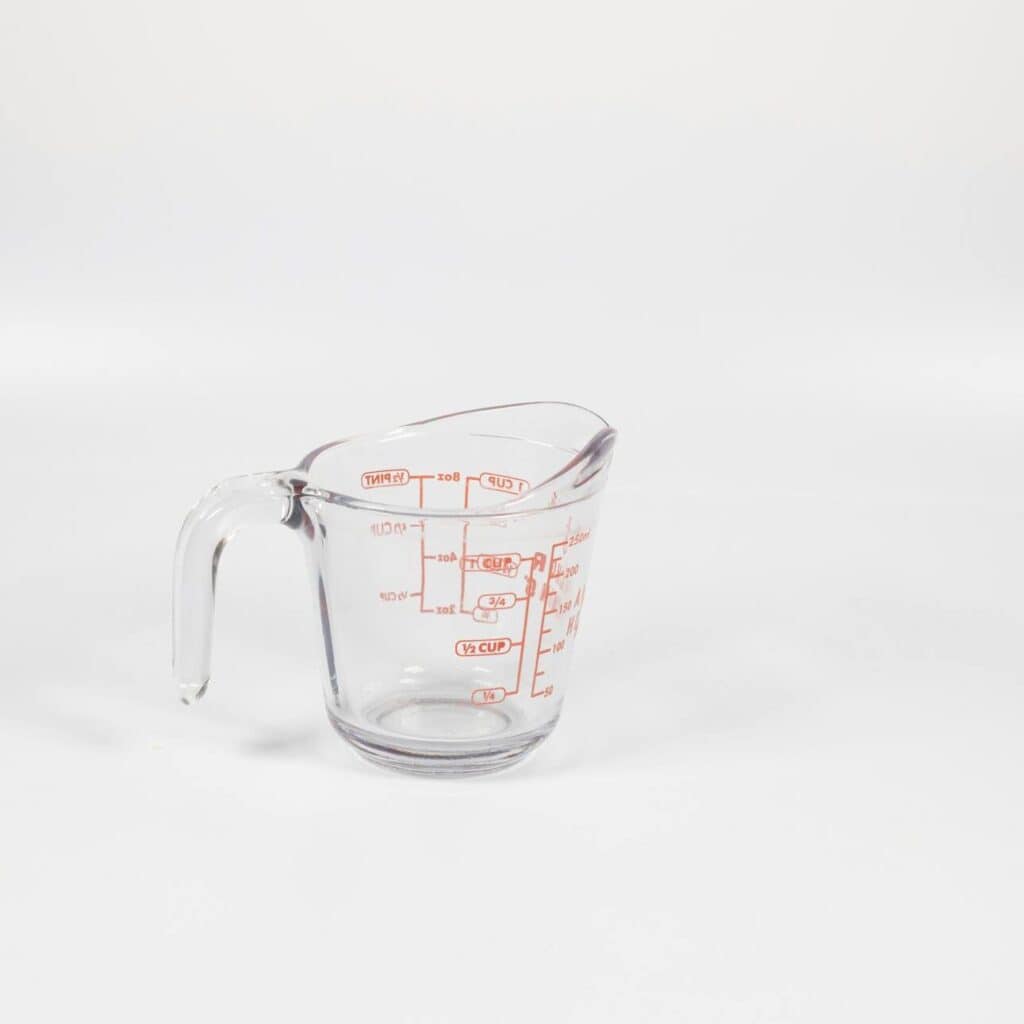
Have you ever stared at your measuring cup, wondering how to measure out 2/3 of a cup without any guesswork? It can feel tricky, especially when recipes call for precise amounts to get the best results.
But don’t worry—this guide will show you simple and foolproof ways to measure 2/3 of a cup every time. By the end, you’ll feel confident in your kitchen skills and ready to tackle any recipe with ease. Keep reading, and discover the easy tricks that make measuring ingredients a breeze!
Tools For Accurate Measurement
Measuring ingredients correctly is important in cooking and baking. Using the right tools helps you get the best results.
This guide covers three types of tools to measure 2/3 of a cup accurately.
Measuring Cups And Spoons
Measuring cups and spoons are common kitchen tools. They show exact amounts for dry and liquid ingredients.
Use a 2/3 cup measuring cup if you have one. If not, combine smaller cups or spoons to reach 2/3 cup.
- Use two 1/3 cups to make 2/3 cup
- Or use 10 tablespoons plus 2 teaspoons
- Fill cups to the top for accuracy
Kitchen Scales
Kitchen scales give precise weight measurements. They are good for dry ingredients like flour or sugar.
Find the weight for 2/3 cup of your ingredient using a conversion chart. Place a bowl on the scale, zero it, then add the ingredient.
- Zero the scale with a container
- Check ingredient weight for 2/3 cup
- Add ingredient until scale shows correct weight
Alternative Household Items
If you lack measuring tools, some household items can help. Use them carefully for rough estimates.
A standard tablespoon holds about 15 ml. Two-thirds of a cup equals about 10 tablespoons plus 2 teaspoons.
- Tablespoon: 15 ml per spoon
- Teaspoon: 5 ml per spoon
- Use 10 tablespoons and 2 teaspoons to measure 2/3 cup

Credit: rhondasues.com
Step-by-step Measuring Techniques
Measuring 2/3 of a cup accurately can be tricky. The right technique makes sure your recipe turns out great.
Follow these steps to measure both dry and liquid ingredients correctly. You’ll achieve consistent results every time.
Leveling Dry Ingredients
Dry ingredients like flour and sugar should be leveled for accuracy. Use a flat edge to remove excess.
- Scoop the ingredient with a measuring cup.
- Use a knife or spatula to level off the top.
- Ensure no air pockets are in the cup.
Measuring Liquids Precisely
Liquids need a different approach. Use a clear measuring cup and look at it at eye level.
- Place the cup on a flat surface.
- Pour the liquid until it reaches the 2/3 mark.
- Check the measurement at eye level for precision.
Using Fractions In Measurements
Fractions can simplify measuring smaller amounts. Know how to use different cups for accurate results.
Common fraction conversions:
- 1/3 cup + 1/3 cup = 2/3 cup
- 1/2 cup – 1/6 cup = 1/3 cup
Converting 2/3 Cup To Other Units
Measuring ingredients accurately is important for good cooking. Sometimes you need to change cups into other units. This guide helps you convert 2/3 cup into tablespoons, teaspoons, milliliters, fluid ounces, and grams.
Knowing these conversions makes following recipes easier. It works for both liquid and dry ingredients.
Tablespoons And Teaspoons
Two-thirds of a cup equals 10 tablespoons and 2 teaspoons. This is useful for small measurements in cooking or baking.
- 1 cup = 16 tablespoons
- 2/3 cup = 10 tablespoons + 2 teaspoons
- 1 tablespoon = 3 teaspoons
Milliliters And Fluid Ounces
In liquids, 2/3 cup converts to milliliters and fluid ounces. This helps when using recipes from different countries.
| Unit | Amount |
|---|---|
| Milliliters (ml) | 158 ml |
| Fluid Ounces (fl oz) | 5.33 fl oz |
Grams For Dry Ingredients
Dry ingredients vary in weight. Here are common conversions for 2/3 cup of some dry ingredients in grams.
- Flour: 85 grams
- Sugar: 135 grams
- Butter: 150 grams

Credit: www.amazon.sa
Tips For Consistent Baking Results
Measuring ingredients correctly is key to baking success. Getting 2/3 of a cup right helps your recipe turn out well.
Small errors in measuring can change the texture and taste. Use these tips for better and consistent results.
Avoiding Common Measurement Mistakes
Do not scoop dry ingredients with the measuring cup. This packs the ingredient and gives too much.
Instead, spoon the ingredient into the cup and level it off with a flat edge. Use a liquid measuring cup for liquids.
- Use the right type of measuring cup for dry or liquid ingredients
- Level dry ingredients with a knife or spatula
- Measure on a flat surface at eye level for liquids
Adjusting For Ingredient Density
Ingredients like flour and brown sugar have different densities. This affects how much fits in 2/3 cup.
Flour should be lightly spooned and leveled. Brown sugar should be packed firmly when measuring.
- Light ingredients need fluffing before measuring
- Dense ingredients may require packing into the cup
- Check recipe notes for specific instructions
Storage And Handling Of Ingredients
Keep ingredients fresh and dry for accurate measuring. Moist or clumpy ingredients change volume.
Store flour and sugar in airtight containers. Avoid moisture that can cause clumps or spoilage.
- Use airtight containers for flour, sugar, and other dry goods
- Keep ingredients in a cool, dry place
- Sift flour if it is clumpy before measuring

Credit: rhondasues.com
Frequently Asked Questions
How Do You Measure Two-thirds Of A Cup Accurately?
Use a 1-cup measuring cup filled to the top. Pour out one-third of it to leave two-thirds remaining. Alternatively, use a 1/3 cup measure twice for precision.
Can I Use Tablespoons To Measure 2/3 Cup?
Yes, 2/3 cup equals 10 tablespoons plus 2 teaspoons. This method works well if you lack standard measuring cups.
What If I Don’t Have A 2/3 Cup Measuring Tool?
Use a 1/3 cup measure twice or fill a 1-cup measure and remove one-third. These simple methods ensure accurate measuring.
Why Is Measuring 2/3 Cup Important In Recipes?
Accurate measuring ensures the recipe’s taste and texture turn out correctly. It prevents over or underuse of ingredients.
Conclusion
Measuring two-thirds of a cup is simple with the right tools. Use a standard measuring cup or spoons for accuracy. Remember, two-thirds equals two parts of one-third cups. Pour slowly to avoid spills and get the exact amount. Practicing this method helps improve your cooking skills.
Soon, measuring ingredients will feel natural and quick. Keep your kitchen tools clean and ready to use. Enjoy cooking with confidence and precise measurements every time.