Is your air conditioner no longer keeping your home cool? Replacing it might seem like a big task, but it doesn’t have to be overwhelming.
Imagine saving money, improving your comfort, and boosting your home’s energy efficiency—all by knowing the right steps to replace your AC. In this guide, you’ll discover simple, clear instructions that make the process easy to understand and follow. Ready to take control of your indoor comfort?
Keep reading, and you’ll learn exactly how to replace your air conditioner without stress or confusion.
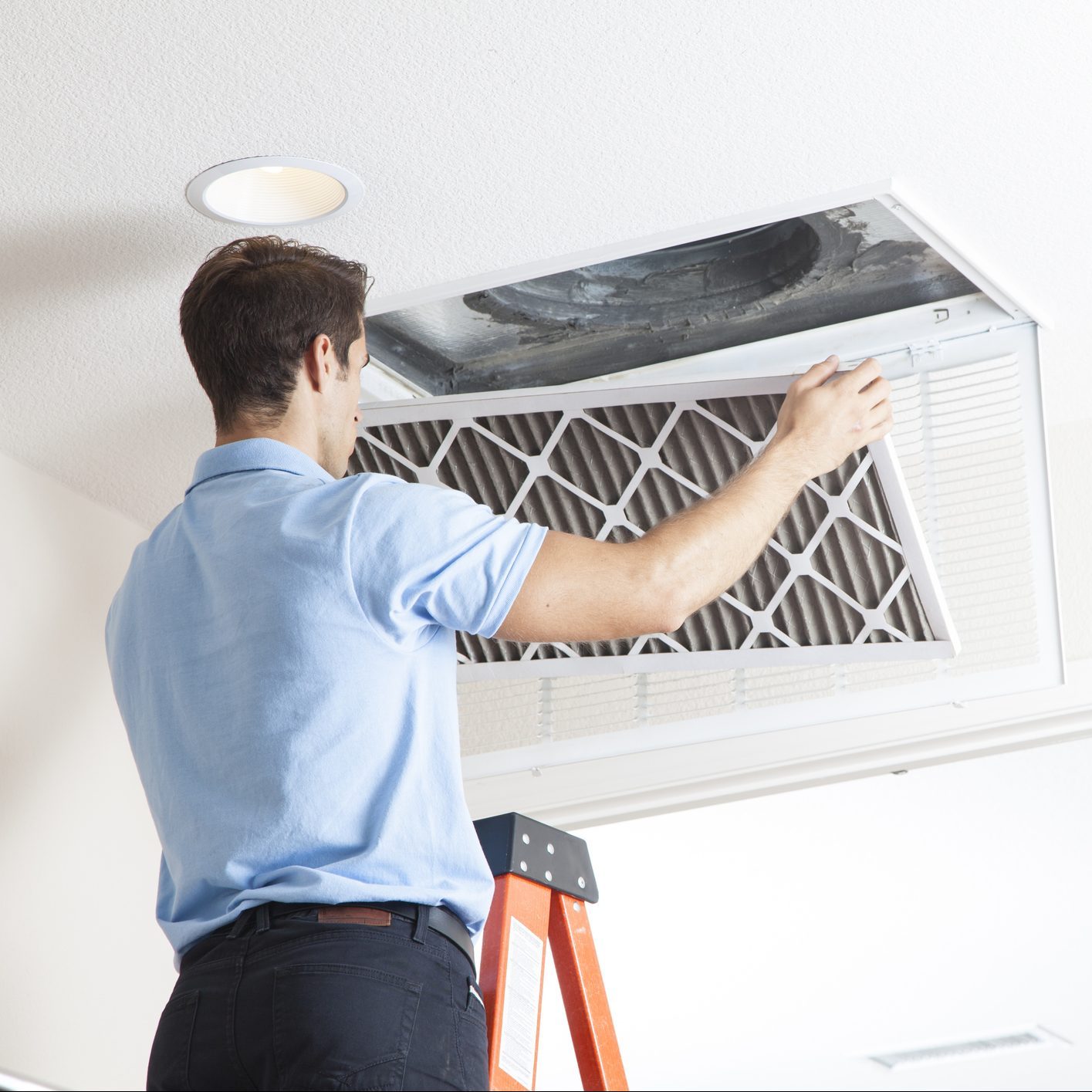
Credit: www.familyhandyman.com
Signs You Need A New Ac
Frequent breakdownsof your air conditioner can signal it’s time for a replacement. Constant repairs cost money and cause frustration.
Rising energy billsmay mean your AC is losing efficiency. Older units use more power to cool the same space, increasing costs.
Inconsistent coolinghappens when some rooms feel hot while others stay cool. This uneven cooling shows your AC is failing.
Unusual noiseslike rattling, banging, or squealing are warning signs. These sounds suggest parts are worn out or damaged.
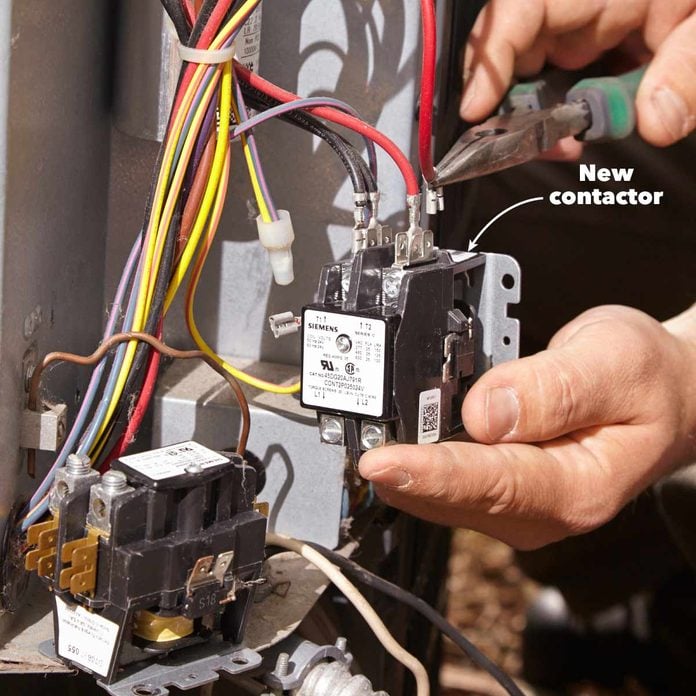
Credit: www.familyhandyman.com
Choosing The Right Air Conditioner
There are many kinds of air conditioners. Window units fit in windows. They cool one room. Portable units can move around. They are easy to use. Split systems have two parts. One inside, one outside. They cool more space. Central air cools the whole house. It is very strong. Each type has its own use.
Pick the right size for your space. A small unit will not cool well. A big unit wastes energy. Measure your room first. Check the BTU rating. BTU tells how much air it cools. Bigger rooms need more BTUs. Smaller rooms need less. Choose wisely for comfort.
Look for the energy star label. It shows the unit saves power. High ratings mean low bills. SEER ratings are also important. A higher SEER number is better. It saves more energy. This helps the planet too.
Think about your budget. Some units cost more. But they save energy. Check for sales or discounts. You might find a good deal. Add in installation costs too. Plan your money carefully.
Preparing For Replacement
Gathering the right tools and materialsmakes the job easier. Common tools include a screwdriver, wrench, and pliers. Materials like new filters, sealant, and insulation help ensure proper installation. Check the air conditioner modelto get the correct parts.
Always follow safety precautions. Wear gloves and safety glasses to protect yourself. Avoid touching sharp edges or electrical components. Keep the work area clean and dry to prevent accidents.
Before starting, turn off the power supply. Locate the circuit breaker and switch off power to the air conditioner. Use a voltage tester to confirm no electricity is flowing. This step keeps you safe from electric shocks.
Removing The Old Air Conditioner
Turn off power to the air conditioner at the main breaker. This ensures safety while working with electrical wiring. Remove the panel covering the wires and carefully disconnect them. Label wires to make reconnection easier later.
Next, detach the refrigerant linesconnecting the unit to the house. These lines carry coolant and must be handled with care. Use proper tools to avoid damage or leaks. It is often best to have a certified technician handle refrigerant removal.
Once wiring and refrigerant lines are disconnected, the unit can be removed. Air conditioners are heavy, so get help if needed. Lift the unit carefully and place it on a sturdy surface. Dispose of the old unit according to local rules.
Installing The New Air Conditioner
Place the new air conditioner on a flat, sturdy surface. Make sure it fits well in the space. Align it so air flows freely without blockages. Use a level to check the position. Adjust as needed for balance.
Attach the refrigerant lines carefully. Avoid kinks or sharp bends in the tubing. Secure the lines to prevent leaks. Use proper tools for tight connections. Check for damage or wear before connecting.
Connect the electrical wires following the unit’s manual. Turn off power at the breaker first. Match wire colors correctly to avoid shorts. Tighten all connections securely. Use wire nuts or terminal blocks as required.
Seal gaps around the unit with weatherproof materials. Use foam or caulk to fill spaces. This keeps air and moisture out. Add insulation around refrigerant lines if needed. Proper sealing improves energy efficiency.
Testing And Final Checks
Power on the air conditioner carefully. Listen for unusual sounds. The system should start smoothly without any strange noises.
Check for leaks around the pipes and connections. Use a soapy water solution to spot bubbles. Bubbles mean there is a leak that needs fixing.
| Check | What to Look For | Action Needed |
|---|---|---|
| Power On | System starts without noise | Normal operation |
| Leaks | Bubbles at connections | Tighten or replace fittings |
| Cooling Performance | Cold air from vents | System works properly |
Feel the air from vents. It should be cool and strong. Weak airflow or warm air means a problem.
Maintenance Tips For Longevity
Regular filter cleaningkeeps the air flowing well. Dirty filters block air and make the system work hard. Clean filters every 1-3 months to avoid this. It helps the air conditioner last longer and cool better.
Scheduling professional inspectionsfinds small problems early. Experts check parts and clean hard spots. They keep the system safe and running smooth. Plan a check-up once a year or before summer starts.
Monitoring system performanceshows if something is wrong. Watch for strange noises, weak airflow, or bad smells. These signs help catch issues fast. Fix problems early to save money and avoid big repairs.

Credit: aquariushomeservices.com
Frequently Asked Questions
How Often Should I Replace My Air Conditioner?
You should replace your air conditioner every 10-15 years. Older units lose efficiency and increase energy costs. Regular maintenance helps, but replacement is best when repairs become frequent or costly.
What Tools Are Needed To Replace An Air Conditioner?
You need screwdrivers, a wrench set, a voltage tester, pipe cutters, and refrigerant recovery equipment. Safety gear like gloves and goggles is essential. Proper tools ensure a smooth, safe replacement process.
Can I Replace An Air Conditioner Myself?
Yes, if you have HVAC experience and proper tools. However, working with refrigerants requires certification. For safety and warranty reasons, hiring a professional is often recommended.
How Do I Choose The Right Air Conditioner Size?
Measure your room size in square feet. Use a BTU calculator to find the cooling capacity needed. Oversized or undersized units waste energy and reduce comfort.
Conclusion
Replacing an air conditioner can save money and improve comfort. Follow the steps carefully for a smooth process. Always check the unit size and power needs. Safety matters—turn off electricity before starting work. Taking your time helps avoid mistakes and damage.
With patience, you can finish the job well. A new air conditioner keeps your home cool and fresh. Simple tools and clear instructions make the task easier. Trust yourself to handle this project step by step.