Wondering how many watts your air conditioner needs to keep your space cool and comfortable? You’re not alone.
Choosing the right wattage is key to saving energy, cutting costs, and avoiding those annoying power trips. You’ll discover exactly how to figure out the perfect wattage for your AC, so you can stay cool without wasting money or energy.
Keep reading—you’ll be surprised how simple it is to make the best choice for your home or office.
Air Conditioner Power Basics
Wattsshow how much electric poweran air conditioner uses. A higher watt value means the AC uses more electricity. This affects your energy bills. Watts also relate to how strong the AC is at cooling. More watts usually mean a stronger unit.
BTUstands for British Thermal Unit. It measures the cooling powerof an AC. The higher the BTU, the cooler the air conditioner can make a room.
| BTU | Watts (Approx.) | Use |
|---|---|---|
| 5,000 – 6,000 | 500 – 600 | Small rooms (100-250 sq. ft.) |
| 8,000 – 10,000 | 800 – 1,000 | Medium rooms (300-450 sq. ft.) |
| 12,000 – 14,000 | 1,200 – 1,400 | Large rooms (550-700 sq. ft.) |

Credit: aurorasolar.com
Factors Affecting Ac Power Needs
Room size is key for AC power needs. Bigger rooms need more power. A small room might need less power. The layout also matters. An open layout might spread cool air better. Consider room shape too. A square room cools differently than a long room.
Good insulation keeps rooms cooler. Less power is needed if insulation is strong. Windows can affect cooling. Single-pane windows might lose cool air. Double-pane windows keep cool air in better. Curtains and blinds help too. They block sun and heat.
Hotter climates need more AC power. Cooler areas need less power. Seasonal changes affect power too. Summer might need more cooling than spring. Consider average temperatures. High temperatures mean more AC use.
How often you use the AC matters. If used all day, it needs more power. If only in evenings, less power is needed. Consider peak usage times. These times affect power needs. Family size also matters. More people might mean more cooling needed.
Calculating Required Ac Watts
Calculating the right AC wattagehelps keep rooms cool without wasting energy. Start by measuring the room sizein square feet. Multiply the room’s length by width to get this number.
Use this simple formula to estimate the needed watts:
| Room Size (sq ft) | Approximate AC Watts |
|---|---|
| 100-150 | 5,000-6,000 |
| 150-250 | 6,000-8,000 |
| 250-350 | 8,000-10,000 |
Adjust watts based on sunlight and number of occupants. Rooms with strong sun need more power. More people produce heat, so add extra watts per person.
- Add about 10% more watts for sunny rooms.
- Add 600 watts for each extra person beyond two.
Online calculators can also help. They ask for room size, sunlight, and occupants. These tools give a quick and easy watt estimate.

Credit: hvac-temecula-murrieta.com
Different Types Of Air Conditioners
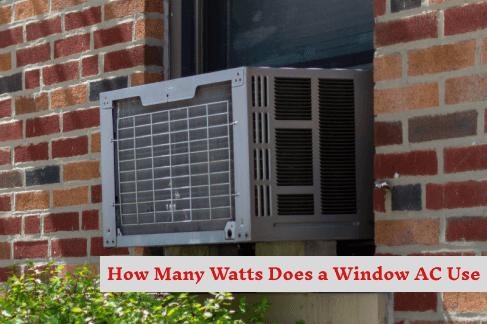
Window unitsusually use between 500 to 1500 watts. Smaller models are good for cooling one room only. Bigger window units use more power but cool larger spaces well.
Split systemshave two parts: an indoor and an outdoor unit. They use about 1000 to 3000 watts. These systems are quieter and cool rooms evenly.
Portable ACsare easy to move. They use around 800 to 1500 watts. Good for spot cooling or small rooms. They need a window or vent to work well.
Central air conditioningcools whole houses. They use much more power, about 2000 to 5000 watts. The exact use depends on house size and system efficiency.
Energy Efficiency And Power Consumption
EER(Energy Efficiency Ratio) and SEER(Seasonal Energy Efficiency Ratio) show how well an air conditioner uses energy. Higher ratings mean the unit uses less power for cooling. SEER is more common for newer models and reflects efficiency over a season.
Air conditioners use watts to run, and higher wattage means more energy used. This can lead to higher electricity bills. Knowing the wattage helps estimate your cost. For example, a 1000-watt unit running for 5 hours uses 5 kWh.
- Close doors and windows to keep cool air in.
- Use fans to help circulate air.
- Set thermostat to 78°F (25°C) for good comfort and savings.
- Clean or replace filters regularly for better efficiency.
- Turn off the AC when no one is home.
Credit: www.renogy.com
Choosing The Right Ac Wattage
Choosing the right AC wattageis key for comfort and savings. Too many watts mean higher energy billsand wasted power. Too few watts can’t cool your space well.
Oversized unitsturn on and off often. This wastes energy and wears out the AC faster. Smaller rooms need less power. Big rooms need more watts for good cooling.
Balance is important. Pick an AC that matches room sizeand insulation. Check the British Thermal Units (BTU)or watts to find the right fit.
Experts use special tools and formulas. They look at room size, sunlight, and more. This helps find the best power and efficiencyfor your home.
Common Misconceptions About Ac Power
Many think more watts always mean better cooling. This is not true. Watts show power use, not cooling strength. Cooling depends on BTU ratingand unit efficiency. High wattage might waste energy without better cooling.
Some believe low wattage units can cool big rooms. Small units often fail in large spaces. They struggle to keep temperature low. Choose unit size based on room areaand insulation quality.
Ignoring insulation can cause poor cooling. Poor insulation lets heat in, cold out. This makes AC work harder and use more power. Good insulation saves energy and improves comfort.
Future Trends In Ac Power Usage
Smart air conditioners use sensors to adjust cooling and save energy. They learn your habits and cool only when needed. This helps reduce power consumptionsignificantly.
Renewable energy, like solar and wind, is used more with air conditioners. Homes can run AC units using clean energy. This lowers electric billsand protects the environment.
New technologies improve energy efficiency in ACs. For example, inverter compressors use less power by running at variable speeds. These advances help cool homes faster and use less electricity.
Frequently Asked Questions
How Many Watts Does A Typical Air Conditioner Use?
A typical air conditioner uses between 500 to 1500 watts. The exact wattage depends on the unit’s size and efficiency. Larger units or older models consume more power. Modern energy-efficient models use less electricity, saving you money.
What Wattage Is Needed For A Small Room Ac?
A small room AC usually requires 500 to 800 watts. This is enough to cool rooms up to 150 square feet. Choosing the right wattage ensures efficient cooling without wasting energy or increasing your electricity bill.
How To Calculate Watts For An Air Conditioner?
Calculate watts by multiplying BTU rating by 0. 293. For example, a 10,000 BTU AC uses about 2930 watts. This method helps determine power needs based on cooling capacity. Always check the unit’s specifications for exact wattage.
Does Higher Wattage Mean Better Air Conditioner Performance?
Not always. Higher wattage means more power consumption, but not necessarily better performance. Efficiency depends on the AC’s design and SEER rating. A well-designed unit with lower wattage can cool better and save energy.
Conclusion
Choosing the right air conditioner wattage saves energy and money. A unit that fits your room size cools better and runs efficiently. Too high wattage wastes power, and too low won’t cool enough. Check your room’s square footage before buying.
Always consider insulation and sunlight in your space. This helps pick the perfect wattage for comfort. Small steps like these make a big difference in your home. Stay cool without paying more. Simple and smart choices keep your air conditioner running well.