Have you ever wondered if the exhaust from your air conditioner could be harmful to you or your family? You rely on your AC to keep your home cool and comfortable, but what if the very air it blows out carries hidden risks?
Understanding what exactly comes out of your air conditioner and whether it poses any danger is important for your health and safety. Keep reading to uncover the truth about AC exhaust and learn how you can protect yourself and your loved ones.
How Air Conditioners Work
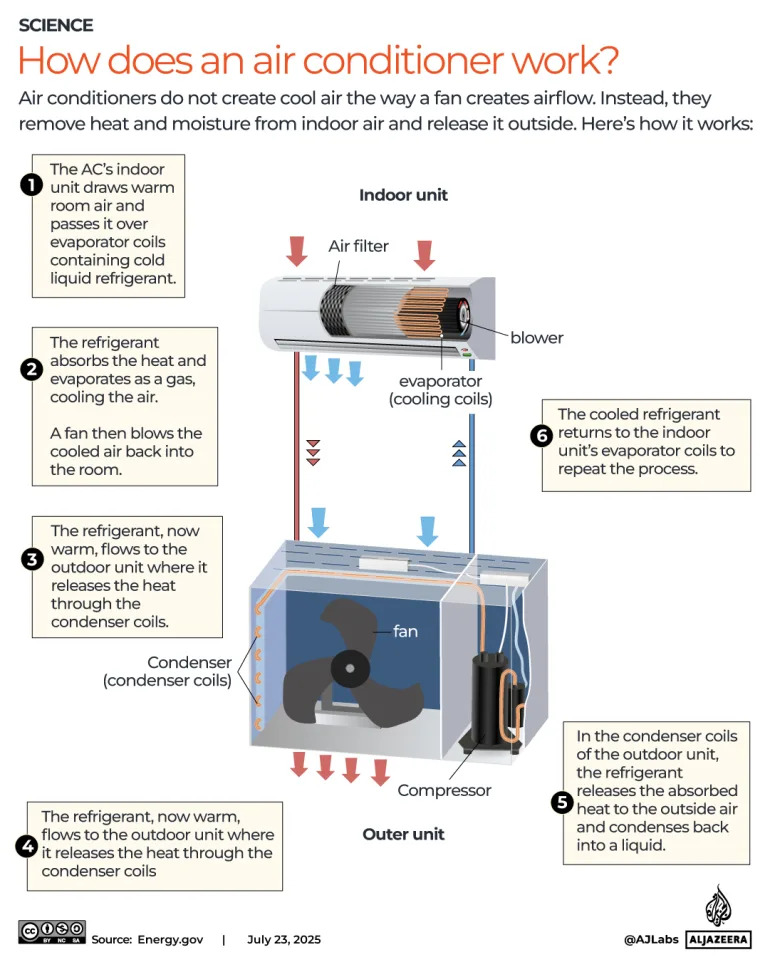
Air conditioners work by moving heat from inside a room to the outside. The basic cooling cyclestarts with a special liquid called a refrigerant. This liquid absorbs heat from the indoor air.
The role of refrigerantsis to carry heat through the system. They change from liquid to gas and back again. This change helps move heat away from your home.
The heat exchange processhappens in two main parts: the evaporator and the condenser. Inside, the refrigerant absorbs heat and turns into gas. Outside, it releases heat and turns back into liquid. This cycle keeps repeating to cool your space.
What Comes Out Of An Ac Unit
Air conditioners produce condensate water. This is normal and not harmful. The water forms when warm air cools. It drips outside the unit. This water is clean. It can be used for plants. It does not contain any chemicals. It’s just like rainwater.
The air from an AC is cool and dry. It helps to remove heat from rooms. This air is safe to breathe. It does not contain smoke or fumes. The air may have some dust, though. A filter can catch most of it. Clean filters often for better air.
Refrigerant is a special gas in AC units. It helps cool the air. If it leaks, it can be dangerous. Leaks are rare but need attention. Call a professional if you suspect a leak. It can harm the environment. Always handle refrigerants carefully.
Common Myths About Ac Exhaust
AC exhaustis mostly warm air and some moisture. It is not toxiclike smoke or chemicals. The gases inside the AC are sealed and do not mix with the exhaust air. This means the air coming out is safe and clean.
AC exhaust does not spread viruses. Viruses spread mostly through close contact and coughing. The exhaust air moves away quickly and does not carry viruses far. So, breathing near an AC exhaust is not dangerous.
There is no strong proof that AC exhaust can cause respiratory issues. Poor indoor air quality can cause problems, but the exhaust air itself is not harmful. Regular maintenance of AC keeps the air fresh and safe.

Credit: www.reddit.com
Scientific Facts On Ac Exhaust Safety
Air conditioners release hot air and sometimes small amounts of refrigerant. Studies show air quality near AC units is usually safe. Most units use sealed systems to keep refrigerants inside. Small leaks can happen but are rare.
Refrigerants can harm the environment if released in large amounts. Some types are linked to ozone layer damage. Modern ACs use safer refrigerants with less impact.
| Health Risk | Level of Concern |
|---|---|
| Exposure to refrigerant leaks | Low if units are well maintained |
| Hot air exhaust | Not harmful to health |
| Indoor air pollution from AC | Depends on filter cleaning and ventilation |
Preventing Potential Risks
Regular maintenance keeps the air conditioner running safely and well. Clean or replace filters often to stop dust build-up. Check the unit for any strange noises or smells. These can signal problems early.
Refrigerant leaks can be harmful. Watch for oily spots or frost on pipes. These signs suggest leaks that need fixing fast. Use a professional to find and repair leaks safely.
- Keep rooms well-ventilated to avoid bad air buildup.
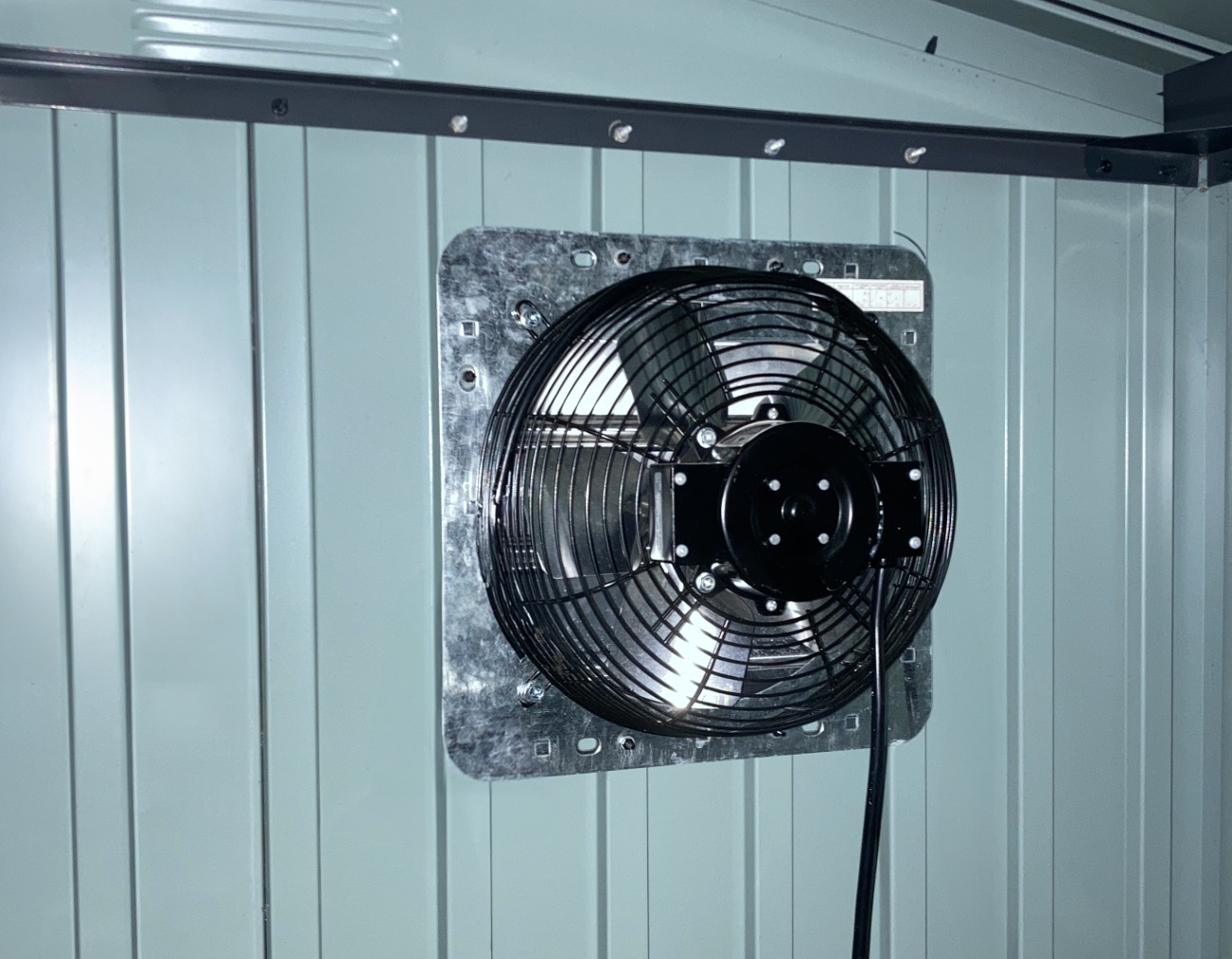
- Open windows or use exhaust fans during AC use.
- Ensure outdoor unit is clear of debris and airflow is smooth.
- Do not block vents inside or outside the house.

Credit: fischerheating.com
Environmental Impact Of Ac Exhaust
Air conditioners use refrigerantsthat can harm the environment. Some refrigerants trap heat in the air, causing global warming. Leaking refrigerants add to this problem.
Energy consumptionby air conditioners is high. This means more power is used, often from burning fossil fuels. Burning fuels releases carbon dioxide, a gas that warms the planet.
- Sustainable coolingoptions include fans and natural ventilation.
- Solar-powered air conditioners reduce energy use.
- Using newer AC models with eco-friendly refrigerants helps lower impact.
Credit: hotkilns.com
Frequently Asked Questions
Is Air Conditioner Exhaust Harmful To Health?
No, air conditioner exhaust is not harmful. It releases warm air, not toxic gases, ensuring safe indoor and outdoor environments.
What Does An Air Conditioner Exhaust Contain?
The exhaust mainly contains warm air from indoors. It does not emit pollutants or dangerous chemicals, making it safe for surrounding areas.
Can Ac Exhaust Increase Indoor Pollution?
No, AC exhaust does not increase indoor pollution. It expels warm air outside, helping maintain better indoor air quality and comfort.
Does Air Conditioner Exhaust Contribute To Outdoor Pollution?
AC exhaust releases warm air, which does not contain pollutants. It has minimal impact on outdoor air quality and does not cause pollution.
Conclusion
Air conditioner exhaust usually contains safe, cool air. It does not release harmful gases like car exhaust. Proper installation helps keep your home air clean. Regular maintenance prevents any issues with the unit. Always ensure the exhaust vents outside your living space.
This way, fresh air stays inside, and heat goes out. Stay aware, but no need to worry about danger. Keep your AC well cared for healthy air all year.