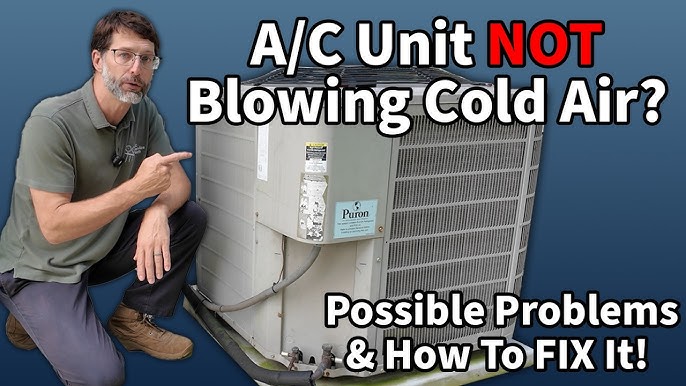
Is your air conditioner running but not cooling your home like it used to? You’re not alone, and it can be incredibly frustrating when the heat keeps creeping in despite your efforts.
Imagine coming home after a long day, expecting a cool breeze, only to be met with warm, stuffy air. This isn’t just uncomfortable—it can affect your sleep, your mood, and even your energy bills. But don’t worry, you’re in the right place.
You’ll discover the simple reasons why your AC might not be cooling properly and what you can do to fix it quickly. Keep reading to regain control over your comfort and beat the heat for good.
Common Reasons Ac Fails To Cool
Dirty air filtersblock airflow. This makes cooling less effective and strains the AC unit. Cleaning or replacing filters helps air flow freely.
Refrigerant leaksreduce the cooling power. Without enough refrigerant, the AC cannot cool the air properly. A professional should fix leaks and refill refrigerant.
Faulty thermostatcan give wrong temperature readings. The AC may stop cooling or run too long. Testing and replacing the thermostat can solve this issue.
Blocked condenser unitstops heat from escaping. Dirt, leaves, or debris around the condenser can cause this. Cleaning the unit keeps it working well.
Frozen evaporator coilshappen when airflow is low or refrigerant is low. Ice blocks cooling and air movement. Turning off the AC and thawing the coils helps.

Credit: veteranshvac.com
Simple Troubleshooting Steps
Check the thermostat settings to ensure they are set to cool. Clear any debris around the outdoor unit for better airflow. Replace or clean the air filter to help the system work efficiently.
Check And Replace Filters
Dirty filters block air. Clean or replace filters if needed. Good airflow helps cooling. Check filters every month. This keeps your air conditioner working well.
Reset The Thermostat
Sometimes thermostats get set wrong. Check settings and set to cool. Lower the temperature. This might fix the cooling issue.
Clear Debris Around Unit
Leaves and dirt can block the unit. Clear debris around it. This allows proper air movement. Better airflow means better cooling.
Inspect Air Vents
Blocked vents stop cool air. Check and open all vents. Make sure nothing blocks them. This helps air spread in the room.
Ensure Proper Power Supply
Make sure the unit has power. Check the power cord and plug. Also, check the circuit breaker. If tripped, switch it back on.
Quick Fixes You Can Try
Condenser coilsneed to be clean for good cooling. Dirt blocks airflow and lowers efficiency. Use a soft brush or hose to remove dust. Turn off power before cleaning.
Evaporator coilscan freeze if airflow is low. Switch off the AC to let coils thaw. Check filters and vents for blockages to avoid refreezing.
Set the thermostatto a cooler temperature. Make sure it is on “cool” mode, not “fan” or “heat.” Check batteries if using a remote thermostat.
Fanshelp move air around the room. Use ceiling or portable fans to spread cool air. This helps the AC cool the space faster and better.

Credit: hvaccarync.com
When To Call A Professional
Persistent cooling issuescan signal a deeper problem. A professional can find the exact cause fast. This avoids wasting money on parts that don’t fix the issue.
Refrigerant recharge needsoften require expert handling. Too little or too much refrigerant stops cooling. Professionals safely check and refill refrigerant levels.
Electrical problemslike faulty wiring or blown fuses are tricky. These issues can cause the unit to stop working or cool poorly. A trained technician can test and fix electrical faults.
Compressor malfunctionsare serious. The compressor is the heart of the air conditioner. If it fails, cooling stops. Only a professional should repair or replace compressors due to complexity and safety.
Preventive Tips To Keep Ac Cooling Efficient
Regular maintenancekeeps your AC running cool and smooth. Change filters every 1-3 months to avoid dust build-up. Clean coils and fins to improve airflow and cool air delivery.
Clear the area around the unit. Remove leaves, dirt, and debris to help air flow freely. Give your AC space to breathe.
Check if the thermostat reads correctly. A faulty thermostat can cause wrong temperature settings. Use a thermometer to compare the room temperature and thermostat reading.
Seal leaks in your ductwork. Leaks let cold air escape and warm air enter. Use mastic sealant or metal tape to close gaps. This helps keep cool air inside your home.

Credit: supersavvy.in
Frequently Asked Questions
Why Is My Air Conditioner Not Cooling The Room?
Your air conditioner may not cool due to dirty filters, low refrigerant, or blocked vents. Check and clean filters regularly. Also, ensure vents are open and unobstructed for proper airflow.
How Can I Fix An Air Conditioner That’s Not Cooling?
Start by cleaning or replacing the air filter. Check thermostat settings and ensure the outdoor unit is clean. If problems persist, low refrigerant or compressor issues may need a professional’s help.
Can A Dirty Air Filter Cause Ac Not To Cool?
Yes, a dirty air filter restricts airflow, making cooling less effective. Regularly cleaning or replacing filters helps maintain efficient AC performance and improves indoor air quality.
Does Low Refrigerant Affect Ac Cooling Performance?
Low refrigerant reduces cooling capacity and causes the AC to blow warm air. It often indicates a leak, which requires a certified technician for repair and recharge.
Conclusion
A not cooling air conditioner can cause real discomfort. Check the filter, thermostat, and power supply first. Clean or replace dirty filters to help airflow. Set the thermostat to a cooler setting carefully. Make sure the outdoor unit is clear of debris.
Sometimes, simple fixes solve the problem quickly. For ongoing issues, a professional technician can help. Staying cool matters, especially in hot weather. Taking action early prevents bigger, costly repairs later. Keep your home comfortable by caring for your AC regularly.