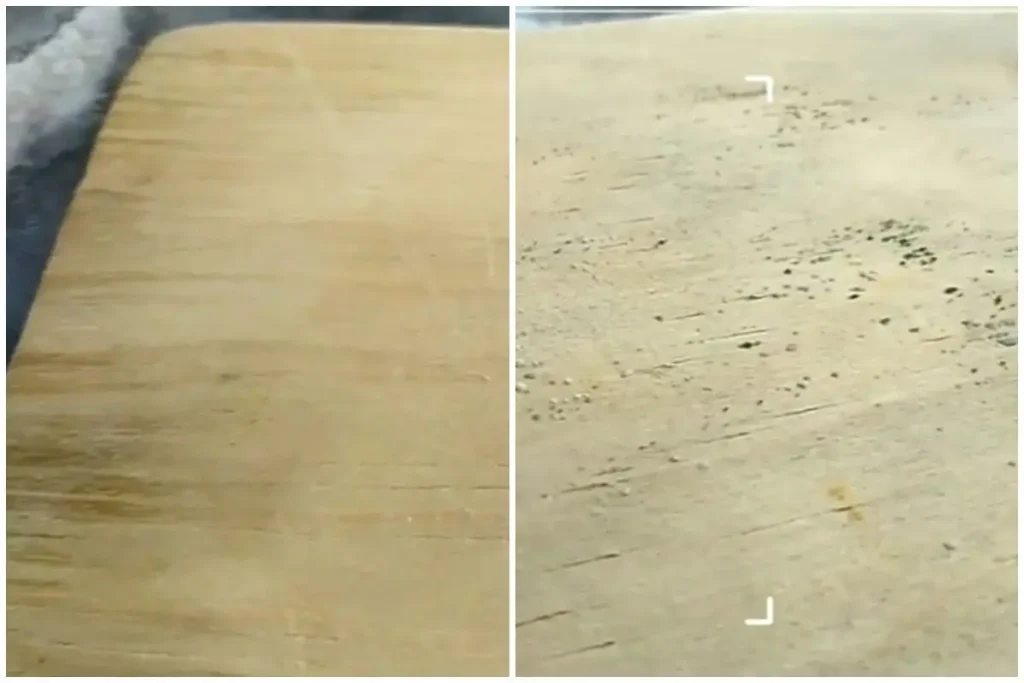
Have you noticed a stubborn patch of mold growing on your wooden cutting board? It’s not just unpleasant to look at—it can also be harmful to your health and ruin your kitchen tools.
But don’t worry, getting mold out of your wood cutting board is easier than you think. In this guide, you’ll discover simple, effective steps to clean and restore your board, keeping it safe and ready for your next meal prep.
Keep reading to learn how to protect your kitchen and say goodbye to mold for good.
Signs Of Mold On Wood Boards
Mold can grow on wood cutting boards if they stay damp. It can cause health problems and damage the wood.
Knowing the signs of mold helps you clean the board quickly and keep it safe for use.
Visual Indicators
Mold often looks like spots or patches on the wood surface. These can be white, black, green, or gray.
Check the edges and grooves where moisture stays longer. Mold may appear fuzzy or slimy.
- White or gray fuzzy patches
- Black or green spots
- Dark stains on the wood
- Discolored or faded areas
Smell And Texture Changes
Mold can cause a musty or damp odor on the wood. This smell is often strong and unpleasant.
The wood may feel slimy, sticky, or rough where mold grows. It can also feel softer or weaker than normal.
- Musty or sour smell
- Sticky or slimy surface
- Rough or uneven texture
- Soft or weakened wood spots

Credit: qlycheecrafts.com
Safety Precautions Before Cleaning
Cleaning a wood cutting board with mold requires care. Safety is important to prevent harm.
Use the right gear and ensure good ventilation before you start cleaning.
Protective Gear To Use
Wearing protective gear keeps you safe from mold exposure. Here are some items to consider.
- Wear rubber gloves to protect your hands.
- Use a mask to avoid breathing in mold spores.
- Safety goggles keep your eyes safe from splashes.
Ventilation Tips
Proper ventilation helps reduce mold exposure. Follow these tips for better air flow.
Use a fan to direct the airflow outside. This will help to remove any airborne mold spores.
Ensure the area is well-lit. Good lighting helps you see the mold clearly and clean effectively.
Cleaning Solutions For Mold Removal
Mold on wood cutting boards can cause health problems. It is important to clean it properly.
Several natural cleaning solutions can help remove mold safely and effectively.
Vinegar And Baking Soda
White vinegar kills mold and bacteria on wood surfaces. Baking soda helps scrub away mold and deodorizes the board.
- Spray white vinegar on the moldy area and let it sit for 10 minutes.
- Sprinkle baking soda over the vinegar-treated surface.
- Use a scrub brush or sponge to scrub the board gently.
- Rinse the board well with warm water.
- Dry the board completely in the sun or air dry.
Hydrogen Peroxide
Hydrogen peroxide is a natural disinfectant that can remove mold stains and spores.
| How to Use | Notes |
|---|---|
| Pour 3% hydrogen peroxide on the moldy area | Let it bubble for 10 minutes |
| Scrub gently with a soft brush | Do not use on very old or cracked wood |
| Rinse with water | Dry fully after cleaning |
Lemon And Salt
Lemon juice is acidic and kills mold. Salt works as a mild abrasive to remove mold physically.
- Cut a lemon in half and squeeze juice over the moldy spot.
- Sprinkle coarse salt on the lemon juice.
- Rub the mixture into the wood with the lemon half.
- Leave it for 5 minutes to work on the mold.
- Rinse the board with warm water and dry well.
Step-by-step Cleaning Process
Mold on wood cutting boards can be harmful. Cleaning it properly keeps your board safe and fresh.
Follow these steps to remove mold and protect your wood cutting board.
Initial Scrubbing
Start by scrubbing the board with a stiff brush. Use warm water to soften the mold.
Scrub all surfaces well, including edges and grooves where mold hides.
Applying Cleaning Agents
Use natural cleaning agents like white vinegar or lemon juice. They kill mold without harming wood.
- Pour vinegar or lemon juice on the moldy spots.
- Let it sit for 5 to 10 minutes to work effectively.
- Rub the surface again with the brush to remove mold.
Rinsing And Drying
Rinse the board well with warm water to remove all cleaning agents and loosened mold.
Dry the board completely by standing it upright in a well-ventilated area. Avoid leaving it wet.
Preventing Mold Growth
Mold can damage your wood cutting board and cause health issues. Keeping it dry and clean stops mold from growing.
Use simple steps to protect your board and keep it safe for food use.
Proper Drying Techniques
Dry your cutting board quickly after washing. Water left on wood invites mold and bacteria.
- Pat the board dry with a clean towel right after washing.
- Stand the board upright to let air flow on both sides.
- Avoid stacking boards while wet to prevent trapped moisture.
- Use a fan or place it near a window to speed drying if needed.
Storage Tips
Store your wood cutting board in a dry place. Proper storage stops mold spores from settling on it.
| Storage Method | Why It Helps |
| Keep board upright | Air circulates, dries wood evenly |
| Avoid plastic wrap | Traps moisture, causes mold |
| Store in cool, dry spot | Reduces humidity around board |
| Use a wooden rack | Prevents contact with damp surfaces |
Regular Maintenance
Clean and treat your cutting board regularly. This keeps mold away and extends board life.
Use these tips for regular care:
- Clean with mild soap and warm water after each use.
- Apply food-safe mineral oil weekly to seal and protect wood.
- Scrub with coarse salt and lemon to remove stains and odors.
- Inspect the board often for cracks or deep cuts where mold can hide.

Credit: www.reddit.com
When To Replace Your Cutting Board
Wood cutting boards can develop mold if not cleaned well. Sometimes, cleaning is not enough. You may need to replace your board for safety.
Knowing when to replace your cutting board helps avoid health risks. It also keeps your kitchen clean and safe.
Severe Damage Signs
Check your cutting board for deep cracks or large cuts. Mold can hide in these damaged areas and be hard to clean.
If the board is warped or has broken pieces, it is time to replace it. These damages make the board unsafe to use.
- Deep cracks or splits
- Large gouges or cuts
- Warped or bent board
- Loose or broken parts
Health Considerations
Mold on a cutting board can cause allergies and infections. If mold returns after cleaning, replace the board to protect your health.
Also, if the wood smells bad or stains deeply, it may hold bacteria. Using a new cutting board reduces health risks.
- Persistent mold growth after cleaning
- Strong, unpleasant odors
- Deep stains that do not fade
- Signs of bacteria or decay

Credit: www.reddit.com
Frequently Asked Questions
How To Remove Mold From A Wood Cutting Board?
Clean the board with white vinegar or hydrogen peroxide. Scrub gently with a brush. Rinse well and dry completely in sunlight to prevent mold regrowth.
Is Baking Soda Effective Against Mold On Wood Boards?
Yes, baking soda helps absorb moisture and scrub off mold. Make a paste with water, apply, scrub gently, then rinse and dry the board thoroughly.
Can I Use Bleach To Clean Mold On Wood Cutting Boards?
Bleach is not recommended as it can damage wood. Use natural cleaners like vinegar or hydrogen peroxide instead for safe, effective mold removal.
How To Prevent Mold Growth On Wood Cutting Boards?
Dry your board immediately after washing. Store it in a dry, ventilated area. Regularly oil the wood to maintain its moisture balance and prevent mold.
Conclusion
Cleaning mold from a wood cutting board is simple and important. Act quickly to stop mold from spreading. Use natural cleaners like vinegar and baking soda to keep it safe. Always dry the board well after washing. Store it in a dry place to avoid future mold.
Regular care helps your board last longer. A clean cutting board keeps your food safe and healthy. Remember, small steps make a big difference in kitchen hygiene. Keep your cutting board mold-free with these easy tips.