
Have you ever wondered if your window air conditioner should be tilted? It’s a simple question, but the answer can make a big difference in how well your unit works.
If your AC isn’t draining properly or if you notice water leaking inside your room, the tilt angle might be the hidden cause. Understanding the right way to position your window air conditioner can save you from costly repairs and keep your home cool and comfortable.
Keep reading to find out exactly how your unit should be installed and why it matters to your comfort and your wallet.
Purpose Of Window Ac Tilt
Tilting a window air conditioner helps it work properly. The tilt angle affects how water drains and prevents leaks.
Installing the unit with the right tilt keeps your room dry and the air conditioner efficient.
Preventing Water Leakage
A window AC collects moisture from the air. This water must drain outside. If the unit is not tilted correctly, water can leak inside your room.
- Tilt the AC slightly downward on the outside.
- This slope directs water away from your home.
- It stops water from dripping inside and causing damage.
Ensuring Proper Drainage
The drain pan collects water inside the AC. A proper tilt helps water flow smoothly to the drain hole.
| AC Position | Effect on Drainage |
| Level or tilted inward | Water may pool and leak inside |
| Tilted slightly outward | Water drains properly outside |
| Excessive tilt | May cause unit instability |
Manufacturer Recommendations
Window air conditioners are common in many homes. Proper installation is crucial for efficiency.
Manufacturers often provide guidelines for the correct tilt of the unit. It’s important to follow these to ensure optimal performance.
Typical Installation Guidelines
Most manufacturers suggest a slight tilt for window air conditioners. This helps in proper drainage of condensation.
- Check the manufacturer’s manual for specific tilt angles.
- Ensure the back of the unit is slightly lower than the front.
- Use a level tool to measure the tilt during installation.
Variations Among Brands
Different brands may have unique installation guidelines. It’s essential to read the specific manual that comes with your unit.
For instance, Brand A recommends a tilt of 1 inch, while Brand B suggests 1.5 inches.
| Brand | Recommended Tilt |
| Brand A | 1 inch |
| Brand B | 1.5 inches |
| Brand C | 0.5 inch |
Correct Tilt Angle
Window air conditioners often need a slight tilt to work well. The tilt helps water drain outside properly.
If the angle is wrong, the unit may leak or not cool well. Knowing the right tilt angle is important.
Ideal Degree Of Tilt
The ideal tilt angle for a window air conditioner is very small. Usually, it should tilt slightly downward to the outside.
A tilt of about 1/4 inch to 1/2 inch per foot is best. This means the outside part is a little lower than the inside part.
- Tilt angle: 1/4 to 1/2 inch drop per foot
- Outside edge lower than inside edge
- Ensures proper water drainage
Effects Of Over-tilting Or Under-tilting
Over-tilting means the air conditioner leans too much outside. This can cause water to leak inside.
Under-tilting means the unit is too flat or tilts inward. This stops water from draining properly.
- Over-tilting may cause water leaks indoors
- Under-tilting blocks water drainage
- Both reduce cooling efficiency
- May damage the unit over time

Credit: www.reddit.com
Consequences Of Improper Tilt
Tilt is important for window air conditioners to work well. Incorrect tilt can cause problems with the unit. It can lead to damage and poor cooling.
Understanding the risks helps keep your air conditioner safe and efficient. Here are key problems from wrong tilt angles.
Water Damage Risks
Window air conditioners drain water to the outside. If tilted wrong, water can leak inside your home. This causes damage to walls and floors.
Water leaks can also cause mold growth. Mold hurts your health and can be costly to remove.
Reduced Cooling Efficiency
Improper tilt can block water drainage and harm the cooling parts. This makes the air conditioner cool less effectively. Your room may stay warm.
Blocked drainage or extra moisture lowers the unit’s ability to remove heat. The air conditioner works harder but cools less.
Increased Energy Consumption
When your air conditioner works harder due to poor tilt, it uses more electricity. This raises your energy bills.
Extra energy use also shortens the unit’s lifespan. It may break down sooner and need repairs.
Installation Tips For Optimal Tilt
Installing a window air conditioner with the right tilt helps it drain water properly. This keeps your unit working well and prevents leaks inside your home.
Follow the tips below to set your air conditioner at the correct angle. Use the right tools and adjust carefully for best results.
Tools And Materials Needed
Gathering the correct tools makes installation easier and safer. Having everything ready helps you work without interruptions.
- Screwdriver (flathead and Phillips)
- Level tool
- Measuring tape
- Foam insulation strips
- Support brackets or braces
- Sealant or weatherstripping
- Protective gloves
Step-by-step Adjustment Process
Adjusting your air conditioner’s tilt requires care. Follow these steps to make sure the unit drains water out the back properly.
- Measure the window opening and unit dimensions.
- Place the air conditioner into the window frame.
- Use the level tool on top of the unit to check the tilt.
- Adjust the tilt so the back is slightly lower than the front (about 1/4 inch per foot).
- Secure the unit with screws and support brackets.
- Seal gaps with foam insulation strips and weatherstripping.
- Double-check the tilt with the level tool before final tightening.
Maintenance Practices
Keeping a window air conditioner in good shape helps it work better and last longer.
Regular checks and cleaning are key parts of its care. This guide shows how to maintain your unit by checking its tilt and cleaning drainage parts.
Checking Tilt Regularly
A window air conditioner should be tilted slightly to the outside. This tilt allows water to drain out properly.
- Look at the unit from the side to see the tilt angle.
- Use a level tool for accuracy.
- Adjust the unit if water pools inside or leaks indoors.
- Check the tilt every few months or after storms.
Cleaning Drainage Components
Drainage parts remove water from your air conditioner. Cleaning them stops clogs and water damage.
| Component | Cleaning Tip | Frequency |
| Drain Hole | Clear any dirt or debris with a small brush | Monthly |
| Drain Pan | Wipe with a damp cloth to remove mold or buildup | Every 2 months |
| Drainage Tube | Flush with water to clear blockages | Every 3 months |
Alternative Solutions
Window air conditioners need the right angle for proper drainage. Tilting them slightly helps water flow out. Some people worry about tilting their units. There are other ways to install these air conditioners safely and correctly.
This section explains two alternative solutions. These options can keep your air conditioner stable and working well without tilting it too much.
Using Support Brackets
Support brackets hold the air conditioner firmly in place. They attach under the unit to prevent it from slipping or falling. This helps keep the air conditioner level and stable.
Brackets come in different sizes and materials. Choose ones that match your unit’s weight and size. Using strong brackets can reduce the need to tilt the air conditioner.
- Metal brackets offer strong support
- Plastic brackets are easy to install
- Adjustable brackets fit many window sizes
- Make sure brackets are secured to the window frame
Professional Installation Services
Hiring a professional installer ensures your air conditioner is set up correctly. Experts know how to position units for proper drainage and safety. They can avoid common mistakes like over-tilting.
Professionals also check window frames and seals. They make sure the air conditioner fits tightly. This helps improve energy efficiency and prevents water leaks.
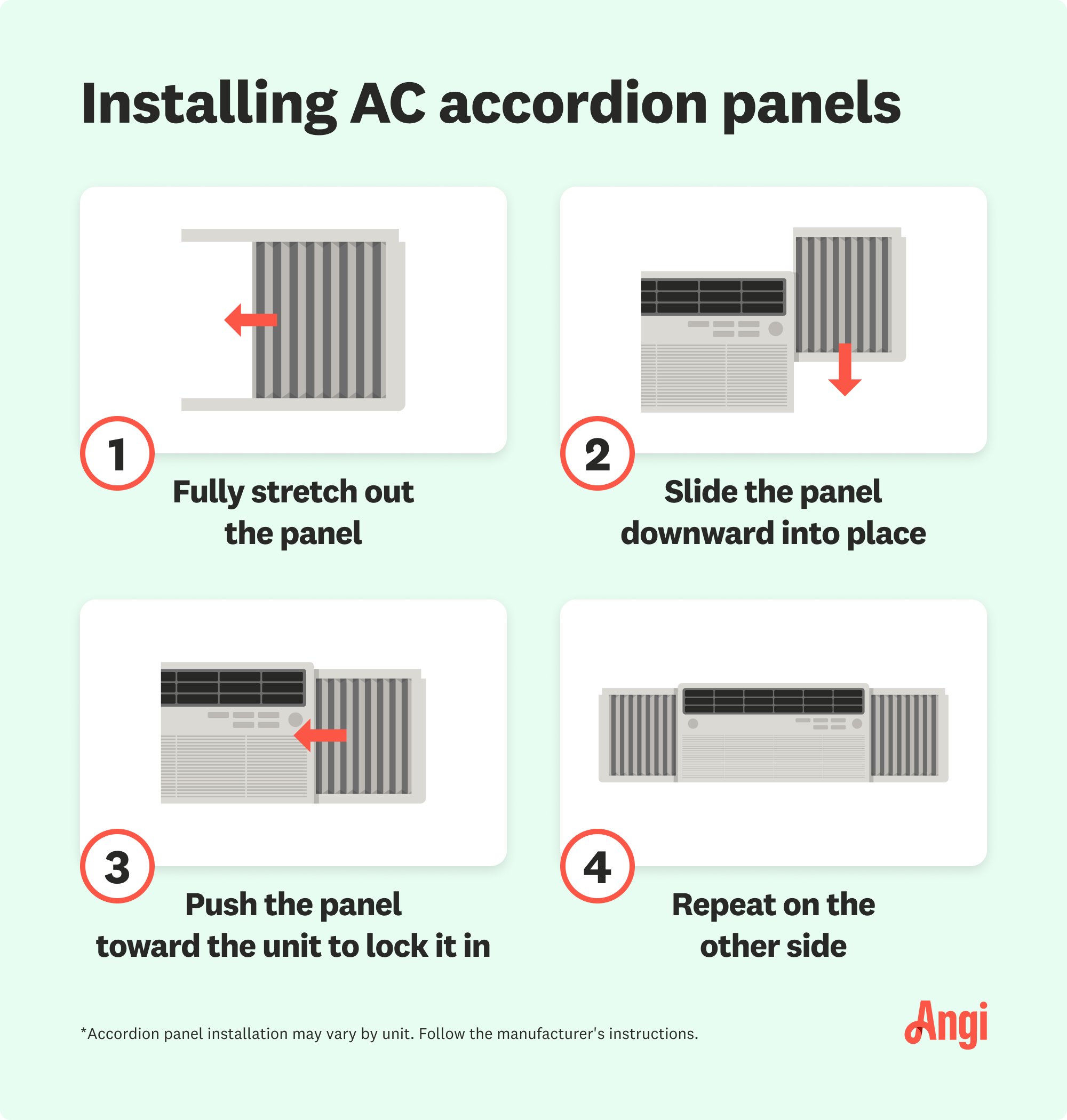
Credit: www.angi.com

Credit: northnjhvac.com
Frequently Asked Questions
Should A Window Air Conditioner Be Tilted For Drainage?
Yes, a slight tilt helps water drain outside properly. It prevents water from pooling inside, which can cause damage or mold.
How Much Should A Window Ac Be Tilted?
Tilt your window AC about 1/4 inch downward toward the outside. This small angle ensures effective drainage without affecting performance.
What Happens If A Window Ac Is Not Tilted?
If not tilted, water may leak inside or damage the unit. This can reduce efficiency and cause unpleasant odors or mold growth.
Can Improper Tilt Affect Ac Cooling Efficiency?
Yes, improper tilt can cause water buildup, reducing cooling efficiency. Proper tilt ensures the unit works optimally and lasts longer.
Conclusion
A window air conditioner should have a slight tilt to work well. This tilt helps water drain outside, not inside your home. Without it, water can leak and cause damage. Too much tilt can make the unit work harder and wear out faster.
Check the manufacturer’s guide for the right angle. Proper installation keeps your air conditioner efficient and your room cool. Small details like tilting make a big difference in performance. Keep these tips in mind for a comfortable, dry space all summer.