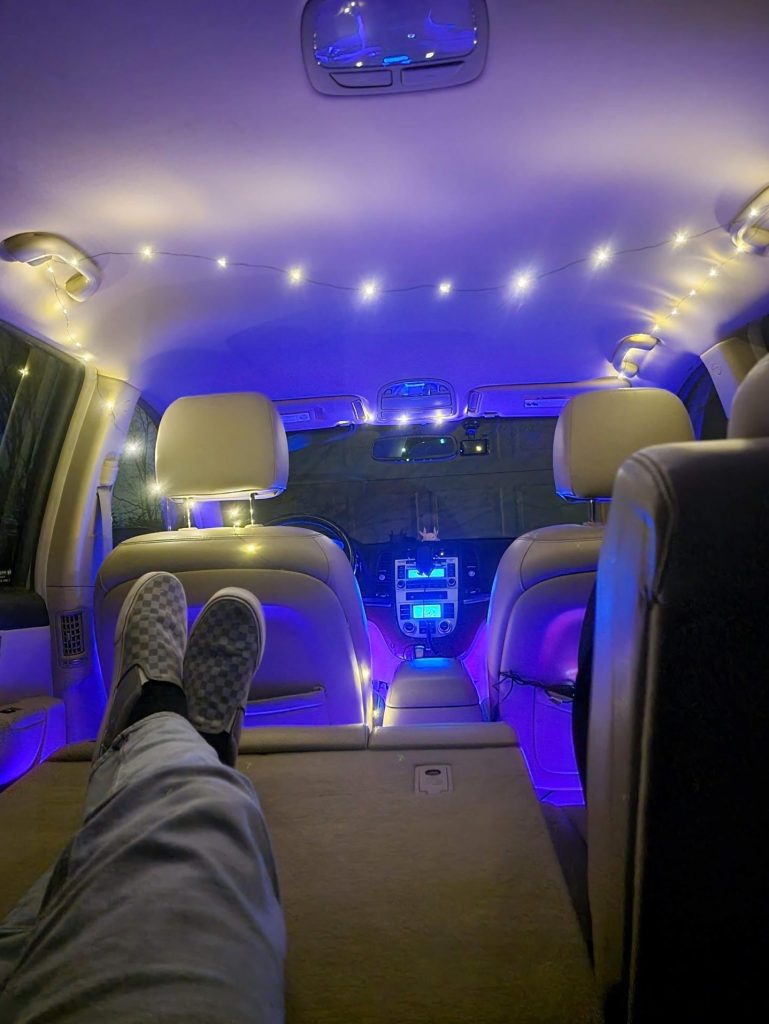
Are you thinking about adding LED lights to your car to make it stand out or improve visibility? Before you grab those colorful strips or bright bulbs, you need to know if it’s actually legal.
Using LED lights the wrong way could lead to fines or even bigger problems. You’ll discover the rules that affect your car lighting and learn how to stay safe and within the law. Keep reading to find out what you can and cannot do with LED lights on your vehicle.

Credit: www.amazon.ca
Car Led Lights Laws
LED lights are popular for car customization. Many drivers want to know if they are legal to use on vehicles.
Car LED light laws vary by location. It is important to follow rules to avoid fines or safety issues.
Federal Regulations
The federal government sets some rules for car lights. These rules ensure all cars have safe lighting on roads.
The National Highway Traffic Safety Administration controls these rules. They focus on light color and brightness levels.
- Headlights must be white or yellow
- Brake lights must be red
- Turn signals must be amber or red
- Lights cannot flash too fast or distract drivers
State-specific Rules
Each state has its own laws about LED lights on cars. These rules can be very different from one state to another.
Some states allow colored LED lights inside the car only. Other states may limit LED lights on the outside of vehicles.
- Some states ban blue or red LED lights on cars
- Many states require lights to be a certain brightness
- Flashing or strobe LED lights are often illegal
- Underbody LED lights may be restricted or banned
- Check local laws before adding LED lights to your car

Credit: www.reddit.com
Types Of Led Lights Allowed
Many car owners enjoy customizing their vehicles with LED lights. It’s important to know which types of LED lights are legal in cars.
Different rules apply for interior and exterior LED lights. Knowing these can help you avoid legal issues.
Interior Led Lights
Interior LED lights are popular for creating a stylish look inside the car. They are usually allowed if they do not distract the driver.
- LED strips under the dashboard
- Ambient lighting around the seats
- Customizable color options
Exterior Led Lights
Exterior LED lights can enhance a car’s appearance. Laws are stricter for these lights, especially regarding colors and brightness.
| Allowed LED Types | Notes |
| White headlights | Standard for visibility |
| Amber turn signals | Common requirement |
| Red brake lights | Standard for safety |
Colors And Their Restrictions
LED lights in cars come in many colors. Each color has specific rules. These rules help keep roads safe for everyone.
Understanding which colors are allowed or banned can save you from fines and trouble. Let’s look at these colors and their restrictions.
Permitted Colors
Some LED light colors are legal on cars because they do not confuse other drivers. These colors usually match standard vehicle lighting.
- White lights are allowed for headlights and front-facing lights.
- Red lights are legal for tail lights and brake lights.
- Amber or yellow lights can be used for turn signals and hazard lights.
- Blue and green lights are sometimes allowed for emergency or service vehicles but are restricted for normal cars.
Prohibited Colors
Some LED colors are banned because they can cause confusion or look like official emergency lights. Using these colors can lead to legal trouble.
| Color | Reason for Restriction | Common Use |
|---|---|---|
| Blue | Resembles police or emergency lights | Emergency vehicles only |
| Red (front lights) | Confuses with brake lights or emergency signals | Rear lights only |
| Green | Used by official or emergency vehicles in some areas | Limited to authorized vehicles |
| Purple | No official use; may distract drivers | Not allowed |
| Flashing or strobe colors | Can cause distraction or confusion | Emergency signals only |
Safety Concerns
Using LED lights in cars raises important safety questions. These lights can change how you and others see on the road.
It is important to understand the risks linked to LED lights. This helps keep drivers and pedestrians safe.
Visibility And Distraction
LED lights can improve your car’s visibility at night. But very bright or flashing LEDs may distract drivers.
- Bright LEDs can cause glare, making it hard to see.
- Flashing lights may confuse other drivers.
- Unusual colors could distract attention from the road.
- Proper placement is needed to avoid blinding others.
Impact On Other Drivers
LED lights can affect how other drivers react. They may misjudge your speed or distance if lights are too bright or wrong color.
| Effect | Description |
| Glare | Causes temporary blindness or discomfort |
| Confusion | Flashing lights may lead to wrong decisions |
| Misjudgment | Wrong light color affects distance perception |
| Distraction | Unusual lights divert attention from driving |
Consequences Of Illegal Led Use
Using LED lights in your car can be fun and stylish. But if the lights break the law, you can face serious problems. It is important to know the rules before installing LED lights.
Illegal LED lights can cause accidents and distract other drivers. Police and vehicle inspectors watch for these illegal lights and take action when needed.
Fines And Penalties
Many places have rules about the color, brightness, and placement of LED lights on cars. If your LED lights do not follow these rules, you can get fined.
Fines can be costly and may increase if you keep breaking the rules. You might also have to pay fees to fix the problem or remove the illegal lights.
- Fines usually start around $100 but can be higher.
- Repeat offenses may lead to bigger fines.
- Illegal LED lights can cause your license to be suspended.
- Police may order you to remove the lights immediately.
Vehicle Inspections
During vehicle inspections, officials check if your LED lights meet safety standards. Cars with illegal LED lights may fail the inspection.
If your vehicle fails, you must fix the lights and pass the inspection again. This can cause delays and extra costs.
- LED lights must follow local color and brightness rules.
- Illegal lights can lead to a failed safety inspection.
- Fixing illegal lights may require professional help.
- Failing inspections can delay vehicle registration renewals.
How To Install Led Lights Legally
Installing LED lights in your car can improve visibility and style. Knowing the legal rules helps you avoid fines and safety issues.
Follow local laws and use the right products to keep your car safe and legal on the road.
Choosing Compliant Leds
Choose LED lights that meet local vehicle lighting rules. Use colors allowed by law, such as white or amber for front lights.
Avoid colors like blue or red, as these are usually reserved for emergency vehicles. Check if your LEDs have safety certifications.
- Select LEDs with DOT or SAE approval
- Use only white, amber, or red colors where allowed
- Avoid flashing or strobe effects
- Check local laws about light placement
Professional Installation Tips
Install LED lights properly to meet safety standards. Hire a professional if you are unsure about wiring or placement.
Make sure the lights are visible but not blinding to other drivers. Use correct mounting points and secure wiring to avoid damage.
- Follow vehicle manufacturer guidelines
- Use fuses to protect electrical circuits
- Place lights where they improve visibility
- Test lights before driving on public roads
Trends In Vehicle Lighting
Vehicle lighting is changing fast. LED lights are becoming very popular in cars.
People want brighter and more energy-efficient lights for safety and style.
Advances In Led Technology
LED lights use less power than old bulbs. They last longer and shine brighter.
New LED designs fit better in cars. They allow more creative light shapes and colors.
- Lower energy use saves battery life
- Long lifespan reduces replacements
- Brighter light improves night driving
- Flexible shapes for unique car designs
Future Legal Changes
Laws about LED car lights are changing. Some colors and brightness levels may be restricted.
New rules may allow more LED use but keep road safety strong. Check your local laws before adding LED lights.
- Rules on colors allowed for headlights and indicators
- Limits on brightness to prevent glare
- Requirements for official approval of LED kits
- Possible changes to allow custom LED designs

Credit: www.carifex.com
Frequently Asked Questions
Are Led Lights Legal For Car Interiors?
Yes, LED lights are generally legal inside car interiors. However, avoid colors that distract drivers or mimic emergency vehicles. Check local laws to ensure compliance with specific color and placement rules.
Can Led Headlights Be Used On All Cars?
LED headlights are legal if they meet brightness and color standards. Many vehicles can install LED headlights, but always verify local regulations and ensure proper installation for safety.
Do Colored Led Lights Affect Car Legality?
Colored LED lights on the exterior can be illegal if they resemble emergency signals. Interior colored LEDs are usually allowed but should not distract other drivers. Always review local traffic laws.
Are Underglow Led Lights Allowed On Public Roads?
Underglow LED lights are often restricted or banned in many areas. Some states allow specific colors and placements. Check your local laws before installing underglow lighting on your vehicle.
Conclusion
LED lights in cars can be legal or not, depending on rules. Each state or country has its own laws about colors and placement. Using the wrong lights might cause fines or safety issues. Always check local laws before adding LED lights.
Stay safe and follow the rules to avoid problems. Bright, colorful lights look cool but keep them legal. Knowing the law helps you enjoy your car without trouble. Simple steps make your ride both stylish and safe.