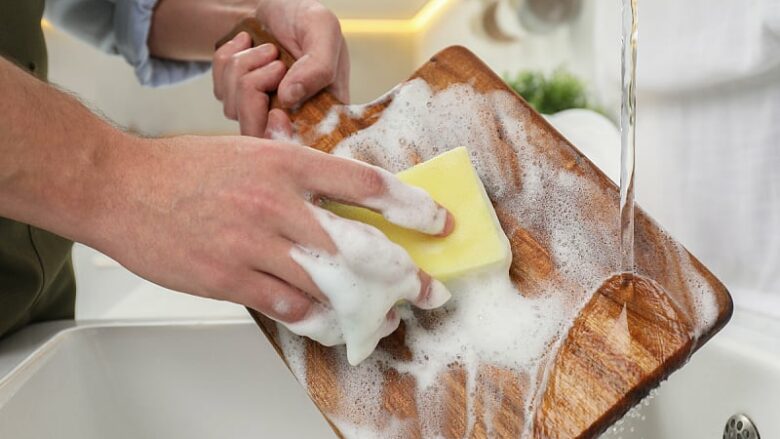
Have you ever stopped to think about how clean your cutting board really is after washing it with detergent? You might believe that a quick scrub with soap and water is enough, but there’s more to it than meets the eye.
Your cutting board is where you prepare your food, so keeping it truly clean is essential for your health. You’ll discover why simply washing your cutting board in detergent might not be enough, and what you can do to keep it safe and spotless every time you use it.
Keep reading to protect yourself and your loved ones from hidden risks lurking right in your kitchen.
Types Of Cutting Boards
Cutting boards come in different materials. Each type has its own use and care needs.
Knowing the types helps you choose the right one for cooking and cleaning well.
Wooden Cutting Boards
Wooden cutting boards are classic and durable. They are gentle on knives and last long.
They absorb water and oils, so washing with detergent is important to remove bacteria.
- Made from maple, oak, or walnut
- Needs regular oiling to prevent cracking
- Not ideal for dishwasher cleaning
Plastic Cutting Boards
Plastic cutting boards are lightweight and easy to clean. They are dishwasher safe.
They can get knife marks, which may hold bacteria if not cleaned properly.
- Available in many colors to avoid cross-contamination
- Replace when deeply scored
- Use detergent and hot water for washing
Bamboo And Composite Boards
Bamboo boards are eco-friendly and harder than wood. Composite boards mix wood fibers and resin.
Both types resist stains and are easier to clean with detergent and water.
- Bamboo is renewable and lightweight
- Composite boards are durable and less porous
- Do not soak in water to avoid damage
Credit: www.cheftalk.com
Why Clean Cutting Boards Thoroughly
Cleaning cutting boards well is important for your health. It stops germs from spreading. Many people skip this step, but it is key for safe food prep.
Using detergent can help get rid of bacteria. A clean board keeps your food safe to eat.
Preventing Bacterial Growth
Bacteria can grow on cutting boards if they are not cleaned. Using detergent helps kill these germs. Make sure to scrub well with hot water.
- Wash with hot, soapy water after each use
- Rinse thoroughly to remove soap residue
- Dry completely to prevent moisture build-up
Avoiding Cross-contamination
Cross-contamination happens when raw meat juices touch other foods. This can cause illness. Clean your cutting board to keep foods separate.
| Food Type | Recommended Cutting Board |
| Raw Meat | Plastic Board |
| Vegetables | Wooden Board |
| Bread | Bamboo Board |
Choosing The Right Detergent
Cleaning your cutting board properly keeps it safe and lasts longer. Picking the right detergent is important. Some detergents can harm the board or leave residues.
This guide helps you decide between mild and harsh detergents. It also suggests natural cleaning alternatives for your cutting board.
Mild Vs. Harsh Detergents
Mild detergents clean gently without damaging wood or plastic boards. Harsh detergents may remove stains but can wear down the surface or leave chemicals behind.
| Type | Effect on Board | Safety |
| Mild Detergents | Gentle cleaning, keeps board smooth | Safe for daily use |
| Harsh Detergents | Strong cleaning, may cause damage | Use sparingly |
Natural Cleaning Alternatives
Natural products can clean well without chemicals. They also reduce the risk of harming your cutting board or food safety.
- Lemon juice removes stains and smells fresh.
- Baking soda scrubs away dirt gently.
- White vinegar disinfects and cleans naturally.
- Olive oil helps condition wooden boards after cleaning.

Credit: en.brilio.net
Step-by-step Washing Process
Keeping a cutting board clean is important for food safety. Washing it properly removes germs and food particles.
This guide shows you how to wash your cutting board with detergent, step by step.
Initial Rinsing
Start by rinsing the cutting board under warm running water. This removes loose dirt and food scraps.
Applying Detergent
Apply a small amount of dish detergent directly to the wet surface of the board. Spread it evenly using your hands or a sponge.
Scrubbing Techniques
Use a scrub brush or sponge to clean the board. Scrub all areas, focusing on cuts and grooves where bacteria hide.
- Scrub in circular motions for better coverage.
- Apply extra pressure on stains or stuck food.
- Flip the board and scrub the other side as well.
Rinsing And Drying
| Action | Details |
|---|---|
| Rinse | Use warm water to wash off all detergent thoroughly. |
| Dry | Pat dry with a clean towel or let air dry standing upright. |
Dealing With Stains And Odors
A cutting board can get stains and smells from food. Washing with detergent helps, but some stains stay.
You can use natural cleaners to remove stains and odors. These are safe and easy to find.
Using Baking Soda And Vinegar
Baking soda and vinegar work well to clean cutting boards. They help remove tough stains and bad smells.
Sprinkle baking soda on the board. Then pour vinegar over it. Let it bubble for a few minutes.
- Scrub the board gently with a sponge or brush
- Rinse with warm water
- Dry the board completely before use
Lemon And Salt Treatments
Lemon and salt also clean stains and odors well. The lemon juice acts as a natural bleach.
Cut a lemon in half. Sprinkle salt on the board. Use the lemon to scrub the salt into the stains.
- Let it sit for five minutes
- Rinse with warm water
- Dry the board before storing

Credit: www.yahoo.com
Maintaining Cutting Boards Post-cleaning
Washing a cutting board with detergent removes food and germs. After cleaning, it is important to care for the board properly. This helps keep the board safe and lasts longer.
Proper maintenance stops cracks and warping. It also prevents bacteria from growing on the surface. Follow these simple steps for healthy cutting boards.
Regular Oiling For Wooden Boards
Wooden cutting boards need oil to stay strong. Oil stops the wood from drying out and cracking. Use food-safe mineral oil or board conditioner.
Apply oil in a thin layer after the board is dry. Let the oil soak in for a few hours or overnight. Wipe off any extra oil with a clean cloth.
- Oil your board once a month or more if used often
- Do not use cooking oils like olive or vegetable oil
- Keep the board away from heat to prevent damage
Replacing Worn-out Boards
Cutting boards get grooves and cuts after long use. Deep cuts can hide bacteria and make cleaning hard. Replace boards that are damaged.
Check for cracks, warping, or discoloration. If the board smells bad or looks worn, it is time for a new one. Using a good board keeps food safe.
- Replace plastic boards when deep cuts appear
- Replace wooden boards if they crack or split
- Keep extra boards to avoid cross-contamination
Common Mistakes To Avoid
Cleaning your cutting board is important for kitchen safety. Using detergent is good, but some cleaning habits can harm your board.
Avoid these common mistakes to keep your cutting board safe and long-lasting.
Soaking Wooden Boards
Many people soak wooden boards in water to clean them better. This can cause the wood to swell and crack over time.
Wood that stays wet too long can grow mold or bacteria inside. It also damages the board’s surface.
- Do not soak wooden boards in water.
- Wash quickly with detergent and water.
- Dry the board immediately with a clean towel.
- Store the board standing upright to air dry fully.
Using Bleach Or Harsh Chemicals
Bleach and strong chemicals can damage cutting boards, especially wood. They may leave harmful residues behind.
These chemicals can also dry out the wood, causing it to crack and wear faster.
- Avoid using bleach or harsh cleaners on cutting boards.
- Choose mild detergent and warm water instead.
- Use natural disinfectants like vinegar if needed.
- Rinse thoroughly after cleaning to remove any soap.
Frequently Asked Questions
How Often Should A Cutting Board Be Washed In Detergent?
Cutting boards should be washed in detergent after every use. This prevents bacteria buildup and cross-contamination. Regular cleaning keeps your board safe for food preparation.
Can Detergent Damage Wooden Cutting Boards?
Mild detergent won’t damage wooden cutting boards when used properly. Avoid harsh chemicals and excessive soaking. Always dry the board thoroughly to maintain its quality.
Is Detergent Enough To Sanitize A Cutting Board?
Detergent cleans cutting boards but may not fully sanitize. Use a bleach solution or vinegar after washing for extra disinfection. This ensures harmful bacteria are eliminated effectively.
Should Plastic And Wooden Boards Be Washed Differently?
Yes, plastic boards can be washed with detergent and hot water. Wooden boards require gentle detergent and quick drying. Proper care prolongs the lifespan of both types.
Conclusion
Washing a cutting board with detergent keeps it clean and safe. It removes germs and food residues well. Use warm water and scrub gently for best results. Dry the board completely to avoid bacteria growth. Regular cleaning helps your kitchen stay healthy.
Simple steps make a big difference in food safety. Clean boards protect your family from harmful germs. Keep your cutting board fresh with this easy routine. A clean board means safer meals every time.