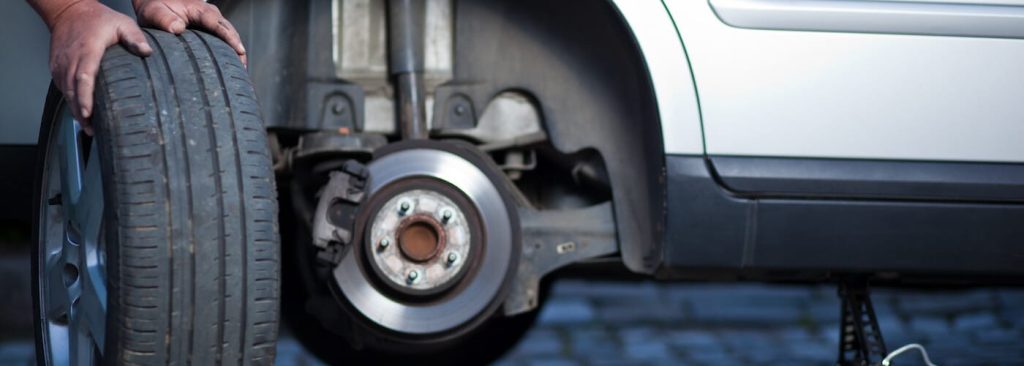
Are you sure you’re taking the best care of your car’s tires? Knowing how often you should rotate your tires can save you money, improve safety, and extend the life of your wheels.
If you’ve ever wondered whether you’re rotating them too often—or not enough—this article is for you. Keep reading to discover the simple steps that can keep your ride smooth and your tires lasting longer. Your car deserves it, and so do you.
Why Tire Rotation Matters
Tire rotation means moving tires from one position to another on your car. It helps your tires wear out evenly. This keeps your car safe and running well.
Rotating tires regularly can save you money. It also makes your driving smoother. Let’s look at why tire rotation is important.
Extending Tire Life
Tires wear out faster if they stay in one place. Front tires may wear differently than back tires. Rotating them helps all tires wear at the same rate.
By rotating tires, you spread the wear evenly. This means you do not have to buy new tires as soon. Your tires last longer and save money.
Improving Vehicle Performance
Even tire wear helps your car drive better. It keeps your car balanced and stable. This improves handling and braking on the road.
Rotated tires reduce vibrations. This makes your ride smoother and quieter. Proper tire care helps your car stay safe and comfortable.
Ensuring Even Tread Wear
Tires have tread patterns that grip the road. Uneven wear can reduce this grip. Rotating tires keeps tread wear balanced across all tires.
Balanced tread wear improves traction. It helps in wet or slippery conditions. Regular rotation keeps your tires working well longer.
Common Rotation Patterns
Tire rotation helps your tires wear evenly and last longer. Different patterns suit different cars and tires.
Choosing the right rotation pattern can improve your car’s handling and safety. Learn about the common types below.
Front-to-rear Rotation
Front-to-rear rotation moves the tires straight from front to back. The front tires go to the rear, and the rear tires move to the front.
This pattern works well for cars with the same size tires on all wheels. It keeps wear balanced between front and rear tires.
- Front tires move straight back
- Rear tires move straight forward
- Good for non-directional tires of the same size
Cross Rotation
Cross rotation swaps tires diagonally. The front tires move to the opposite rear positions, and the rear tires move to the opposite front positions.
This pattern helps balance tire wear on front-wheel-drive cars. It also improves traction and handling.
- Front left moves to rear right
- Front right moves to rear left
- Rear left moves to front right
- Rear right moves to front left
- Best for non-directional tires on front-wheel-drive cars
Directional Tire Rotation
Directional tires have a tread pattern that moves in one direction. Rotate these tires by moving front tires to rear on the same side.
This pattern keeps the tires rolling in the right direction. It prevents uneven wear and maintains good traction.
- Front left moves to rear left
- Front right moves to rear right
- Rear tires move forward on the same side
- Used only for directional tires
Recommended Rotation Intervals
Rotating your car’s tires helps them wear evenly. This keeps your ride smooth and safe.
Tire rotation timing depends on several factors. Follow these guidelines for best results.
Manufacturer Guidelines
Car makers suggest tire rotation intervals in the owner’s manual. These suggestions vary by brand and model.
Following the manufacturer’s advice keeps your warranty valid. It also ensures proper tire care.
- Check your car’s manual for exact rotation intervals
- Follow the recommended rotation pattern
- Use approved tire sizes and types
Mileage-based Rotation
Many experts suggest rotating tires every 5,000 to 8,000 miles. This helps prevent uneven wear.
Regular mileage-based rotation improves tire life and vehicle handling. Keep track of your miles driven.
- Rotate tires every 5,000 to 8,000 miles
- Ideal for drivers with regular road use
- Use tire rotation to match oil change schedules
Time-based Rotation
If you drive less, rotate tires based on time. Many recommend rotation every 6 months to 1 year.
Time-based rotation helps avoid flat spots and uneven tread wear. It keeps tires ready for safe driving.
- Rotate tires every 6 to 12 months
- Good for low-mileage drivers
- Prevents tire damage from long idle periods

Credit: www.worldfordpensacola.com
Factors Affecting Rotation Frequency
Tire rotation is important for car maintenance. Different factors affect how often you should rotate your tires. Let’s explore these factors.
Understanding these factors helps extend tire life and improve safety. Regular tire rotation leads to even wear and better performance.
Driving Habits
How you drive affects your tire rotation needs. Aggressive driving wears out tires faster. This means you need to rotate them more often.
Frequent braking and quick starts also increase tire wear. Gentle driving extends the time between rotations.
- Fast driving increases tire wear
- Frequent stops need more rotations
- Smooth driving extends tire life
Road Conditions
The roads you drive on affect tire rotation frequency. Rough roads cause tires to wear out quickly. This means more frequent rotations are needed.
Driving on smooth roads allows for longer intervals between rotations. Consider the type of roads you travel on regularly.
- Rough roads increase tire wear
- Gravel roads require frequent rotations
- Highways allow longer rotation intervals
Vehicle Type And Drive Configuration
Your vehicle type affects how often you should rotate tires. Different vehicles have different needs. For example, all-wheel drive vehicles might need more frequent rotations.
Front-wheel drive cars may wear front tires faster. Rear-wheel drive cars might wear rear tires faster. Check your car’s manual for guidance.
| All-Wheel Drive | Frequent rotations needed |
| Front-Wheel Drive | Front tires wear faster |
| Rear-Wheel Drive | Rear tires wear faster |
Signs You Need A Tire Rotation
Tire rotation helps your tires wear evenly. It keeps your car safe and smooth to drive.
Watch for signs that show when you need a tire rotation. These signs help you avoid tire problems.
Uneven Tire Wear
Check your tires for uneven wear. Some parts might wear faster than others.
Uneven wear can cause poor traction and shorter tire life. It means your tires need rotation.
- One tire looks more worn than the others
- Edges of tires wear faster than the center
- Center of tires wears more than edges
Vibrations While Driving
Feel vibrations in the steering wheel or seat? This can mean your tires need rotation.
Rotating tires balances the wear and helps stop shaking. It makes your ride smoother.
- Car shakes at certain speeds
- Steering wheel vibrates more than usual
- Vibration feels stronger on rough roads
Handling Issues
If your car pulls to one side, it might need a tire rotation. Poor handling is a warning.
Rotating tires helps your car steer better and keeps it balanced on the road.
- Car drifts left or right without steering
- Steering feels loose or stiff
- Hard to keep the car going straight

Credit: tyre.com.sg
How To Rotate Tires Yourself
Rotating your tires helps them wear evenly. This keeps your car safe and extends tire life.
You can rotate your tires at home with the right tools and steps. This guide will show you how.
Tools Required
You will need a few basic tools to rotate tires yourself. Make sure you have everything before you start.
- Car jack
- Jack stands
- Lug wrench or tire iron
- Torque wrench (optional but recommended)
- Wheel chocks
- Gloves for hand protection
Step-by-step Process
Follow these steps to rotate your tires safely and correctly. Take your time and work carefully.
- Park your car on a flat surface and apply the parking brake.
- Place wheel chocks behind the rear tires to stop the car from moving.
- Loosen the lug nuts on the front tires slightly with the lug wrench.
- Use the car jack to lift one front tire off the ground.
- Place a jack stand under the car for support and lower the jack.
- Remove the tire and move it to the rear on the same side (or follow your car’s rotation pattern).
- Repeat the process for the other tires, following the correct rotation pattern.
- Tighten the lug nuts by hand first, then lower the car and fully tighten them with a wrench.
- Check all lug nuts with a torque wrench to ensure they are secure.
Safety Tips
Safety is very important when rotating tires. Use these tips to avoid accidents and injuries.
- Always use jack stands; never rely only on the car jack.
- Wear gloves to protect your hands from dirt and sharp parts.
- Work on a flat, stable surface to prevent the car from slipping.
- Double-check that the parking brake is on before starting.
- Do not rush. Take your time to avoid mistakes.
- Keep children and pets away from the work area.
- Check your car’s manual for the correct tire rotation pattern.
When To Seek Professional Help
Rotating tires regularly helps your car run smoothly. Sometimes, you need a professional to check your tires. They can find problems you might miss.
Knowing when to get expert help keeps your tires safe. It can also save money by avoiding bigger repairs later.
Alignment And Balancing Needs
If your car pulls to one side or the steering wheel shakes, it may need alignment or balancing. These issues affect tire wear and handling.
- Check alignment if your tires wear unevenly.
- Get balancing if you feel vibrations while driving.
- Ask a professional after hitting a pothole or curb hard.
Tire Condition Assessment
Regular inspection of tire condition is important. Professionals look for tread depth, cracks, and damage.
| Condition | Signs to Watch | Action Needed |
|---|---|---|
| Tread Depth | Less than 2/32 inch | Replace tires |
| Cracks or Bulges | Visible damage on sidewalls | Seek immediate help |
| Uneven Wear | One side wears faster | Check alignment and rotate |
Warranty And Service Records
Keep your tire warranty and service records updated. This helps when you need repairs or replacements.
Professional help is needed if:
- Your warranty requires scheduled inspections.
- Service records show missed tire maintenance.
- You want to claim tire replacement under warranty.

Credit: www.daleearnhardtjrbuickgmc.com
Frequently Asked Questions
How Often Should You Rotate Car Tires?
Rotate your tires every 5,000 to 8,000 miles. This helps ensure even tire wear and extends their lifespan. Always check your vehicle’s owner manual for specific recommendations.
Why Is Tire Rotation Important For My Car?
Tire rotation promotes even tread wear across all tires. This improves traction, safety, and extends tire life. It also helps maintain balanced handling and fuel efficiency.
Can I Rotate Tires Myself Or Need A Mechanic?
You can rotate tires yourself if you have the right tools and knowledge. However, a mechanic ensures proper rotation patterns and tire balance for safety.
What Happens If I Don’t Rotate My Tires Regularly?
Failing to rotate tires causes uneven wear, reducing tire life. It can lead to poor handling, decreased fuel efficiency, and increased risk of tire failure.
Conclusion
Tire rotation keeps your car safe and saves money. Rotating tires every 5,000 to 7,000 miles works best. It helps tires wear evenly and last longer. This simple step improves handling and fuel efficiency. Check your car’s manual for exact advice.
Regular rotation also prevents costly repairs down the road. Don’t wait for problems to start. Keep your tires healthy and enjoy a smooth ride. Simple care goes a long way in car maintenance.