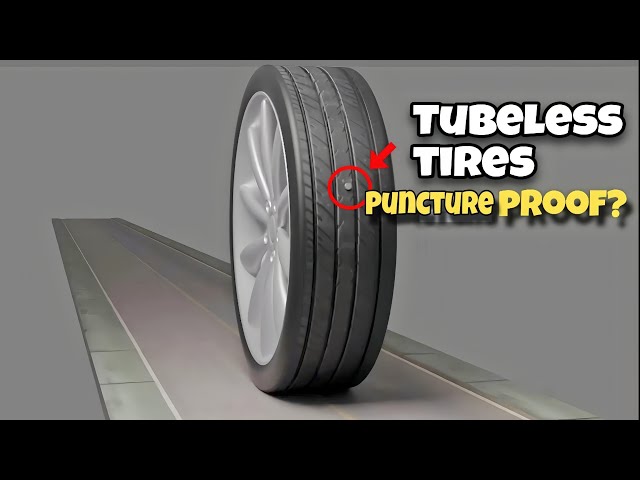
Have you ever wondered if your car tires are tubeless? Knowing this can make a big difference in how you care for your vehicle and what you expect from its performance.
Whether you’re curious about safety, maintenance, or just how your tires work, understanding the difference between tubed and tubeless tires can save you time and money. Keep reading, because what you learn here could change the way you look at your car’s tires forever.
Tubeless Tires Explained
Tubeless tires are a type of tire that does not use an inner tube. They have become common in cars and other vehicles. These tires help improve safety and performance.
This article explains how tubeless tires work and the materials used to make them. Understanding these details can help you learn why many cars use tubeless tires today.
How Tubeless Tires Work
Tubeless tires work by creating an airtight seal between the tire and the wheel rim. This seal holds the air inside the tire without needing a separate inner tube.
If the tire gets a small puncture, the air leaks slowly. Some tubeless tires use sealant inside to close small holes automatically. This reduces the chance of sudden flats.
- The tire bead fits tightly on the rim
- The rim has a smooth surface for a strong seal
- Air pressure pushes the tire bead against the rim
- Sealant can fill small punctures inside the tire
Materials Used In Tubeless Tires
Tubeless tires are made from rubber and other strong materials. These materials help the tire keep air and stay durable on the road.
Some main materials used in tubeless tires include rubber, fabric layers, and steel or nylon belts. Each part adds strength and flexibility to the tire.
- Rubber:The outer layer protects from wear and weather.
- Fabric Layers:These layers give the tire shape and flexibility.
- Steel or Nylon Belts:They add strength and help keep the tire from bending too much.
- Sealant (optional):A liquid inside that seals small holes.
Differences Between Tubeless And Tube Tires
Car tires can be tubeless or have inner tubes. Both have pros and cons.
Understanding these differences helps drivers make the right choice for their cars.
Construction Variations
Tubeless tires do not need an inner tube. The tire itself holds the air.
Tube tires have a separate inner tube that holds air. The tire acts as a protective layer.
- Tubeless tires have a tighter seal with the rim.
- Tube tires have a simpler construction but more parts.
Performance And Safety
Tubeless tires are safer at high speeds. They lose air slowly if punctured.
Tube tires can deflate quickly if punctured, which may be dangerous.
- Tubeless tires offer better fuel efficiency.
- Tube tires are easier to repair in remote areas.
Cost Comparison
Tubeless tires may cost more upfront but save money over time.
Tube tires are cheaper initially but may require more frequent repairs.
| Type | Initial Cost | Long-term Cost |
| Tubeless | Higher | Lower |
| Tube | Lower | Higher |
Advantages Of Tubeless Tires
Tubeless tires are common in many cars today. They offer several benefits over traditional tires with tubes.
These benefits improve safety, performance, and cost-effectiveness for drivers.
Improved Puncture Resistance
Tubeless tires have fewer parts, which lowers the chance of sudden air loss. They use a thick inner liner that helps seal small holes quickly.
- Sealant inside the tire can close small punctures.
- No inner tube means less risk of pinch flats.
- Better for rough roads and sharp objects.
Better Air Retention
Air stays inside tubeless tires longer than tube tires. The airtight seal reduces slow leaks and keeps pressure stable.
| Feature | Tubeless Tire | Tube Tire |
| Air Loss Rate | Low | Higher |
| Need for Frequent Inflation | Rare | Often |
| Pressure Stability | Better | Less Stable |
Enhanced Fuel Efficiency
Tubeless tires reduce friction and rolling resistance. This helps the car use less fuel during drives.
Fuel savings come from:
- Lower tire weight
- Better air pressure control
- Less heat build-up inside the tire
Potential Drawbacks Of Tubeless Tires
Tubeless tires are popular for many reasons, but they also have some drawbacks. It is important to know these before choosing tubeless tires for your car.
This article explains some of the main issues with tubeless tires. These include repair challenges, compatibility problems, and higher installation costs.
Repair Challenges
Fixing tubeless tires can be harder than fixing regular tires. Small punctures may need special plugs or sealants. Not all repair shops have the tools or skills to fix tubeless tires properly.
Sometimes, a damaged tubeless tire must be replaced instead of repaired. This can cause more expense and inconvenience for the driver.
Compatibility Issues
Tubeless tires do not fit on all wheels. They need rims designed to hold air without a tube. Using a tubeless tire on the wrong rim can cause air leaks and safety problems.
Older cars or wheels may not support tubeless tires. Upgrading to tubeless may require buying new rims or wheels, which can be costly.
Initial Installation Costs
Installing tubeless tires can cost more than regular tires at first. The tires and special rims are often more expensive. You may also need tools to seal the tire correctly.
Some shops charge extra for tubeless tire installation. This makes the initial cost higher compared to traditional tires with tubes.
Identifying Tubeless Tires On Your Car
Most modern cars use tubeless tires. Tubeless tires do not have an inner tube. They rely on the tire and rim to hold air.
You can check if your car has tubeless tires by looking at the tire sidewall or your vehicle manual. These sources provide clear information.
Reading Tire Sidewall Markings
Look at the tire’s sidewall for important markings. These markings tell you about the tire type and size.
Search for the word “Tubeless” on the sidewall. If it is there, the tire is tubeless.
- The word “Tubeless” often appears near the tire size.
- If it says “Tube Type,” the tire uses an inner tube.
- Other markings include brand, load capacity, and speed rating.
Consulting Vehicle Manuals
Your vehicle manual has details about the tires recommended for your car. It also states if tubeless tires are used.
Check the tire section in the manual. It often shows tire types and sizes that fit your vehicle.
- Find the tire specifications page in the manual.
- Look for information about tubeless or tube-type tires.
- Follow the manual’s guidance for tire replacement.

Credit: www.reddit.com
Maintenance Tips For Tubeless Tires
Tubeless tires are popular for cars because they offer good performance and safety. Taking care of them helps you avoid problems on the road.
Proper maintenance keeps your tubeless tires in good shape and extends their life. Here are some important tips to follow.
Regular Pressure Checks
Check the air pressure in your tubeless tires often. Proper pressure helps the tire last longer and improves fuel efficiency.
Use a reliable tire pressure gauge to measure the pressure. Check when the tires are cold for accurate readings.
- Check pressure at least once a month
- Inflate tires to the recommended pressure
- Reduce pressure if driving on soft surfaces
- Do not overinflate the tires
Sealant Usage
Tubeless tires use a liquid sealant inside to fix small punctures automatically. Check the sealant level regularly to keep it effective.
Sealant can dry out over time, so refill it every 3 to 6 months. Use the sealant type recommended by your tire maker.
- Remove the tire from the wheel to add sealant
- Use gloves to avoid contact with sealant
- Check for leaks after adding sealant
- Replace sealant if it becomes clumpy or thick
When To Replace
Replace tubeless tires if they show deep cuts, cracks, or heavy wear. Old tires lose grip and can be unsafe.
Check the tire tread depth regularly. Replace tires when tread is below the safety limit, usually 2/32 inch.
- Look for bulges or bubbles on the tire sidewall
- Replace tires after 5 to 7 years even if they look fine
- Replace if you notice frequent air loss
- Have a professional inspect tires regularly
Future Trends In Tire Technology
Car tires are changing with new technology. Tubeless tires are becoming more common. They offer better safety and performance.
Future tire designs will focus on improving tubeless features and being eco-friendly. These trends will shape how we drive soon.
Advancements In Tubeless Designs
New tubeless tires use stronger materials to prevent leaks. This makes them safer and more reliable on the road.
Some designs improve air retention and reduce the chance of punctures. This means fewer flat tires for drivers.
- Better sealing technology to stop air leaks
- Stronger sidewalls to resist damage
- Improved tread patterns for grip and safety
Eco-friendly Innovations
Tire makers are creating eco-friendly tubeless tires. These use materials that are better for the environment.
Recycling and reducing waste is important. New tires may use natural rubber and less harmful chemicals.
- Use of natural and renewable materials
- Reduced carbon footprint in manufacturing
- Tires designed to last longer and reduce waste

Credit: www.walmart.com

Credit: www.carfinder.co.in
Frequently Asked Questions
Are Most Car Tires Tubeless Today?
Yes, most modern car tires are tubeless. Tubeless tires have no inner tube and rely on airtight seals. They offer better safety, lower risk of punctures, and improved fuel efficiency compared to tube-type tires.
How Do Tubeless Tires Prevent Air Leaks?
Tubeless tires use an airtight rim and tire bead seal. The tire’s inner surface is coated with a layer that holds air. This design eliminates the need for an inner tube, reducing air leakage and improving durability.
Can Tubeless Tires Be Repaired Easily?
Yes, tubeless tires can be repaired quickly with plug kits. Punctures can often be fixed without removing the tire from the rim. This convenience makes tubeless tires more user-friendly and cost-effective over time.
Are Tubeless Tires Safer Than Tube Tires?
Tubeless tires are generally safer because they deflate slowly when punctured. This gradual air loss helps maintain vehicle control. Tube tires may burst suddenly, increasing accident risk, especially at high speeds.
Conclusion
Car tires today are mostly tubeless for good reasons. They offer better safety and easier maintenance. Tubeless tires reduce the chance of sudden air loss. They also help improve fuel efficiency and provide a smoother ride. Most modern cars come with tubeless tires as standard.
Knowing this helps you understand your car better. Choose tires that suit your driving needs. Keep them well maintained for longer life. Safe driving starts with good tires.