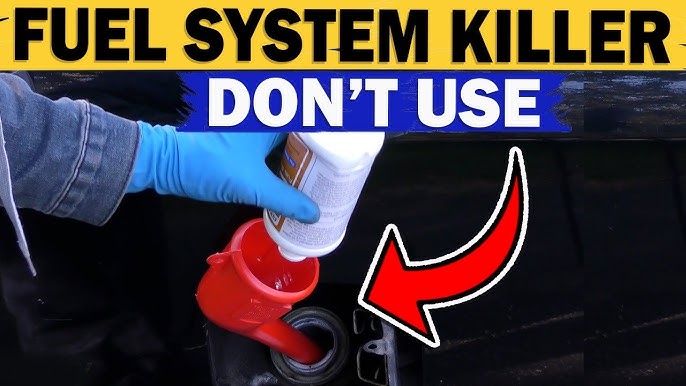
Have you ever wondered why your car sometimes feels less powerful or struggles to start smoothly? It might be time to think about fuel system cleaning.
This simple yet often overlooked service can make a big difference in how your vehicle runs. By cleaning your fuel system, you’re not just improving your car’s performance—you’re also protecting your engine and saving money on fuel. Keep reading to discover exactly what fuel system cleaning does for your vehicle and why it could be the key to a smoother, more efficient ride.
Fuel System Basics
The fuel system delivers gasoline to the engine for burning. It keeps the engine running smoothly and efficiently.
Fuel system cleaning removes dirt and buildup inside the system. This helps improve engine performance and fuel economy.
Components Involved
The fuel system has many parts that work together. Each part plays a role in moving fuel to the engine.
- Fuel Tank:Stores the gasoline safely.
- Fuel Pump:Moves fuel from the tank to the engine.
- Fuel Filter:Removes dirt and debris from the fuel.
- Fuel Injectors:Spray fuel into the engine’s cylinders.
- Fuel Lines:Carry fuel between parts of the system.
Role In Engine Performance
The fuel system controls how much fuel reaches the engine. Proper fuel flow helps the engine run well.
Cleaning the system clears clogs and buildup. This leads to better fuel efficiency and smoother engine work.
- Improves fuel spray for better burning
- Prevents engine misfires and rough idling
- Reduces harmful emissions
- Enhances overall power and acceleration
Causes Of Fuel System Contamination
Fuel system contamination can lead to poor engine performance. It’s important to know what causes these issues.
Contamination often occurs due to dirt, water, and other impurities. These elements affect how fuel moves through the system.
Common Deposits And Buildups
Deposits and buildups can form in various parts of the fuel system. These blockages make it difficult for fuel to flow smoothly.
They are usually made of dirt, rust, and carbon. These materials gather over time and need regular cleaning.
- Fuel injectors can become clogged
- Valves may have carbon deposits
- Rust can form in fuel tanks
Effects Of Poor Fuel Quality
Poor fuel quality can damage the fuel system. It often contains impurities that harm engine parts.
These impurities lead to inefficient fuel burning. This reduces the power and efficiency of your vehicle.
| Effect | Impact |
| Decreased Engine Power | Slower acceleration |
| Higher Emissions | More pollution |
| Increased Fuel Consumption | More trips to the gas station |
How Fuel System Cleaning Works
Fuel system cleaning removes dirt and deposits from your engine’s fuel parts. It helps improve fuel flow and engine performance. Over time, fuel injectors, intake valves, and combustion chambers get clogged.
Cleaning clears these blockages. This allows fuel to burn more efficiently. The process can increase power and reduce emissions.
Cleaning Methods
There are several ways to clean the fuel system. Each method targets different parts of the system.
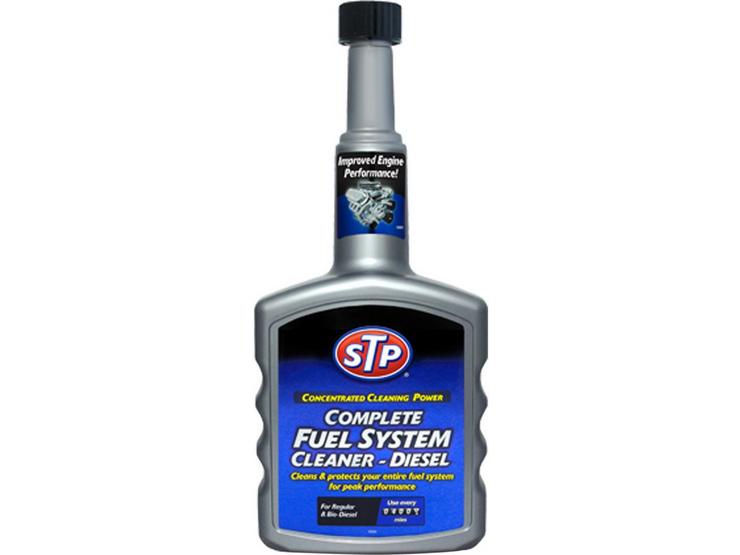
- Fuel Additives:Chemicals added to the fuel tank to dissolve deposits.
- Manual Cleaning:Removing and cleaning fuel injectors by hand.
- Professional Flush:Using machines to clean the entire fuel system.
- Ultrasonic Cleaning:Injectors cleaned with ultrasonic waves to remove buildup.
Professional Vs Diy Approaches
Both professional and do-it-yourself (DIY) options exist for fuel system cleaning. Each has pros and cons.
| Aspect | Professional Cleaning | DIY Cleaning |
| Cost | Higher due to tools and labor | Lower, mostly cost of cleaners |
| Effectiveness | More thorough and deep cleaning | Good for light deposits |
| Time | Usually done within an hour | Takes longer, depends on skill |
| Tools Needed | Special machines and equipment | Fuel additives or basic tools |

Credit: www.pepboys.com
Benefits Of Fuel System Cleaning
Fuel system cleaning helps keep your car’s engine in good shape. It removes dirt and buildup inside the fuel system.
Cleaning the fuel system can improve how your car runs and saves money on fuel.
Improved Fuel Efficiency
Cleaning the fuel system removes deposits that block fuel flow. This helps the engine use fuel better.
Better fuel use means your car can drive farther on the same amount of gas.
- Removes fuel injector clogs
- Allows smoother fuel spray
- Improves fuel-air mix
Enhanced Engine Power
Fuel system cleaning clears the engine parts that deliver fuel. This helps the engine work stronger.
A clean fuel system lets the engine run smoothly and respond better to the gas pedal.
- Restores fuel injector spray pattern
- Prevents misfires and rough idling
- Improves acceleration and power
Reduced Emissions
Cleaning fuel parts helps the engine burn fuel fully. This lowers harmful gases from the exhaust.
Less pollution means your car is better for the environment and may pass emissions tests easier.
- Reduces carbon buildup
- Decreases smoke and fumes
- Helps meet emission standards
Signs Your Fuel System Needs Cleaning
A clean fuel system helps your engine run smoothly. Dirt and deposits can build up over time. This buildup causes problems with how your car performs.
Knowing the signs of a dirty fuel system can help you decide when to get it cleaned. Below are common symptoms to watch for.
Performance Symptoms
Your engine may show signs if the fuel system is dirty. You might notice rough idling or trouble starting the car. The engine can hesitate or stall during driving.
- Engine misfires or runs unevenly
- Reduced power when accelerating
- Car stalls or hesitates
- Rough or unstable idle
- Difficulty starting the engine
Fuel Economy Indicators
A dirty fuel system can lower your car’s fuel efficiency. You may find yourself filling up the tank more often. Poor fuel delivery causes the engine to burn more fuel than needed.
| Indicator | What It Means |
| Lower miles per gallon (MPG) | Engine uses more fuel due to deposits |
| Frequent refueling | Fuel system is not delivering fuel efficiently |
| Strong fuel smell | Fuel leaks or incomplete combustion |
Credit: dieselcomponentsinc.com
Frequency And Maintenance Tips
Fuel system cleaning helps keep your engine running smoothly. It removes dirt and buildup from fuel injectors and intake valves.
Regular cleaning improves fuel efficiency and reduces emissions. Knowing how often to clean is important for vehicle health.
Recommended Cleaning Intervals
Most car makers suggest cleaning the fuel system every 30,000 to 45,000 miles. This keeps the fuel injectors working well.
If you drive in dusty or harsh conditions, clean it more often. Signs like rough idling or poor acceleration mean it might be time.
- Check your vehicle’s owner manual for specific advice
- Consider fuel system cleaning during major service visits
- Use quality fuel to reduce buildup
Preventive Measures
Preventive care helps avoid fuel system problems. Regular maintenance keeps the engine clean and efficient.
Simple habits can extend the life of your fuel system. They reduce the chance of costly repairs later.
- Use fuel additives designed to clean fuel injectors
- Replace fuel filters as recommended by the manufacturer
- Avoid running your tank too low to prevent dirt intake
- Get regular engine tune-ups to catch issues early
Potential Risks And Misconceptions
Fuel system cleaning is a service meant to improve engine performance. Some people worry about risks and misunderstand its effects.
Knowing the facts helps avoid mistakes and keeps your vehicle safe. Let’s look at common concerns and myths.
Overuse And Damage Concerns
Using fuel system cleaning too often can harm your engine. It may remove important lubricants or damage parts.
Cleaning too much can cause wear on fuel injectors and filters. Follow the manufacturer’s advice on how often to clean.
- Do not clean fuel system more than recommended.
- Excess cleaning can wear engine parts.
- Use proper cleaning products only.
- Consult your vehicle manual before cleaning.
Clarifying Common Myths
Many people think fuel system cleaning fixes all engine problems. This is not true. It only helps with fuel delivery issues.
Some believe cleaning instantly improves fuel economy or power. Results vary and depend on your vehicle’s condition.
- Fuel cleaning does not fix all engine problems.
- It may not improve fuel economy every time.
- Not all vehicles need regular cleaning.
- Proper maintenance is key for engine health.
Credit: www.halfords.ie
Frequently Asked Questions
What Does Fuel System Cleaning Remove?
Fuel system cleaning removes dirt, deposits, and carbon buildup from fuel injectors and intake valves. This improves fuel flow and engine efficiency.
How Often Should I Clean My Fuel System?
It’s recommended to clean your fuel system every 30,000 miles or as advised by your vehicle manufacturer. Regular cleaning prevents buildup and maintains performance.
Can Fuel System Cleaning Improve Gas Mileage?
Yes, fuel system cleaning can improve gas mileage by restoring optimal fuel flow and combustion efficiency. Clean systems burn fuel more completely.
Does Fuel System Cleaning Reduce Engine Knocking?
Fuel system cleaning helps reduce engine knocking by removing carbon deposits that cause improper combustion. This leads to smoother engine operation.
Conclusion
Fuel system cleaning helps your car run smoother and use less fuel. It removes dirt and buildup from important parts. This can improve engine power and reduce emissions. Regular cleaning keeps the fuel system healthy for longer. It also lowers the chance of costly repairs.
Clean fuel parts mean better performance and savings. Consider fuel system cleaning as part of car care. Small steps like this protect your vehicle and wallet. Simple, effective, and worth the effort.