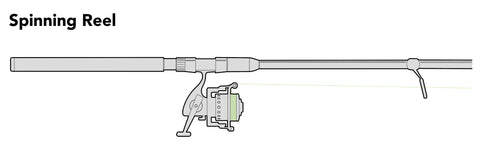
Are you ready to get your spinning reel ready for your next fishing trip? Knowing how to add fishing line to your spinning reel is a simple skill that can save you time and frustration on the water.
Whether you’re a beginner or just need a quick refresher, this guide will walk you through each step clearly and easily. By the end, you’ll feel confident and prepared to tackle any fishing adventure with a perfectly loaded reel. Keep reading to learn how to make your setup smooth and hassle-free!
Choosing The Right Fishing Line
Choosing the right fishing line is key to a good fishing experience. The line must fit your reel and the type of fish you want to catch. This guide helps you pick the best line for your spinning reel.
Many factors matter, like line type, strength, and length. Matching the line to your reel ensures smooth casting and better control.
Types Of Fishing Line
There are three main types of fishing line. Each type has strengths and suits different fishing styles. Knowing the difference helps you choose wisely.
- Monofilament:A single strand of nylon. It is stretchy and easy to handle. Good for beginners.
- Fluorocarbon:Nearly invisible underwater. It resists abrasion well and sinks faster than monofilament.
- Braid:Made of woven fibers. It is very strong and thin. Ideal for heavy cover and long casts.
Line Strength And Length
Choose line strength based on the fish you want to catch. The strength is measured in pounds (lb) and shows how much weight the line can hold before breaking.
| Fish Type | Line Strength (lb) | Recommended Length (yards) |
| Small Panfish | 4-6 | 100-150 |
| Trout and Bass | 8-12 | 150-200 |
| Walleye and Pike | 12-20 | 200-300 |
| Saltwater Species | 20-30+ | 300+ |
Matching Line To Reel
Your reel has limits on what line it can hold. Check the reel’s spool for maximum line strength and length. Using the wrong line can cause problems.
Tips to match line to reel:
- Use line within the reel’s strength limit
- Do not overfill the spool with line
- Choose line diameter that fits the reel’s spool size
- Consider the type of fishing and environment

Credit: www.youtube.com
Preparing The Spinning Reel
Before you add fishing line to a spinning reel, it’s important to prepare the reel. This ensures smooth operation and reduces the chance of line tangles.
In this guide, we will discuss how to remove the old line, clean the spool, and check the reel components.
Removing Old Line
Start by removing the old line from your spinning reel. This helps prevent tangles and ensures the new line is added correctly.
- Open the bail arm to release tension.
- Use scissors to cut the old line near the spool.
- Dispose of old line responsibly to protect the environment.
Cleaning The Spool
Cleaning the spool removes dirt and debris that can affect line performance. A clean spool helps the line lay evenly.
Checking Reel Components
Check all reel components to ensure they are in good condition. This helps avoid problems when fishing.
| Component | Check For |
| Bail Arm | Opens and closes smoothly |
| Drag System | Adjusts without sticking |
| Handle | Turns without wobbling |
Attaching The Line To The Spool
Attaching the fishing line to the spool is the first step in setting up your spinning reel. It keeps the line secure and ready for casting.
Doing this correctly helps prevent tangles and ensures smooth line release while fishing.
Tying The Arbor Knot
The arbor knot is a strong way to tie the line to the spool. It holds well and is easy to tie.
Start by wrapping the line around the spool and making a simple overhand knot around the main line.
- Wrap the line around the spool.
- Tie an overhand knot around the main line.
- Make a second overhand knot on the tag end.
- Pull both knots tight against the spool.
- Trim the loose end close to the knot.
Securing The Line Properly
After tying the knot, make sure the line is snug on the spool. Loose line can cause tangles and knots later.
Hold the line tight and start winding it evenly onto the spool. Keep pressure on the line to avoid slack.
- Keep the line tight while winding.
- Wind the line evenly across the spool.
- Stop when the spool is almost full.
- Avoid overfilling to prevent tangles.
Winding The Line Onto The Reel
Winding fishing line onto a spinning reel is important for smooth fishing. Proper winding helps the line flow easily and avoid tangles.
This guide focuses on key points to keep your line tight and twist-free while you wind it.
Setting The Drag
Setting the drag correctly protects your line from breaking. The drag controls how much force the fish feels before the line lets out.
- Turn the drag knob clockwise to increase resistance.
- Turn the knob counterclockwise to decrease resistance.
- Test by pulling the line with your hand to check tension.
- Adjust so the line pulls out smoothly without too much force.
Maintaining Tension
Keep tension on the line while winding to avoid loose coils. Loose line can cause knots and tangles.
Tips for Tension:
- Hold the line between your fingers gently to keep it tight.
- Use a cloth or glove if the line feels slippery.
- Wind slowly and evenly onto the spool.
- Stop if you feel slack and adjust your grip.
Avoiding Line Twists
Line twists cause tangles and reduce casting distance. Avoid twists by following simple steps.
| Cause | How to Fix |
| Reel spinning backward | Make sure bail is fully open before winding |
| Line not feeding from spool properly | Place line spool with the correct side up |
| Overfilling the spool | Leave a small gap at the spool edge |
| Loose line tension | Hold line tight during winding |
Final Checks And Tips
After adding fishing line to your spinning reel, it is important to make some final checks. These ensure the line works well and lasts longer. Follow these simple tips to finish your setup correctly.
Taking a few minutes now can save you trouble on the water. Proper trimming, testing, and care keep your reel ready for fishing.
Trimming Excess Line
Cut off the extra fishing line close to the reel spool. Leaving too much line can cause tangles. Use sharp scissors or line cutters for a clean cut.
- Leave about 1/8 inch of line above the spool edge.
- Make a straight cut to avoid rough edges.
- Check that the line is not frayed after cutting.
Testing The Reel
Test your spinning reel to make sure the line moves smoothly. Spool out some line and reel it back in slowly. Listen for any unusual sounds or resistance.
- Pull the line gently to check for smooth release.
- Turn the reel handle to test reeling action.
- Look for line twists or snags during the test.
Line Maintenance Advice
| Tip | Why It Matters |
|---|---|
| Store reel away from sunlight | Prevents line from weakening |
| Rinse line with fresh water after use | Removes salt and dirt |
| Check line for damage regularly | Avoids unexpected breaks |
| Replace line after long use | Keeps performance reliable |

Credit: www.youtube.com

Credit: www.youtube.com
Frequently Asked Questions
How Do I Attach Fishing Line To A Spinning Reel?
To attach fishing line, thread the line through the reel’s guides. Tie it securely with an arbor knot. Tighten and trim excess line before winding it onto the spool evenly.
What Type Of Fishing Line Suits Spinning Reels?
Monofilament and braided lines are ideal for spinning reels. Choose based on fishing conditions and target fish size. Monofilament offers stretch, while braided line provides strength and sensitivity.
How Much Fishing Line Should I Put On My Reel?
Fill the spool about 1/8 inch below the reel’s lip. Overfilling causes tangles; underfilling reduces casting distance. Follow reel manufacturer guidelines for optimal line capacity.
How To Avoid Line Twists On A Spinning Reel?
Attach the line spool correctly and use a swivel to reduce twists. Avoid reeling against the drag, and let the line flow freely during casting.
Conclusion
Adding fishing line to a spinning reel is simple with practice. Follow each step carefully to avoid tangles and knots. Use the right line type and keep tension steady. Properly loaded line helps your fishing experience go smoothly. Now you are ready to cast with confidence.
Enjoy your time by the water and happy fishing!