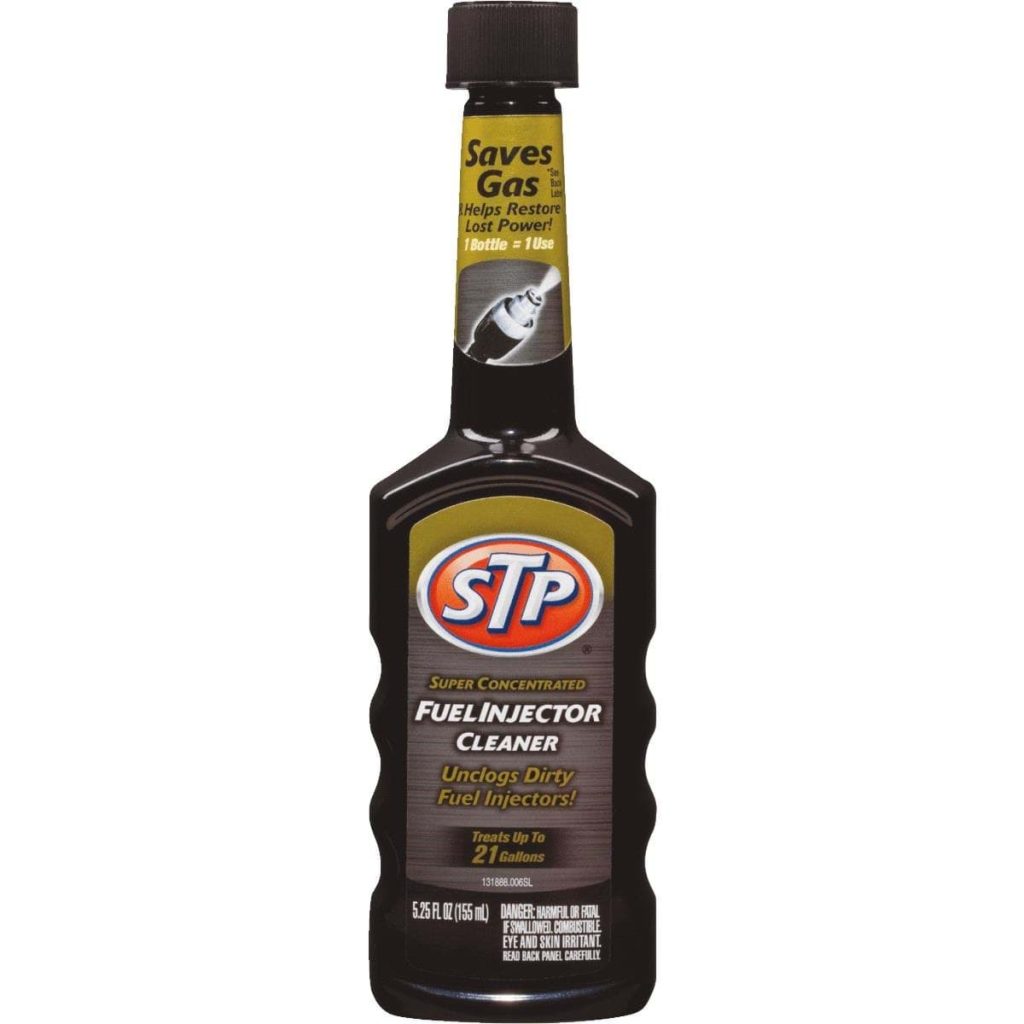
If your car’s engine feels sluggish or you notice a drop in fuel efficiency, your fuel system might need a deep clean. Using STP Fuel System Cleaner can help restore your engine’s power and smoothness, but only if you use it the right way.
You’ll learn exactly how to use STP Fuel System Cleaner step-by-step, so you can get the most out of every drop of fuel and keep your engine running like new. Keep reading to discover simple tips that will save you money and protect your car’s performance.
Why Choose Stp Fuel System Cleaner
Stp Fuel System Cleaner helps keep your engine clean and running smoothly. It removes deposits that harm engine parts.
Using a good cleaner can improve fuel efficiency and reduce emissions. Stp Fuel System Cleaner is a trusted choice.
Key Benefits For Engine Health
Stp Fuel System Cleaner works to protect your engine in many ways. It cleans fuel injectors and intake valves. This helps your engine run better and last longer.
- Removes harmful deposits from fuel injectors
- Improves engine power and acceleration
- Reduces rough idling and stalling
- Helps lower harmful exhaust emissions
- Supports better fuel economy
Comparing With Other Cleaners
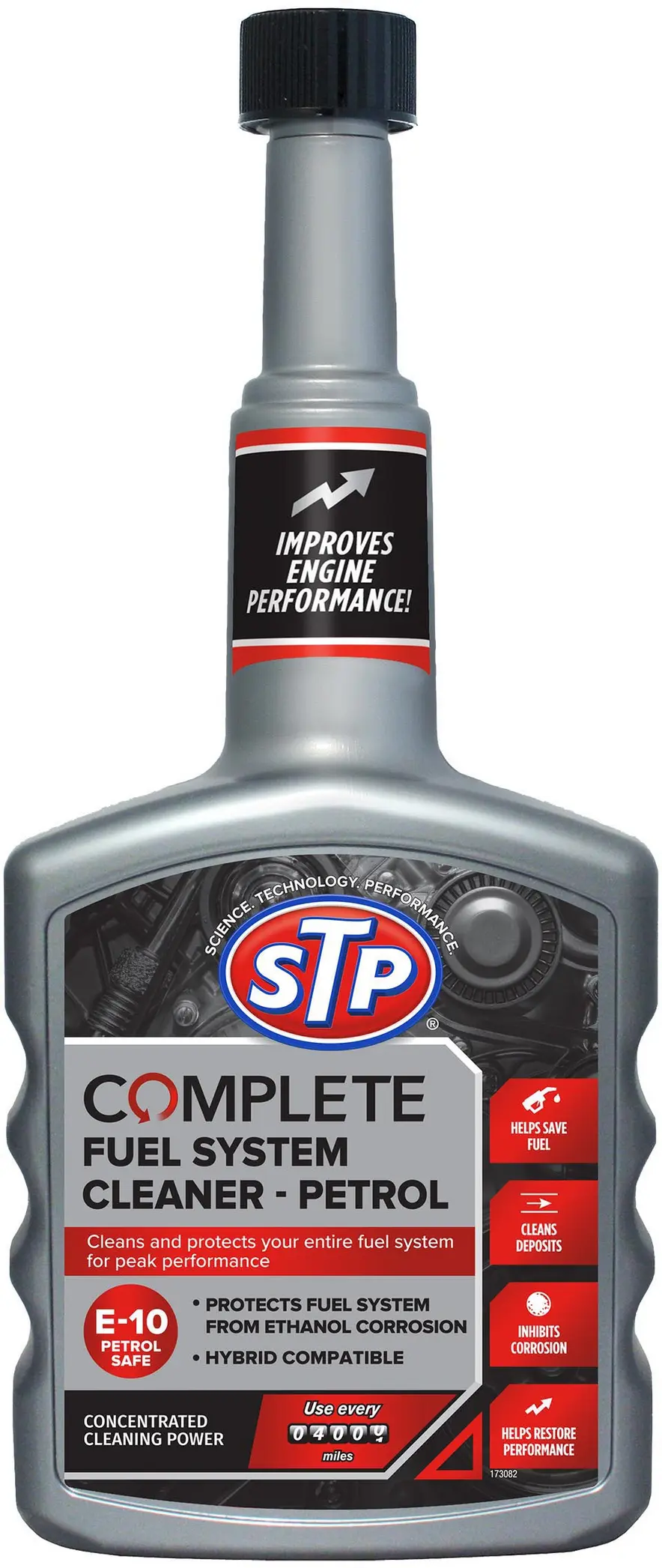
Many fuel system cleaners are available. Stp Fuel System Cleaner stands out for its strong cleaning power and safe formula. It works fast and is easy to use.
| Feature | Stp Fuel System Cleaner | Other Cleaners |
| Cleaning Strength | High | Medium to High |
| Engine Safety | Safe for all engines | Varies by product |
| Ease of Use | Simple pour-in formula | Sometimes requires special steps |
| Fuel Efficiency | Improves noticeably | May improve slightly |
| Emission Reduction | Effective | Variable |
Credit: www.halfords.com
Signs Your Engine Needs Cleaning
Your car’s engine might show signs when it needs cleaning. Ignoring these signs can reduce performance and efficiency.
Using a fuel system cleaner can help keep your engine running smoothly. Let’s explore some common issues that indicate your engine needs attention.
Common Performance Issues
Engines can show problems like rough idling or slow acceleration. These are signs that cleaning might be necessary.
- Rough idling
- Sluggish acceleration
- Stalling
- Engine misfires
Fuel Efficiency Drops
A dirty engine can cause your car to use more fuel than usual. This can increase costs and reduce efficiency.
| Issue | Effect on Fuel Efficiency |
| Clogged fuel injectors | Higher fuel consumption |
| Dirty air filters | Reduced engine performance |
| Carbon buildup | Less power output |
Preparing For Cleaner Application
Using STP Fuel System Cleaner helps keep your engine running well. Proper preparation ensures the cleaner works best.
Before applying, you should check your fuel level and follow safety rules. These steps protect you and your vehicle.
Choosing The Right Fuel Level
For the cleaner to mix well, your fuel tank needs the correct amount of fuel. Too much or too little fuel can reduce the cleaner’s effect.
- Use the cleaner when your tank is nearly empty or below half full.
- Adding the cleaner at low fuel levels helps it spread evenly.
- Do not add the cleaner to a full tank to avoid dilution.
Safety Precautions
Safety is important when handling fuel additives. Follow these simple rules to stay safe.
| Precaution | Reason |
| Work in a well-ventilated area | Prevents inhaling harmful fumes |
| Keep away from open flames | Fuel vapors can catch fire |
| Wear gloves | Protects skin from irritation |
| Store cleaner out of reach of children | Prevents accidental ingestion |
Step-by-step Application Guide
Using STP Fuel System Cleaner is simple and helps keep your engine clean. Follow these steps to apply it correctly.
This guide explains how to add the cleaner, the right amount to use, and the best time during fueling.
Adding Cleaner To Fuel Tank
First, open your vehicle’s fuel tank. Pour the STP Fuel System Cleaner directly into the tank before adding fuel. This allows the cleaner to mix well with the gasoline.
Recommended Dosage
| Fuel Tank Size | Cleaner Amount |
|---|---|
| Up to 10 gallons | One full bottle (12 oz) |
| 10 to 20 gallons | One and a half bottles |
| More than 20 gallons | Two bottles |
Do not exceed the recommended dose. Using the right amount ensures the cleaner works effectively without waste.
When To Use During Fueling
- Always add the cleaner before you start fueling.
- Pour the cleaner into the tank first.
- Fill the tank with gasoline after adding the cleaner.
- This method helps mix the cleaner evenly with the fuel.
Expected Results After Use
Using STP Fuel System Cleaner can bring noticeable benefits to your vehicle. It helps clean fuel injectors and intake valves. This leads to better engine performance and efficiency.
Below are key results you can expect after applying the cleaner regularly. These improvements help maintain your car’s health over time.
Improved Engine Response
The cleaner removes deposits that slow down your engine. This makes your car start faster and run smoother. You may feel quicker acceleration and less hesitation.
- Faster throttle response
- Smoother idling
- Reduced engine knocking
Reduced Emissions
Cleaning the fuel system helps the engine burn fuel more completely. This lowers harmful gases released from the exhaust. Reduced emissions help the environment and may pass emissions tests more easily.
| Emission Type | Typical Reduction |
|---|---|
| Carbon Monoxide (CO) | Up to 20% |
| Hydrocarbons (HC) | Up to 15% |
| Nitrogen Oxides (NOx) | Up to 10% |
Fuel Economy Enhancements
Using the cleaner can improve fuel efficiency by clearing clogged injectors. Your engine uses fuel better, which means fewer trips to the gas station. Savings add up over time with regular use.
- Improved fuel spray pattern
- Reduced fuel waste
- Consistent fuel delivery

Credit: www.amazon.com
Tips For Ongoing Engine Maintenance
Keeping your engine clean helps it run smoothly. Using STP Fuel System Cleaner regularly supports engine health.
Simple care steps can extend your engine’s life and improve fuel efficiency.
Regular Use Schedule
Use STP Fuel System Cleaner every 3,000 miles or as recommended. This keeps the fuel system free of deposits.
- Add the cleaner before filling up your tank.
- Use it consistently to prevent buildup.
- Follow the product instructions for best results.
- Do not skip intervals to maintain engine performance.
Complementary Engine Care Products
Combine STP Fuel System Cleaner with other products for full engine care. Below is a table showing some options and their benefits.
| Product | Purpose | How It Helps |
|---|---|---|
| Engine Oil | Lubrication | Reduces friction and wear |
| Oil Filter | Filtration | Keeps oil clean from dirt |
| Air Filter | Airflow | Prevents dust entering engine |
| Coolant | Temperature Control | Keeps engine from overheating |

Credit: www.dollargeneral.com
Frequently Asked Questions
How Often Should I Use Stp Fuel System Cleaner?
Use STP Fuel System Cleaner every 3,000 miles or as recommended in your vehicle manual. Regular use keeps fuel injectors clean and engine performance optimal.
Can Stp Fuel System Cleaner Improve Fuel Efficiency?
Yes, STP Fuel System Cleaner removes deposits that reduce fuel efficiency. Cleaner fuel systems help engines run smoother and use less fuel, saving you money.
Is Stp Fuel System Cleaner Safe For All Engines?
STP Fuel System Cleaner is safe for gasoline engines, including cars, trucks, and motorcycles. Always follow product instructions to ensure compatibility with your vehicle.
How Do I Add Stp Fuel System Cleaner To My Fuel Tank?
Simply pour the recommended amount of STP Fuel System Cleaner into your fuel tank before filling up with gas. This ensures proper mixing and cleaning action.
Conclusion
Using STP Fuel System Cleaner helps keep your engine clean. It removes dirt and deposits from fuel parts. This improves fuel flow and engine performance. Regular use can reduce engine knocks and save fuel. Always follow the instructions on the bottle carefully.
Clean fuel systems lead to smoother rides and fewer repairs. Simple steps bring better engine health and longer vehicle life. Try it as part of your car care routine. Small efforts make a big difference in how your car runs.