Choosing the right fishing line can make or break your time on the water. You might have the best rod and reel, but if your line isn’t up to the task, you could miss out on the catch of a lifetime.
So, what exactly makes a good fishing line? How can you pick one that suits your style and helps you land more fish? Keep reading, and you’ll discover simple yet powerful tips to boost your fishing game instantly. Your next great catch is closer than you think!
Types Of Fishing Lines
Fishing lines come in several types. Each type has unique qualities for different fishing needs.
Choosing the right fishing line helps catch fish easier and protects your gear.
Monofilament
Monofilament lines are made from a single strand of nylon. They are flexible and easy to handle.
This type of line floats on water and stretches under pressure, which helps absorb shocks.
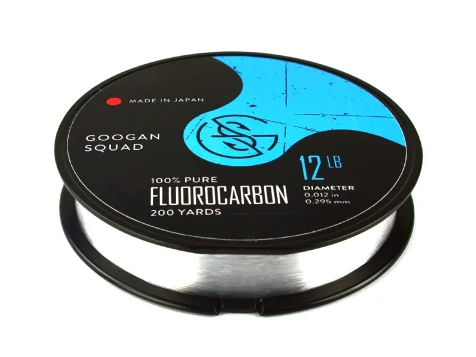
Fluorocarbon
Fluorocarbon lines are almost invisible underwater. They sink faster than monofilament lines.
They resist abrasion well and do not absorb water, keeping their strength over time.
Braided Lines
Braided lines have several fibers woven together. They have very high strength and low stretch.
- Very strong for their thickness
- Do not stretch much, giving good sensitivity
- Resist abrasion and last long
- Float on water surface
- Can be visible underwater
| Type | Strength | Stretch | Visibility in Water | Best Use |
|---|---|---|---|---|
| Monofilament | Medium | High | Moderate | General purpose, beginners |
| Fluorocarbon | High | Low | Low | Clear water, finesse fishing |
| Braided | Very High | Very Low | High | Heavy cover, long casting |
Key Features To Consider
Choosing the right fishing line is crucial for a successful fishing experience. Each type has unique features that cater to different needs.
Understanding these key features will help you select the best fishing line for your adventures.
Strength And Breaking Point
The strength of the fishing line determines how much weight it can hold before breaking. This is essential for catching larger fish.
- Monofilament lines are good for general fishing.
- Braided lines offer high strength for heavy fish.
- Fluorocarbon lines are nearly invisible underwater.
Line Diameter And Visibility
Line diameter affects how visible the line is in the water. Thinner lines are less visible but may have less strength.
| Type of Line | Visibility |
| Monofilament | Visible |
| Braided | Moderate |
| Fluorocarbon | Low |
Stretch And Sensitivity
Stretch and sensitivity are crucial for feeling bites and setting hooks. Less stretch means more sensitivity.
Braided lines offer the least stretch, making them very sensitive. Monofilament lines have more stretch, which can absorb shocks.
Abrasion Resistance
Abrasion resistance is important when fishing near rocks or debris. A line that resists wear will last longer and perform better.
Matching Line To Fishing Style
Choosing the right fishing line is important for success. Different fishing styles need different lines.
This guide helps you pick a line that fits your fishing method and conditions.
Freshwater Vs Saltwater
Freshwater fishing usually requires lighter, thinner lines. Saltwater fishing needs stronger lines to handle rough conditions and bigger fish.
- Freshwater lines are often nylon or fluorocarbon.
- Saltwater lines use braided or heavy-duty fluorocarbon.
- Saltwater lines resist corrosion from salt.
- Freshwater lines focus on invisibility and sensitivity.
Casting Distance And Accuracy
Line choice affects how far and how accurately you can cast. Lighter lines cast farther and more smoothly.
| Line Type | Best for | Casting Benefit |
| Monofilament | Beginners | Good stretch and smooth casting |
| Fluorocarbon | Clear water | Less visible and good accuracy |
| Braid | Long casts | Strong and thin for distance |
Target Species And Line Strength
Match line strength to the fish you want to catch. Bigger fish need stronger lines to prevent breakage.
- Small fish: 2-6 lb test line
- Medium fish: 8-15 lb test line
- Large fish: 20+ lb test line
- Use heavier line for sharp teeth or rough environments
Choosing Line For Different Rods And Reels
Picking the right fishing line is key for a good fishing experience. Different rods and reels need different types of lines.
Using the right line helps you cast better and catch more fish. It also prevents damage to your gear.
Spinning Reels
Spinning reels work well with lighter lines. They need lines that flow smoothly off the spool.
Monofilament and braided lines are common choices. Monofilament is stretchy and easy to handle.
- Use 6-12 lb monofilament for small fish
- Use 10-20 lb braided line for bigger fish
- Match line weight to rod power for best results
Baitcasting Reels
Baitcasting reels need stronger lines. They handle heavy lures and large fish well.
Braid and fluorocarbon lines work best. Fluorocarbon is less visible underwater.
- Use 12-30 lb braided line for heavy cover fishing
- Use 10-20 lb fluorocarbon for clear water
- Keep line weight within reel and rod limits
Fly Fishing Setups
Fly fishing uses special lines made for casting light flies. These lines are thicker and heavier.
Weight-forward fly lines are popular. They help cast longer distances and control the fly better.
- Choose fly line weight that matches rod rating
- Use floating lines for surface fishing
- Use sinking lines for deep water fishing
Maintenance And Storage Tips
Keeping your fishing line in good shape helps it last longer. Good care also prevents problems while fishing.
Learn how to avoid damage, store your line right, and know when to replace it.
Preventing Line Damage
Avoid sharp objects and rough surfaces that can cut or weaken your fishing line. Always check for knots or twists before use.
Rinse your line with fresh water after fishing in saltwater. Salt can cause line to wear out faster.
- Keep line away from rocks and branches
- Untangle knots gently to avoid breaks
- Rinse saltwater line with fresh water
- Check line for frays before each use
Proper Storage Techniques
Store your fishing line in a cool, dry place to stop it from weakening. Avoid direct sunlight because UV light damages line strength.
Keep the line on the reel or spool when not in use. This stops it from tangling or getting dusty.
- Store line indoors, away from heat
- Use a sealed container to keep dust out
- Keep line on reel or spool when not fishing
- Avoid storing line near chemicals or oils
When To Replace Your Line
Replace your fishing line if it shows cuts, frays, or loses strength. Old line can break easily and cause lost fish.
Change line after heavy use or if it has been stored for many months. Fresh line improves fishing safety and success.
- Replace line with visible damage
- Change line every 6-12 months if used often
- Swap line after big catches or snags
- Use fresh line for important fishing trips

Credit: thewildprovides.com
Budget Considerations
Choosing the right fishing line depends on your budget. You want good quality without overspending.
Fishing lines come in many prices and types. Knowing what to expect helps you pick well.
Cost Vs Quality
Cheap fishing lines may break easily. Expensive ones often last longer and perform better.
| Price Range | Quality | Durability |
| Low ($5-$10) | Basic | Low to Medium |
| Medium ($11-$20) | Good | Medium to High |
| High ($21+) | Premium | High |
Best Lines For Beginners
Beginners need lines that are easy to handle and affordable. They should last through practice.
- Monofilament lines are budget-friendly and flexible.
- They handle knots well for new anglers.
- Look for medium strength to cover many fish types.
Premium Options For Experts
Experienced anglers choose lines with higher strength and sensitivity. These cost more but offer better control.
- Fluorocarbon lines resist abrasion and are less visible in water.
- Braid lines offer high strength and low stretch.
- Experts select lines based on specific fishing needs.
Popular Brands And Recommendations
Choosing the right fishing line is important for a good fishing experience. Different types of lines work best for different fishing styles and conditions.
This guide covers popular brands and recommendations for monofilament, fluorocarbon, and braided lines.
Top Monofilament Lines
Monofilament lines are popular for their stretch and ease of use. They suit many fishing situations and are often affordable.
- Stren Original: Known for strength and clarity in water.
- Berkley Trilene XL: Offers good knot strength and smooth casting.
- SpiderWire Stealth: Has low memory and good abrasion resistance.
Leading Fluorocarbon Lines
Fluorocarbon lines are nearly invisible underwater. They resist sunlight and abrasion well. This makes them great for clear water fishing.
| Brand | Strength | Price Range |
| Seaguar InvizX | High | Moderate |
| Berkley Vanish | Medium | Affordable |
| Sunline FC Sniper | High | Premium |
Best Braided Lines
Braided lines have no stretch and high strength. They are good for heavy cover and long casts.
Popular braided lines include:
- PowerPro Spectra Fiber – strong and thin diameter.
- SpiderWire Stealth – good abrasion resistance.
- Dexter Braids – smooth and durable.

Credit: mysterytacklebox.com

Credit: mysterytacklebox.com
Frequently Asked Questions
What Makes A Fishing Line Good For Beginners?
A good fishing line for beginners is strong, easy to handle, and affordable. It should have moderate stretch and good knot strength. Monofilament lines are often recommended due to their versatility and ease of use.
How To Choose The Right Fishing Line Strength?
Choose fishing line strength based on the fish size and fishing environment. Lighter lines suit small fish, while heavier lines handle bigger fish. Always check the line’s pound test rating to match your target species.
What Are The Main Types Of Fishing Lines?
The main types of fishing lines are monofilament, fluorocarbon, and braided. Each has unique strengths: monofilament is flexible, fluorocarbon is nearly invisible, and braided offers high strength and low stretch.
Why Is Fishing Line Visibility Important?
Fishing line visibility affects your chances of catching fish. Low-visibility lines like fluorocarbon reduce fish spooking. Clear or green lines blend better with water, improving stealth during fishing.
Conclusion
Choosing a good fishing line makes your fishing experience better. Strong lines hold fish without breaking. Clear lines avoid scaring fish away. Match the line to your fishing style and fish size. Remember, a simple choice can bring great results.
Try different types to find what works best. Keep your line in good shape for longer use. Fishing becomes more fun with the right gear. So, pick a line that fits your needs well. Enjoy your time by the water with confidence.