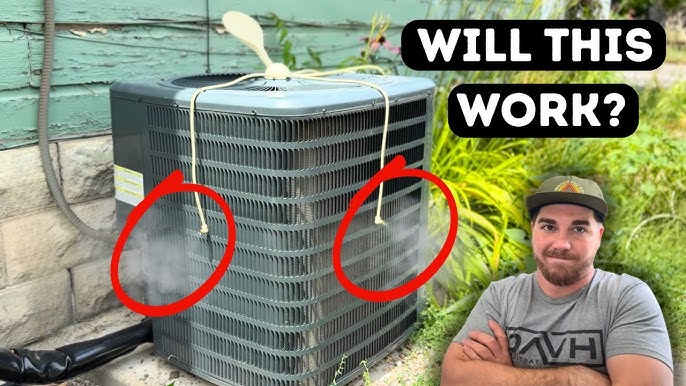
Is your air conditioner not cooling like it used to? You might be dealing with low or old coolant, which can make your space uncomfortable and your energy bills higher.
Replacing the coolant in your air conditioner might sound tricky, but it’s easier than you think—and doing it right can save you money and keep your home cool all summer long. In this guide, you’ll learn simple steps to replace your AC coolant safely and effectively.
Keep reading, and you’ll be back to enjoying crisp, refreshing air in no time.
Signs Of Low Coolant
Low coolantin an air conditioner causes several clear symptoms. The unit may not cool the air well. You might notice warm air blowing out instead of cold. The air conditioner could run longer than usual. Strange noises, like hissing or bubbling, can happen too. Sometimes, the system may freeze up or show ice on the coils. These signs mean the coolant is low and needs attention.
Coolant levels drop mainly because of leaks. Pipes, hoses, or connectors can crack or break. Wear and tear over time causes slow leaks. The system may lose coolant during regular use or repairs. Dirt and debris can damage parts and cause leaks. Without enough coolant, the air conditioner cannot work efficiently.
Tools And Materials Needed
Basic tools like a wrench, screwdriver, and container are essential. Coolant specific to your air conditioner model and safety gloves help complete the task safely.
Essential Equipment
To replace the coolant, gather a few important tools. A wrench is useful for loosening parts. A coolant refill kit is essential for the job. Use a drain pan to catch old coolant. A funnel helps pour the new coolant smoothly. A screwdriver might be needed to open panels. These tools make the work easier and safer.
Safety Gear
Safety gear is important when working with coolants. Gloves protect your hands from chemicals. Safety goggles keep your eyes safe. A mask helps avoid inhaling fumes. Wear a long-sleeved shirt to protect your arms. These items keep you safe while you work.
Preparing The Air Conditioner
Turn off the air conditioner before starting any work. Safety first. Unplug the unit from the power source to avoid accidents. Wait for a few minutes to let the system cool down. This prevents burns or injuries.
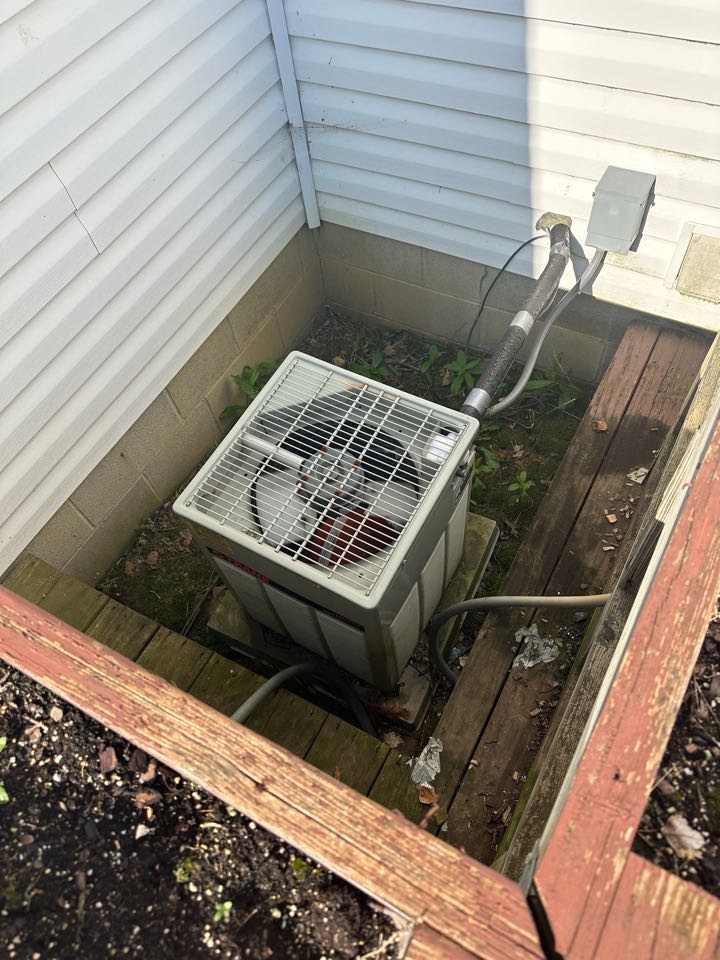
Look for the coolant lineson your air conditioner. These are usually metal tubes connected to the compressor. One line carries the coolant in, and the other carries it out. They may be covered with insulation or foam sleeves.
- Check near the compressor unit outside your home.
- Trace the pipes connected to the unit to find the coolant lines.
- Use a flashlight if the area is dark.

Credit: www.youtube.com
Draining Old Coolant
Locate the drain valve on the air conditioner unit. It is usually near the bottom or side. Use a wrench to loosen the valve carefully. Place a container under the valve to catch the old coolant. Open the valve slowly to avoid splashing. Let all the coolant drain out completely. Close the valve securely when done.
Old coolant can harm the environment. Never pour it down drains or on soil. Use a sealed container to store the drained coolant. Take it to a local recycling center or hazardous waste facility. Follow local rules for disposal to stay safe and legal. Proper disposal helps protect nature and health.
Refilling With New Coolant
Choosing the right coolant typeis very importantfor your air conditioner. Different AC models need different coolants. Check the manufacturer’s manualor label to find the correct type. Using the wrong coolant may damage the systemor make it less effective.
Follow these simple filling procedures for refilling coolant:
- Turn off the air conditioner and unplug it.
- Locate the coolant valve on the AC unit.
- Attach the refill hose securely to the valve.
- Slowly open the coolant container to let the fluid flow.
- Watch the pressure gauge to avoid overfilling.
- Close the valve tightly once filled.
- Clean any spills and plug the AC back in.
| Coolant Type | Common Use | Notes |
|---|---|---|
| R-22 | Older AC models | Phased out, less eco-friendly |
| R-410A | Newer AC models | More efficient, eco-friendly |
| R-134a | Some portable ACs | Check compatibility |

Credit: www.youtube.com
Checking For Leaks
Start with a visual inspectionof all AC components. Look closely at pipes, joints, and the compressor for any signs of leaks. Check for oily spots or wet areas, which show where coolant might escape. Use a bright flashlight for better visibility.
Pressure testinghelps find leaks that are hard to see. Connect a pressure gauge to the system and pressurize it with nitrogen or dry air. Watch the gauge for any pressure drops over time. A drop means there is a leak somewhere in the system.
Restarting And Testing The Ac
Turn the air conditioner back on carefully. Make sure the power is connected and the unit runs smoothly. Listen for any unusual sounds. Check if the fan is spinning normally.
Watch the temperature to see if the room cools down. This shows the coolant is flowing well. Look for leaks or drips near the unit. Any wet spots need fixing fast.
- Check the thermostat setting is correct.
- Feel the air coming from the vents.
- Note any strange noises or smells.
- Look at the coolant lines for damage.
Keep an eye on the AC for 15 to 30 minutes. This helps ensure it works right after refill. If problems continue, call a professional for help.
Credit: www.searsheatingcooling.com
Maintenance Tips
Check the coolant level in your air conditioner regularly. Low coolant can cause poor cooling and damage. Look for leaks or stains near the unit. Keep the area around the AC clean to avoid dirt buildup. Use a gauge to measure pressure if you know how. Coolant color should be bright and clear, not dark or cloudy.
Call a professional if you notice any leaks or low coolant repeatedly. Strange noises or poor cooling also need expert help. Professionals have the right tools and knowledge to refill coolant safely. Trying to fix major issues alone can cause more damage or harm.
Frequently Asked Questions
What Is The Best Coolant For Air Conditioners?
The best coolant for air conditioners is typically R-410A or R-22. Use the type recommended by your AC manufacturer. Proper coolant ensures efficient cooling and system longevity.
How Often Should Coolant Be Replaced In Ac Units?
Coolant should be replaced every 1 to 2 years or when leaks occur. Regular checks maintain system efficiency and prevent damage.
Can I Replace Ac Coolant Myself Safely?
Yes, but only if you have proper tools and knowledge. Handling refrigerants requires care to avoid health risks and system damage.
What Are Signs Of Low Coolant In Air Conditioners?
Signs include reduced cooling, longer run times, and ice buildup on coils. Low coolant affects performance and should be addressed promptly.
Conclusion
Replacing coolant in your air conditioner keeps it running smoothly. Regular checks help avoid costly repairs later. Always follow safety steps to protect yourself and your unit. Using the right coolant type matters for best results. Small efforts now save you time and money later.
Stay comfortable with a well-maintained air conditioner all year. Taking care of your AC ensures cool air when needed. Easy to do, worth the effort. Keep your home fresh and cool.