Have you ever wondered if the color of your fishing line really makes a difference? You might think it’s a small detail, but choosing the right color can change your entire fishing experience.
Whether you’re after clear water or murky lakes, your line color can affect how easily fish spot your bait—and how many bites you get. Keep reading, because understanding this simple choice could boost your catch and make your time on the water much more successful.

Credit: fishingbooker.com
Fishing Line Colors
Fishing line comes in many colors. Each color has a purpose for different fishing situations.
Choosing the right color can help catch more fish or avoid scaring them away.
Common Types Of Line Colors
Fishing lines are made in several colors to suit water and light conditions. Some colors blend in, while others stand out.
- Clear or Transparent: Hard to see in water, good for clear water.
- Green: Blends well in freshwater with plants.
- Blue: Works in deep or clear blue water.
- Brown or Tan: Matches muddy or stained water.
- Fluorescent Colors (Yellow, Orange): Easy to see above water for line control.
- Multi-Color or Meter Marked: Changes color every few meters to track line length.
Reasons For Different Colors
Different fishing line colors serve specific purposes. They help fishers see or hide the line as needed.
Colors affect how fish react and how anglers control their line. Some colors reduce visibility underwater, while others help watch the line above water.
- Camouflage: Colors that match the water reduce line visibility to fish.
- Visibility: Bright colors help anglers see the line above water.
- Depth Tracking: Multi-colored lines help measure how deep the bait is.
- Water Type: Different colors work best in clear, stained, or muddy water.
Visibility Underwater
Fishing line color affects how visible it is underwater. Fish see colors differently than humans do. Light changes as it goes through water.
Understanding color visibility helps anglers choose the right line. This can improve fishing success by making the line less noticeable to fish.
How Water Affects Color Perception
Water absorbs and scatters light, changing how colors appear. Red colors disappear first as you go deeper. Blue and green last longer underwater.
| Color | Visibility Depth | Effect |
|---|---|---|
| Red | Up to 5 feet | Fades quickly, less visible |
| Orange | Up to 10 feet | Dimmer, blends with water |
| Yellow | Up to 20 feet | Still visible but less bright |
| Green | Up to 40 feet | Mostly visible, natural look |
| Blue | 40 feet and beyond | Highly visible in deep water |
| Clear/Fluorescent | Varies | Depends on light and water |
Impact On Fish Behavior
Fish react to what they see. Bright fishing lines can scare them away. Some fish are more sensitive to certain colors.
- Clear lines are less visible and often safer.
- Green lines blend with plants and water.
- Bright lines can attract curious fish in murky water.
- Dark lines may be seen as a threat in clear water.
Matching Line Color To Water Conditions
Choosing the right fishing line color helps you catch more fish. The water’s color and clarity affect how visible your line is.
Matching your line color to the water makes your setup less visible to fish. This improves your chances of a bite.
Clear Water Choices
In clear water, fish can see your line easily. Use colors that blend with the water to stay hidden.
Clear or light blue lines work well in clean water. Fluorocarbon lines are nearly invisible underwater.
- Light blue lines match clear water
- Fluorocarbon lines are good for invisibility
- Clear monofilament lines work in glassy water
Murky Water Options
Murky water makes it hard for fish to see. Use brighter or darker line colors to stay visible to yourself.
Colors like green, brown, or dark gray blend with muddy water. These colors keep your line hidden but help you see it.
- Green lines blend with algae-filled water
- Brown lines work in muddy water
- Dark gray lines are good in stained water
Night Fishing Considerations
At night, fish rely less on sight. Bright or glow-in-the-dark lines help you see your line easily.
Using white or fluorescent lines helps with visibility. Glow lines also work well for night fishing.
- White lines show up well in low light
- Fluorescent lines increase visibility
- Glow-in-the-dark lines help track bites

Credit: www.youtube.com
Line Color And Angler Performance
Choosing the right fishing line color can impact how well an angler performs. The color affects how visible the line is to both the angler and the fish.
This article looks at how line color affects visibility and casting accuracy. Understanding these points helps anglers pick the best line color for their needs.
Line Visibility For Anglers
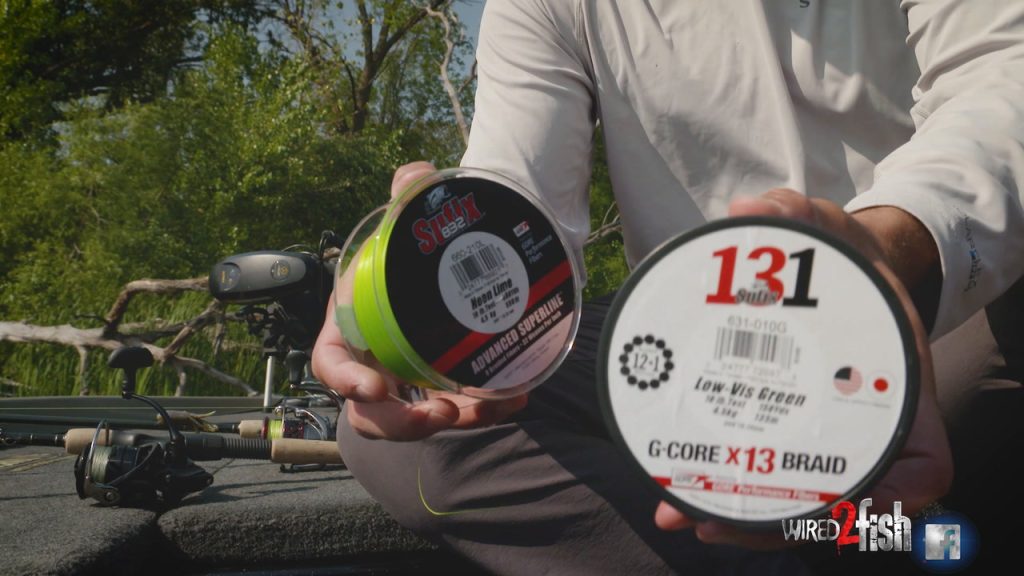
Anglers need to see their fishing line clearly. This helps them detect bites and control the line better. Bright colors like neon green or yellow stand out well above water.
- Bright lines make it easier to watch the line movement.
- Clear or light blue lines blend with water but are harder to see above water.
- Dark lines are less visible to fish but can be tough for anglers to track.
- Some anglers use multi-colored lines to judge depth and distance.
Line Color And Casting Accuracy
| Line Color | Casting Accuracy |
| Bright Colors | Helps aim better by tracking line in air |
| Clear or Camouflage Colors | May reduce visibility, lowering accuracy |
| Dark Colors | Can be hard to see, affecting cast control |
Choosing a line color depends on fishing conditions and personal preference. Anglers should balance visibility with the chance of spooking fish.
Testing Line Color Effectiveness
Fishing line color may affect how fish see the line. Testing helps find the best colors for different water types.
This article looks at studies and real experiences to see if line color really matters to fish.
Scientific Studies And Experiments
Scientists have tested fishing line colors in clear and murky water. They measure how often fish bite on different colored lines.
- Clear water usually shows brighter lines more easily.
- In murky water, darker or camo colors blend better.
- Some studies use underwater cameras to watch fish reactions.
- Fluorescent colors may work well in low light.
| Water Type | Effective Line Colors | Comments |
| Clear Water | Green, Blue, Clear | Lines are less visible to fish |
| Murky Water | Brown, Camouflage | Lines blend with water and bottom |
| Low Light | Fluorescent Yellow, Chartreuse | Lines stand out to anglers, less to fish |
Angler Experiences And Anecdotes
Many anglers share stories about which line colors catch more fish. Their tips come from years on the water.
- Some say clear lines work best on sunny days.
- Others prefer bright colors to track their line easily.
- Camouflage lines help in weedy or rocky spots.
- Changing line color during a trip can help find what works.
Tip from an angler:“I switch to green line in spring and brown line in fall. It helps me catch more trout.”
Alternatives To Colored Lines
Fishing line color can affect how fish see your bait. Some anglers choose alternatives to colored lines. These options help reduce line visibility underwater.
Here are some common alternatives that improve fishing without using bright or unnatural colors.
Fluorocarbon Lines
Fluorocarbon lines are almost invisible underwater. They bend light like water, making them hard for fish to see. This helps catch shy or easily scared fish.
Fluorocarbon is also strong and resists abrasion well. It sinks faster than other lines, which can be good for certain fishing techniques.
Braided Lines
Braided lines are made of woven fibers, making them very strong and thin. They do not stretch much, giving better control of your lure or bait.
- Braid lines come in many colors, but some anglers prefer neutral shades.
- Using a clear or green braid can blend better with water and plants.
- When braided line is visible, anglers add a fluorocarbon leader for invisibility near the bait.
Camouflage Techniques
Camouflage techniques help hide the fishing line from fish and other animals. Using line colors that match the water or surroundings is common.
| Technique | Description | Best Use |
|---|---|---|
| Water-Matched Line Color | Choose line colors similar to water color | Clear lakes, rivers |
| Leader Use | Attach clear or light line close to bait | All water types |
| Line Wrap Camouflage | Wrap line with natural materials or tape | Still water and shore fishing |
Credit: reactiontackle.com
Frequently Asked Questions
Does Fishing Line Color Affect Fish Bites?
Yes, fishing line color can impact fish bites. Clear or natural colors are less visible underwater, attracting more fish. Bright colors may scare fish but help anglers track the line. Choose line color based on water clarity and fish species.
What Color Fishing Line Works Best In Clear Water?
In clear water, transparent or light green lines work best. These colors blend with the surroundings and reduce line visibility. This helps avoid spooking fish and increases catch rates. Anglers often prefer fluorocarbon or clear monofilament in such conditions.
Is Bright-colored Fishing Line Easier To See?
Yes, bright-colored fishing lines are easier for anglers to see. Colors like neon green or orange improve line visibility above water. This helps detect bites and manage line tension. However, bright colors may be more visible to fish underwater.
Can Fishing Line Color Affect Casting Distance?
Fishing line color has minimal effect on casting distance. Factors like line material, diameter, and weight influence casting more. Choose color mainly for visibility and fish attraction rather than casting performance. Proper technique matters most for casting distance.
Conclusion
Choosing the right fishing line color can affect your catch. Clear lines blend well in clean water. Green and blue lines work better in colored water. Bright colors help you see your line easily. Fish can notice colors differently, so match the water.
Small changes in color can make a big difference. Try different colors to find what works best. Fishing is about patience and testing new ideas. Keep it simple, and enjoy your time by the water. Your success can improve with the right fishing line color.