If you want to catch more trout, setting up your fishing line the right way is key. The right line can make a huge difference in how well you cast, how natural your bait looks, and how many fish you reel in.
Whether you’re new to trout fishing or just want to improve your skills, this guide will walk you through each step clearly and simply. By the end, you’ll know exactly how to set up your line for the best results.
Ready to boost your trout fishing success? Keep reading and get ready to catch more fish!

Credit: mysterytacklebox.com
Choosing The Right Line
Picking the right fishing line is key for trout fishing success. The line affects casting, fish fighting, and lure action.
Knowing the differences in line types helps you choose the best one for your fishing needs.
Monofilament Vs. Braided Lines
Monofilament and braided lines are the two main types used by trout anglers. Each has strengths and weaknesses.
- Monofilament:Soft, stretches under load, good for beginners and light tackle.
- Braided:Thin and strong, no stretch, good for heavy cover and long casts.
- Monofilament is easier to knot and less visible in water.
- Braided line lasts longer and resists abrasion better.
Line Strength And Diameter
Line strength and diameter affect how you handle trout and how far you cast.
| Line Type | Strength Range (lbs) | Diameter Range (inches) | Best Use |
|---|---|---|---|
| Monofilament | 2 – 12 | 0.006 – 0.020 | Light to medium fishing, good knot holding |
| Braided | 4 – 30 | 0.005 – 0.015 | Heavy cover, long casts, less stretch |
Considering Water Conditions
Water clarity and depth change the line choice for trout fishing.
- Clear water: Use thinner, less visible monofilament lines.
- Murky water: Braided lines with bright colors help you see the line.
- Deep water: Choose lines with higher strength to handle pressure and fish size.
- Fast currents: Stronger lines resist drag and help control the fish.
Selecting The Leader And Tippet
Setting up your line for trout fishing involves choosing the right leader and tippet. These components are crucial for successful fishing.
A good leader and tippet will help present the fly naturally to the fish. Let’s explore what to consider when choosing them.
Material Options
Leaders and tippets are made from different materials. The most common are monofilament and fluorocarbon.
- Monofilament is flexible and clear, great for surface flies.
- Fluorocarbon is nearly invisible underwater, ideal for nymphs.
Length And Strength
The length and strength of the leader and tippet affect casting and control. Longer leaders are useful in clear water.
| Water Type | Leader Length |
| Clear Water | 9 to 12 feet |
| Murky Water | 7 to 9 feet |
Choose a tippet strength based on the size of the fish you expect to catch. Lighter tippets are less visible.
Matching To Fly Size
Matching the tippet size to the fly is important. A balanced setup casts better and is more effective.
For small flies, use a thin tippet. For large flies, a thicker tippet works best.
Setting Up The Rod And Reel
Setting up your rod and reel correctly is important for trout fishing. It helps you cast better and catch more fish.
Follow simple steps to attach the line, spool it right, and keep the line tight. This makes your fishing experience smoother.
Attaching The Line To The Reel
Start by tying the fishing line to the reel spool. Use a strong knot to hold the line firmly.
The Arbor knot is a good choice. It is simple and holds the line tightly to the reel.
- Pass the line around the spool.
- Tie an overhand knot around the main line.
- Tie a second overhand knot at the tag end.
- Pull both knots tight and trim the excess line.
Spooling Techniques
Spooling means winding the line onto the reel spool. Do this carefully to avoid tangles and twists.
Keep the line tight and spool it evenly across the reel. This helps the line flow smoothly when you cast.
- Place the reel on the rod.
- Hold the line spool so it spins the same way as the reel.
- Keep tension on the line with your fingers.
- Turn the reel handle slowly to wind the line.
- Fill the spool until it is nearly full, leaving a small gap.
Maintaining Line Tension
Keep the line tight while spooling. Loose line causes knots and tangles later.
Use your fingers or a cloth to hold the line firmly as you reel it in. Check the tension often.
- Hold the line between your fingers or with a cloth.
- Keep steady pressure as you spool the line.
- Stop if the line feels loose or twists form.
- Adjust tension before continuing.

Credit: www.youtube.com
Knot Tying Essentials
Knowing the right knots can make trout fishing easier and more effective. Good knots keep your line strong and secure.
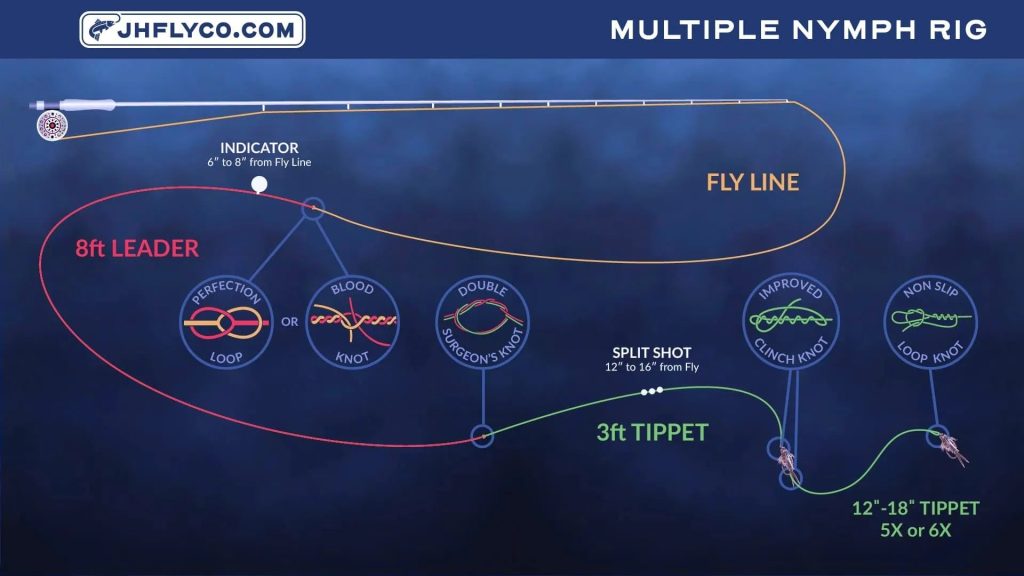
We will cover three important knots: the Improved Clinch Knot, the Loop Knot for Fly Presentation, and the Surgeon’s Knot for Leaders.
Improved Clinch Knot
The Improved Clinch Knot is popular for tying the fishing line to hooks or lures. It is strong and easy to tie.
- Thread the line through the hook eye.
- Wrap the tag end around the standing line 5-7 times.
- Pass the tag end through the small loop near the hook eye.
- Then pass it through the big loop just created.
- Moisten the knot and pull tight.
Loop Knot For Fly Presentation
This knot helps the fly move naturally in the water. It creates a small loop that lets the fly swing freely.
| Step | Action |
|---|---|
| 1 | Make an overhand knot in the line, leaving a long tag end. |
| 2 | Pass the tag end through the eye of the fly. |
| 3 | Pull the tag end back through the overhand knot. |
| 4 | Adjust the loop size for free fly movement. |
| 5 | Moisten and tighten the knot carefully. |
Surgeon’s Knot For Leaders
The Surgeon’s Knot is great for joining two lines, like your main line and leader. It is strong and simple.
- Overlap the ends of the two lines.
- Make a simple overhand knot with both lines.
- Pass the ends through the loop a second time.
- Tighten the knot by pulling both standing lines.
- Trim the tag ends close to the knot.
Line Management Tips
Good line management helps you catch more trout. It stops problems like tangles and weak spots.
These tips will keep your fishing line smooth and strong for every trip.
Avoiding Line Memory
Line memory makes your line curl and loop on the reel. This causes bad casts and weak knots.
To avoid line memory, straighten your line often and use fresh line regularly.
- Pull the line tight and let it hang to straighten
- Use line conditioners to reduce stiffness
- Replace old line every season or after many uses
Preventing Twists And Tangles
Twists and tangles can make fishing frustrating. They happen when the line spins too much or knots up.
Use these tips to keep your line smooth and ready to cast.
- Use a swivel to stop line twisting
- Keep tension on the line when reeling in
- Check your line often for knots and remove them
Proper Storage Techniques
Storing your fishing line correctly keeps it strong and ready to use. Heat and sunlight can damage the line.
Store your line in a cool, dry place away from direct sun to keep it lasting longer.
- Keep the line on the reel or spool when not in use
- Use a sealed container to protect from dust and moisture
- Do not store line in very hot or very cold places
Adjusting For Different Trout Species
Trout fishing requires careful line setup. Different trout species need different line types and strengths. Adjusting your line helps catch more fish and keeps your gear safe.
This guide explains how to set up your fishing line for stream trout, lake trout, and how to adapt for seasonal changes.
Line Setup For Stream Trout
Stream trout are usually smaller and live in moving water. Use a lighter line to avoid scaring them. A 4-6 pound test line works well.
Use a clear or light green line to blend with the water. A thin line helps with casting in tight spots along the stream.
- Line strength: 4-6 pounds
- Line color: Clear or light green
- Line type: Monofilament or fluorocarbon
Line Setup For Lake Trout
Lake trout are bigger and stronger. Use a heavier line to handle their size and strength. A 10-15 pound test line is best.
Choose a line with good abrasion resistance. Braided or fluorocarbon lines work well in lakes where trout hide near rocks.
- Line strength: 10-15 pounds
- Line color: Dark green or blue
- Line type: Braided or fluorocarbon
Adapting To Seasonal Changes
Trout behavior changes with the seasons. Adjust your line weight and type to match these changes. Use lighter lines in spring and heavier in fall.
Winter needs clear lines for better stealth. Summer may need stronger lines due to thicker weeds and cover.
- Spring: 4-6 pound clear line
- Summer: 6-10 pound fluorocarbon or braided line
- Fall: 10-15 pound strong line for larger trout
- Winter: Clear, light lines for better visibility
Common Mistakes To Avoid
Setting up a line for trout fishing is important to catch more fish. Many people make simple mistakes that reduce their chances.
Avoiding these common errors helps your fishing line work better and last longer.
Overlooking Line Maintenance
Many anglers forget to check their fishing line regularly. Dirt, sun, and water can weaken the line over time.
Failing to clean or replace a worn line can cause it to break when you catch a trout.
- Check the line for cracks or frays before fishing
- Rinse the line with fresh water after use
- Store the line away from direct sunlight and heat
- Replace old line at least once a season
Using The Wrong Line Weight
Choosing a line weight that is too heavy or light can hurt your fishing. Trout need a line that matches their size and the fishing spot.
Using the wrong line weight makes casting harder and scares the fish away.
- Light lines (2-6 lb) work well for small trout and clear water
- Medium lines (6-10 lb) suit larger trout or thicker cover
- Heavy lines (10+ lb) are for big trout or strong currents
- Match your line weight to your rod and reel specifications
Neglecting Knot Strength
Tying weak knots is a common mistake. Weak knots can slip or break, causing you to lose fish.
Use strong knots and practice tying them well to keep your line secure.
- Try knots like Improved Clinch or Palomar for strength
- Moisten knots before tightening to avoid friction damage
- Pull knots tight and trim excess tag ends
- Check knots often during fishing trips
Advanced Tips For Expert Anglers
Setting up your fishing line correctly helps catch more trout. Experts use special techniques for better results.
These tips focus on using indicator lines, customizing line color, and tuning your line for specific flies.
Using Indicator Lines
Indicator lines show subtle bites on the water surface. They help detect when trout take your fly.
Choose a thin, bright-colored indicator line for better visibility. Attach it between your leader and fly line.
- Use a short indicator line for faster rivers
- Longer indicators work well in still water
- Adjust the indicator length based on drift speed
- Use a floating indicator for dry fly fishing
Customizing Line Color
Line color affects visibility for both angler and trout. Pick colors that blend with water conditions.
Match your line color to the water clarity and light level. This reduces line spooking the fish.
- Clear or light green lines work in clear water
- Olive or brown lines suit stained or murky water
- Bright lines help track line in low light
- Change color based on the season or time of day
Tuning Line For Specific Flies
Tuning your line means adjusting its weight and taper for your fly. This improves casting and presentation.
Heavier lines help cast bigger flies. Lighter lines work better with delicate dry flies.
| Fly Type | Recommended Line Weight | Line Taper |
|---|---|---|
| Dry Flies | 3-5 weight | Fine front taper for soft landings |
| Nymphs | 4-6 weight | Medium taper for good control |
| Streamers | 6-8 weight | Heavier head for distance casting |

Credit: www.reddit.com
Frequently Asked Questions
What Type Of Fishing Line Is Best For Trout?
Monofilament lines are best for trout due to their flexibility and invisibility underwater. Fluorocarbon lines offer better abrasion resistance. Choose 4-6 lb test strength for typical trout fishing conditions.
How Do I Properly Attach A Line To My Reel?
Thread the line through the reel’s guides, then tie a secure arbor knot to the spool. Ensure the line is tight and evenly wound to prevent tangles during casting.
What Is The Ideal Line Weight For Trout Fishing?
A 4-6 lb test line is ideal for most trout fishing. It balances strength and sensitivity, allowing for better hook sets and less line visibility in clear water.
How Can I Reduce Line Visibility In Clear Water?
Use fluorocarbon lines or light-colored monofilament for less visibility. Also, keep your line taut and avoid slack to prevent trout from detecting it.
Conclusion
Setting up a line for trout fishing takes some practice and care. Choose the right line and knots to match your fishing spot. Keep your setup simple and strong for better results. Check your gear often to avoid surprises. Enjoy the calm and patience that trout fishing offers.
With each cast, you get closer to a great catch. Stay focused, keep learning, and have fun by the water. Trout fishing rewards those who prepare well and fish smart.