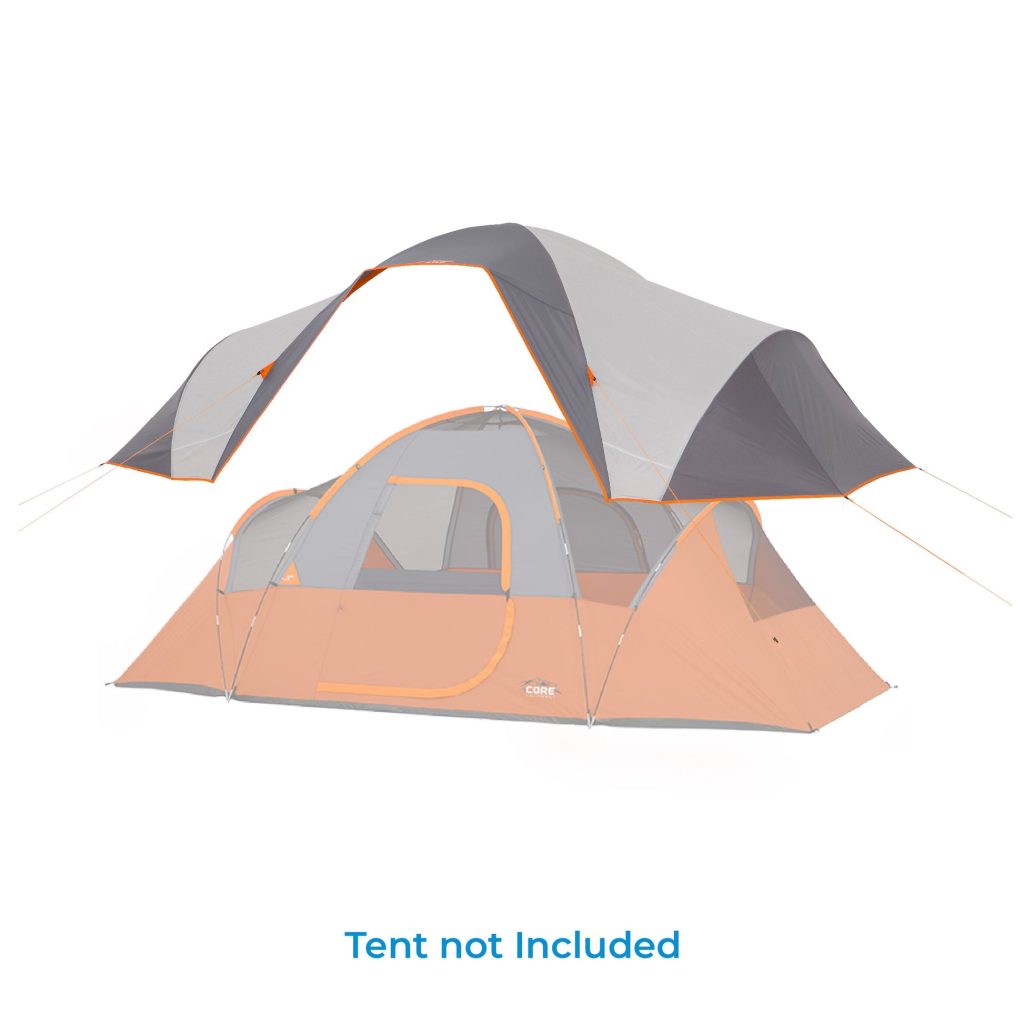
Have you ever wondered why some tents come with an extra layer on top? That extra layer is called a rainfly, and it can make a huge difference in your camping experience.
Imagine waking up dry and cozy, even when the rain pours down all night. Understanding what a rainfly is and how it works can protect you from unexpected weather and keep your gear safe. Keep reading to discover how this simple piece of equipment can change the way you camp for the better.
Purpose Of A Rainfly
A rainfly is an extra layer of fabric that covers your tent. It protects the tent from rain and other weather elements.
Using a rainfly helps keep the inside of your tent dry and comfortable during your outdoor trips.
Protecting From Rain
The rainfly acts as a waterproof shield over your tent. It stops rainwater from reaching the tent walls and floor.
By covering the tent, the rainfly keeps you dry even in heavy rain or storms.
- Blocks rain from soaking the tent fabric
- Prevents leaks inside the tent
- Keeps your gear dry under the tent
Enhancing Tent Durability
The rainfly protects your tent from sun damage and wind. It reduces wear and tear on the tent fabric.
This extra layer helps your tent last longer by shielding it from harsh weather conditions.
- Protects tent fabric from UV rays
- Reduces damage from wind and debris
- Extends the life of your tent
Improving Ventilation
A rainfly allows air to flow between it and the tent. This helps reduce moisture inside the tent.
Good ventilation stops condensation and keeps the tent fresh and comfortable.
- Creates space for air to move
- Prevents buildup of moisture inside
- Keeps the tent cooler in warm weather
Types Of Rainflies
A rainfly is a cover that protects a tent from rain. It keeps the inside dry and helps with ventilation.
There are different types of rainflies. Each type offers different levels of coverage and protection.
Full Coverage Rainflies
Full coverage rainflies cover the entire tent. They protect the roof and walls from rain and wind.
This type is best for heavy rain and strong weather. It keeps you very dry and warm inside the tent.
- Protects the whole tent
- Good for bad weather
- Can add extra warmth
- Usually heavier and bulkier
Partial Rainflies
Partial rainflies cover only the top part of the tent. They shield the roof but leave some walls open.
This type offers good rain protection while allowing more airflow. It is lighter and easier to set up.
- Covers mostly the roof
- Allows better ventilation
- Lighter and compact
- Less protection in strong wind
Tarp-style Rainflies
Tarp-style rainflies are large sheets of fabric. You can set them up in many ways over your tent.
They are very versatile and lightweight. You can use them to cover the tent or create a shelter outside.
- Flexible setup options
- Lightweight and compact
- Good for extra shelter
- Needs skill to pitch well
Materials Used For Rainflies
A rainfly is a special cover for a tent. It protects the tent from rain and wind. Rainflies are made from different materials. These materials must be strong and water-resistant.
Choosing the right material helps keep you dry and comfortable. Let’s look at common materials used to make rainflies.
Ripstop Nylon
Ripstop nylon is a lightweight and strong fabric. It has a special weave that stops small tears from growing bigger. This makes it very durable for outdoor use.
Ripstop nylon is water-resistant but usually needs a coating to keep rain out. It dries quickly and packs small, making it good for backpackers.
Polyester
Polyester is a tough fabric that resists stretching and shrinking. It handles sunlight better than nylon, so it lasts longer in bright sun.
This material holds water well when coated. Polyester rainflies often feel heavier but are very strong and reliable in bad weather.
Silicone-coated Fabrics
Silicone-coated fabrics are nylon or polyester treated with silicone. This coating makes the fabric very waterproof and shiny.
The silicone also adds strength and helps the fabric resist tears and UV damage. These rainflies last longer and protect better in heavy rain.

Credit: www.amazon.ca
How To Set Up A Rainfly
A rainfly is a waterproof cover that goes over your tent. It protects you from rain and wind. Setting it up right keeps you dry and comfortable.
Follow simple steps to attach and secure your rainfly. Adjust it based on the weather for best protection.
Attaching To The Tent
Start by spreading the rainfly over your tent. Match its corners with the tent’s corners. Use hooks, clips, or Velcro to attach it firmly.
Make sure the rainfly covers the tent roof and walls. Check that no part of the tent is left exposed to rain.
Securing With Stakes And Guy Lines
Use stakes to anchor the rainfly edges to the ground. This stops it from moving in the wind. Pull the guy lines tight and fasten them to secure points.
- Place stakes at rainfly corners and sides
- Tighten guy lines to avoid sagging
- Check all attachments before bad weather
Adjusting For Weather Conditions
In heavy rain, lower the rainfly closer to the ground. This helps keep rain out. Leave space for air to flow under the fly to reduce moisture inside.
In windy weather, tighten all straps and guy lines. Remove slack to stop flapping. This protects the tent and keeps you safe.
Benefits Beyond Rain Protection
A rainfly is a cover that goes over a tent. It stops rain from getting inside.
Besides keeping water out, a rainfly offers other useful benefits for campers.
Shade And Uv Protection
A rainfly creates shade around your tent. This helps keep the inside cooler on sunny days.
The fabric also blocks harmful UV rays. This protects your skin and your gear from sun damage.
- Reduces heat inside the tent
- Protects from sunburn
- Prevents fading of tent material
Condensation Reduction
Condensation happens when warm air hits cold surfaces inside a tent. It causes water drops to form.
A rainfly helps reduce this moisture by allowing air to flow outside the tent. This keeps the inside drier.
- Improves air circulation
- Limits dampness inside
- Prevents wet sleeping bags and clothes
Additional Privacy
The rainfly adds a layer between you and the outside world. This makes your tent less visible.
It blocks the view from outside, giving you more privacy in crowded campsites or public areas.
- Blocks light from inside the tent
- Prevents people from seeing your gear
- Creates a private camping space

Credit: www.amazon.ca
Choosing The Right Rainfly
A rainfly is an extra layer that covers your tent. It helps keep rain and wind out. Picking the right rainfly protects you and your gear during bad weather.
Rainflies come in different shapes, sizes, and materials. You should consider several things before buying one. This guide covers key points to help you choose well.
Compatibility With Tent Models
Not all rainflies fit every tent. Check the size and shape of your tent first. A rainfly that fits well will cover the tent completely. It should not touch the tent walls to avoid leaks.
- Match the rainfly size to your tent’s floor size
- Choose the right shape: dome, tunnel, or cabin style
- Look for attachment points that align with your tent’s clips or poles
- Consider rainflies made by the tent’s manufacturer for best fit
Weight And Packability
Weight matters if you hike or camp for long periods. A heavy rainfly adds bulk to your pack. Look for lightweight materials like nylon or polyester with waterproof coatings.
| Material | Weight | Pack Size |
| Nylon | Light | Small |
| Polyester | Medium | Medium |
| Canvas | Heavy | Large |
Choose a rainfly that balances durability and weight. Thin rainflies pack small but may wear out faster. Think about how much space you have in your backpack.
Budget Considerations
Rainflies vary in price depending on material and brand. Set a budget before you shop. Spending more can mean better quality and longer life.
- Cheap rainflies may leak or tear easily
- Mid-range options offer good protection and durability
- High-end rainflies use advanced fabrics and coatings
- Check reviews to find value for your money

Credit: www.davistent.com
Frequently Asked Questions
What Is The Purpose Of A Rainfly On A Tent?
A rainfly protects your tent from rain and moisture. It acts as an outer waterproof layer. This keeps the tent interior dry and comfortable during wet weather conditions.
How Does A Rainfly Improve Tent Ventilation?
A rainfly allows air to circulate while blocking rain. It prevents condensation buildup inside the tent. This enhances comfort by maintaining airflow and reducing dampness.
Can A Tent Be Used Without A Rainfly?
Yes, but using a tent without a rainfly risks water leakage. The tent fabric alone usually isn’t fully waterproof. A rainfly ensures better protection from rain and wind.
Are All Rainflies The Same Size And Shape?
No, rainflies vary by tent model and design. They are tailored to fit specific tents for maximum coverage. Using the correct rainfly ensures proper shelter and protection.
Conclusion
A rainfly keeps your tent dry during rain and bad weather. It covers the top of the tent and stops water from getting inside. Using a rainfly makes camping more comfortable and safe. It also helps keep wind and bugs away.
Always carry a rainfly if you plan to camp outdoors. It is a simple tool that protects you well. Knowing what a rainfly is helps you prepare better for camping trips. Stay dry, stay happy.