Have you ever looked at your motorcycle tire and wondered what all those numbers and letters mean? If you have, you’re not alone.
Understanding these numbers is more important than you might think. They tell you about the tire’s size, strength, speed rating, and more—details that can affect your safety and riding experience. You’ll discover exactly how to read those numbers and why they matter for your bike.
Keep reading, and you’ll never look at your motorcycle tires the same way again.

Credit: cheaptiresasap.com
Decoding Tire Size Numbers
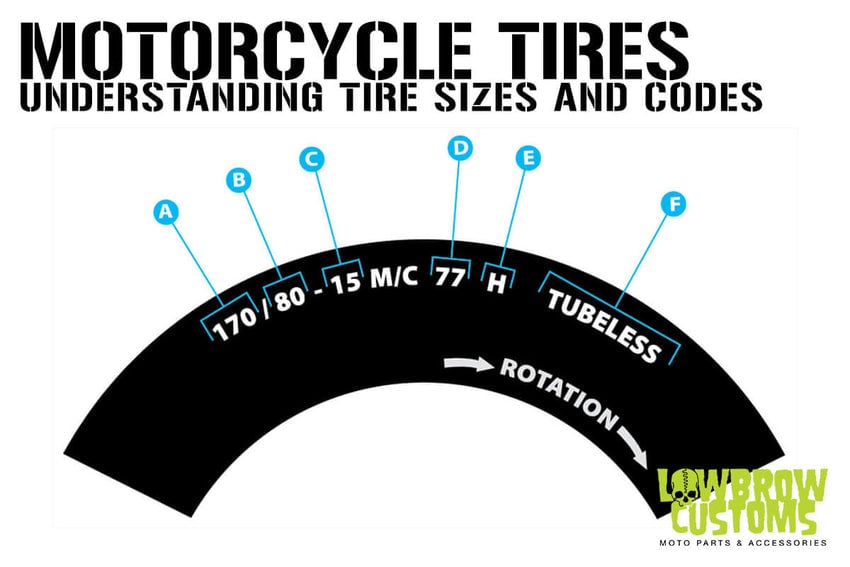
Motorcycle tires have numbers and letters on their sidewalls. These codes tell you the size and type of the tire. Understanding these numbers helps you pick the right tire for your bike.
Each part of the tire code means something specific. Let’s break down the main parts of the tire size numbers.
Width And Aspect Ratio
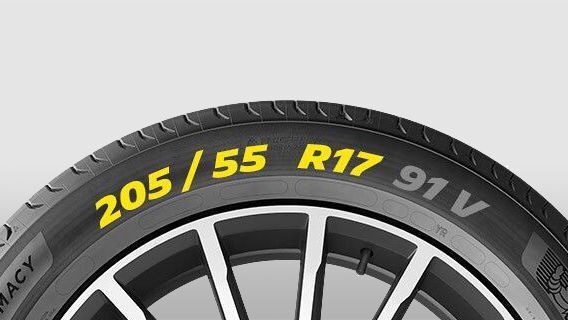
The first number in the tire code is the width. It shows how wide the tire is in millimeters from sidewall to sidewall.
The number after the slash is the aspect ratio. It is the height of the tire’s sidewall as a percentage of the width.
- Width example: 180 means 180 mm wide
- Aspect ratio example: 55 means the height is 55% of the width
Rim Diameter
This number shows the size of the wheel rim the tire fits. It is measured in inches and comes after the aspect ratio.
For example, a rim diameter of 17 means the tire fits a 17-inch wheel.
Load Index And Speed Rating
The load index is a number that tells the tire’s maximum weight limit. The speed rating is a letter that shows the highest speed the tire can safely handle.
| Load Index | Max Load (lbs) |
| 62 | 1323 |
| 65 | 1499 |
| 70 | 1587 |
| 75 | 1929 |
| 80 | 1764 |
- Speed rating example: H means up to 130 mph
- Speed rating example: V means up to 149 mph
- Check tire sidewall for exact codes
Credit: www.michelin.ca
Understanding Tire Construction Codes
Motorcycle tires have numbers and letters on their sidewalls. These codes tell you about the tire’s size and type.
One important part of these codes shows how the tire is built. This affects how the tire performs on the road.
Radial Vs Bias Ply
Radial and bias ply are two ways tires are made. They differ in how the layers inside the tire are arranged.
- Radial tireshave layers running across the tire from side to side. This gives better grip and a smoother ride.
- Bias ply tireshave layers running diagonally. This makes the tire strong and good for heavy loads.
- Radial tires usually last longer and handle heat better.
- Bias ply tires are often cheaper and work well on rough roads.
Tire Ply Rating
The ply rating shows how many layers are inside the tire. It does not always mean the tire has that many layers today.
| Ply Rating | Meaning |
| 4 Ply | Lightweight, less load capacity |
| 6 Ply | Medium strength and load capacity |
| 8 Ply | Heavy duty, more load capacity |
| 10 Ply or more | Extra strong for heavy loads |
Interpreting Manufacturing Date Codes
Motorcycle tires have numbers that tell you important things. One key set shows when the tire was made. This helps you know if the tire is still safe to use.
Understanding these codes can keep you safe on the road. It also helps you avoid using old or expired tires.
Dot Code Breakdown
The DOT code is a set of letters and numbers on the tire sidewall. It shows where and when the tire was made. The last four digits tell the tire’s age.
- The first two digits of the last four show the week of manufacture.
- The last two digits show the year of manufacture.
- For example, “2319” means the tire was made in the 23rd week of 2019.
Tire Age And Safety
Tires get weaker as they age, even if not used much. Most experts say to replace tires after 5-6 years. Old tires can crack and lose grip.
Always check the DOT code before buying or using a tire. Using fresh tires helps you stay safe and avoid accidents.
Reading Pressure Recommendations
Motorcycle tires have numbers that tell you the right air pressure. Proper pressure keeps your ride safe and smooth.
Knowing how to read these numbers helps you avoid problems like tire wear or poor handling.
Optimal Psi Values
PSI stands for pounds per square inch. It shows how much air is in the tire. The right PSI keeps the tire firm but not too hard.
Look on the tire sidewall or the motorcycle’s manual to find the recommended PSI. It usually ranges between 28 and 40 PSI for most bikes.
- Check PSI when tires are cold
- Use a reliable pressure gauge
- Adjust pressure for load and speed
Impact On Performance And Safety
Proper tire pressure improves how the bike handles corners and stops. Too low or too high PSI can make riding dangerous.
Low pressure causes tire wear and can lead to blowouts. High pressure reduces grip and comfort on the road.
- Correct PSI gives better traction
- Maintains fuel efficiency
- Reduces risk of accidents
Spotting Wear Indicators
Motorcycle tires have numbers and marks that tell you about their condition. One important feature is the wear indicators. These help you know when the tire needs replacement.
Learning to spot these indicators can keep you safe. It also helps you avoid problems caused by worn-out tires.
Tread Wear Indicators
Tread wear indicators are small raised bars in the tire grooves. They show the minimum safe tread depth. When the tread wears down to these bars, the tire is near the end of its life.
You can find these bars inside the grooves around the tire. Check them regularly to see if the tread is level with the bars. This means the tire needs to be changed soon.
- Wear bars are usually 1-2 mm high
- They run across the tread grooves
- When tread touches bars, tread depth is low
- Low tread means less grip and more risk
When To Replace Tires
Replace your motorcycle tires once the tread reaches the wear indicators. Also, check for cracks, cuts, or bulges. These signs mean the tire may fail soon.
Do not wait too long to change tires. Old or worn tires reduce control and increase accident risk. Change tires if you notice any damage or poor performance.
- Replace tires when tread is at wear bars
- Change tires if you see cracks or cuts
- Bulges on tires need immediate attention
- Low tread reduces road grip and safety
Understanding Grip And Compound Info
Motorcycle tire numbers give more than size details. They tell about the tire’s grip and compound. This info helps riders choose the right tire for their needs.
The tire compound affects how well the tire sticks to the road. Different compounds suit different riding styles and conditions.
Tire Compound Types
Tire compounds are made from different rubber mixes. Soft compounds offer better grip but wear out faster. Hard compounds last longer but have less grip.
- Soft Compounds: Better grip, shorter life
- Hard Compounds: Longer life, less grip
- Medium Compounds: Balanced grip and durability
Effect On Traction
The compound type affects traction on different surfaces. Soft tires grip well on wet and smooth roads. Hard tires work better on rough or hot surfaces.
Choosing the right compound improves safety and riding comfort. It helps riders control their bike better in various conditions.

Credit: www.reddit.com
Frequently Asked Questions
What Do The Numbers On Motorcycle Tires Signify?
The numbers on motorcycle tires indicate size, type, and performance specifications. They include width, aspect ratio, and wheel diameter. These numbers are crucial for selecting the right tire for your motorcycle. Proper understanding ensures safety, optimal performance, and longevity.
How Do I Read Motorcycle Tire Numbers?
Reading motorcycle tire numbers involves understanding the sequence: width, aspect ratio, and diameter. For example, in 120/70R17, ‘120’ is the width in millimeters, ’70’ is the aspect ratio, and ’17’ is the wheel diameter in inches. This information is vital for correct tire replacement.
Why Is Tire Size Important For Motorcycles?
Tire size is critical for a motorcycle’s handling, safety, and performance. Correct sizing ensures proper grip, stability, and fuel efficiency. Incorrect tire size can lead to handling issues and increased wear. Always consult your motorcycle’s manual for recommended tire sizes.
Can I Use Different Tire Sizes On My Motorcycle?
Using different tire sizes than recommended can affect handling and safety. It may lead to instability, reduced traction, and abnormal wear. Always stick to manufacturer-recommended sizes for optimal performance. Consult a professional if considering a size change for specific riding conditions.
Conclusion
Understanding the numbers on a motorcycle tire helps you choose the right one. These numbers tell you about size, speed, and load limits. Knowing this keeps you safe and improves riding comfort. Tires with correct numbers fit better and last longer.
Always check these numbers before buying a new tire. Riding with the right tire means better control on the road. Simple details can make a big difference in your ride. Keep your bike ready by paying attention to tire numbers.