Are you tired of sweating through your car rides during hot days? Installing an air conditioner in your car can make every trip comfortable and enjoyable.
But how do you put an air conditioner in your car without spending a fortune or struggling with complicated steps? You’ll discover simple, clear instructions to help you cool down your vehicle quickly and efficiently. Keep reading, and you’ll learn everything you need to know to beat the heat and drive in comfort.

Credit: www.amazon.com
Choosing The Right Air Conditioner
Choosing the right car air conditionerdepends on your needs and car type. There are several types of car air conditionersavailable. Some cool the whole car, while others cool just the driver or small areas.
- Window-mounted units:Easy to install and remove. Suitable for small cars.
- Portable air conditioners:Can be moved and used in different cars.
- Built-in systems:Installed inside the car. Offer better cooling but need professional help.
Important factors to consider before purchaseinclude:
- Size of your car and space for the AC unit.
- Power source: battery, engine, or external power.
- Cooling capacity to match your climate and car size.
- Ease of installation and maintenance.
- Budget and long-term costs.

Credit: www.youtube.com
Gathering Necessary Tools And Materials
Gather all essential toolsbefore starting the air conditioner installation. This helps to work smoothly and saves time. Basic tools include:
- Screwdrivers (flathead and Phillips)
- Wrench set
- Wire cutters and strippers
- Drill with bits
- Measuring tape
- Socket set
- Vacuum pump (for refrigerant)
Safety is important. Use protective gearlike gloves and safety glasses. Wearing a mask is good when working with chemicals or dust. Always keep a fire extinguisher nearby.
Preparing Your Car
Find a flat and open spaceinside the car for the air conditioner. The area must allow air to flow freely. Common spots include under the dashboard or near the front vents. Avoid placing the unit where it blocks driving controls or safety features.
Before starting the installation, disconnect the car battery. This step is very important to prevent electric shocks or short circuits. Use a wrench to remove the negative terminal first, then the positive. Keep the cables apart to avoid accidental contact.
Installing The Air Conditioner Unit
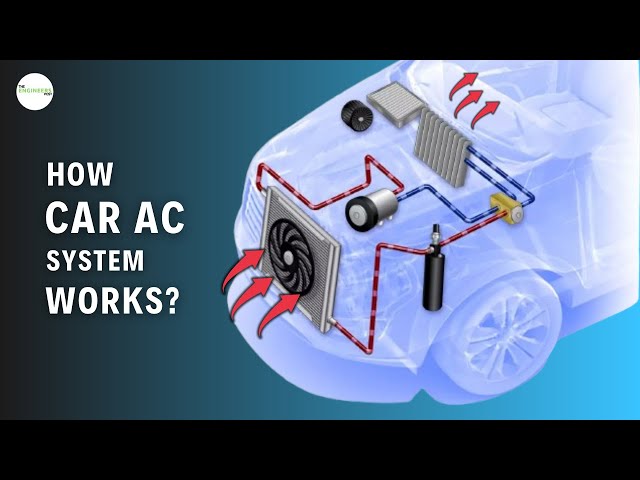
Mounting the compressorrequires a solid and stable place near the engine. The compressor should be fixed with strong bolts to avoid movement. Connect the compressor to the engine belt carefully. Use a tensioner to keep the belt tight. Make sure the compressor pulley turns smoothly without noise.
Placing the condenseris important for cooling air properly. Fit the condenser in front of the car radiator. It should get good airflow from outside. Use brackets to hold it firmly. Avoid any blockages around the condenser to keep air flowing.
Installing the evaporatorinside the car cabin is the last step. Place it under the dashboard or inside the air duct. Connect it to the compressor and condenser with refrigerant lines. Seal all connections well to stop leaks. Attach the blower fan near the evaporator to push cool air inside.
Connecting The Refrigerant Lines
Route the refrigerant hoses carefully through the engine bay. Avoid sharp edges and hot parts that can damage hoses. Use existing clips or brackets to hold the hoses in place. Make sure hoses are not twisted or bent tightly. This helps maintain proper flow and pressure.
Check all connections before sealing. Use proper fittings designed for your car’s AC system. Tighten connections firmly, but avoid over-tightening to prevent damage. Apply a small amount of refrigerant oil on the fittings for a better seal.
Use high-quality seals or O-rings at every joint. Replace old or worn seals to avoid leaks. Wrap connections with Teflon tape or use sealant if recommended. Secure all lines with clamps or zip ties to stop movement and wear.
Wiring The Electrical Components
Connect the power supplycarefully to the car battery. Use a fuseto protect the wiring. This stops damage from short circuits or overloads.
Make sure all wires are secure and insulated. Loose connections can cause sparks or failures.
- Use red wirefor positive power.
- Use black wirefor ground connection.
Install the control switchesinside easy reach. These switches turn the air conditioner on and off. Connect the switches to the power line and the compressor.
Test each switch to ensure it works properly. Faulty switches can stop the AC from working.
Adding Refrigerant And Testing
To charge the system, connect the refrigerant can to the car’s AC service port. Use a gauge set to monitor pressure levels carefully. Slowly add refrigerant until the pressure reaches the recommended range. Avoid overcharging, as this can damage the system.
Checking for leaks is essential. Use a leak detector or soapy water on hoses and connections. Look for bubbles or listen for hissing sounds. Fix any leaks before adding more refrigerant.
Verifying cooling performance means running the AC and feeling the air temperature from the vents. The air should be cold and steady. If not, recheck pressure and inspect for blockages or other issues.

Credit: www.amazon.com
Maintaining Your Car Air Conditioner
Setting the car air conditioner involves turning it on and adjusting the temperature and fan speed. Keep windows closed for better cooling and check the AC system regularly to ensure it works well.
Regular Cleaning Tips
Clean the air vents often to stop dust buildup. Change the cabin air filter every 12,000 miles or once a year. Use a soft cloth to wipe the dashboard and vents gently. Check the condenser for leaves or dirt and clear it carefully. Keep the AC system dry to avoid mold and bad smells. Run the AC for a few minutes weekly, even in winter, to keep parts working well.
Troubleshooting Common Issues
| Problem | Possible Cause | Simple Fix |
|---|---|---|
| Weak cooling | Low refrigerant | Refill refrigerant at a service center |
| Bad smell | Mold in vents | Clean vents and replace cabin filter |
| AC not turning on | Blown fuse or electrical issue | Check fuse box and replace fuse |
| Strange noises | Loose parts or debris | Inspect and tighten parts, remove debris |
Frequently Asked Questions
How Do I Install A Car Air Conditioner Myself?
To install a car air conditioner, gather necessary tools and parts first. Follow a step-by-step guide or video for proper fitting. Ensure electrical connections and refrigerant lines are correctly installed. Testing the system after installation is crucial for efficient cooling and safety.
What Are The Key Components Of A Car Ac System?
A car AC system includes a compressor, condenser, evaporator, expansion valve, and refrigerant. The compressor pumps refrigerant, the condenser cools it, and the evaporator absorbs heat. The expansion valve controls refrigerant flow, ensuring the car interior stays cool and comfortable.
Can I Add An Air Conditioner To Any Car Model?
Most cars can have an air conditioner added, but compatibility varies. Older or classic cars may require custom fittings. Professional assessment is recommended to check space, electrical capacity, and cost-effectiveness before installation. Proper installation ensures optimal performance and safety.
How Much Does It Cost To Install A Car Ac Unit?
Car AC installation costs vary by vehicle type and system complexity. On average, expect to pay between $500 and $2000. DIY installations reduce labor costs but need technical knowledge. Professional installation ensures warranty and proper functioning of the AC system.
Conclusion
Installing an air conditioner in your car keeps you cool during hot days. It also makes driving more comfortable and safe. Follow the steps carefully to avoid mistakes. Use the right tools and parts for the best results. Check your work before starting the car.
Regular maintenance helps your AC last longer. Enjoy a fresh and cool ride every time you drive. Simple effort brings great comfort. Stay cool and drive happy!