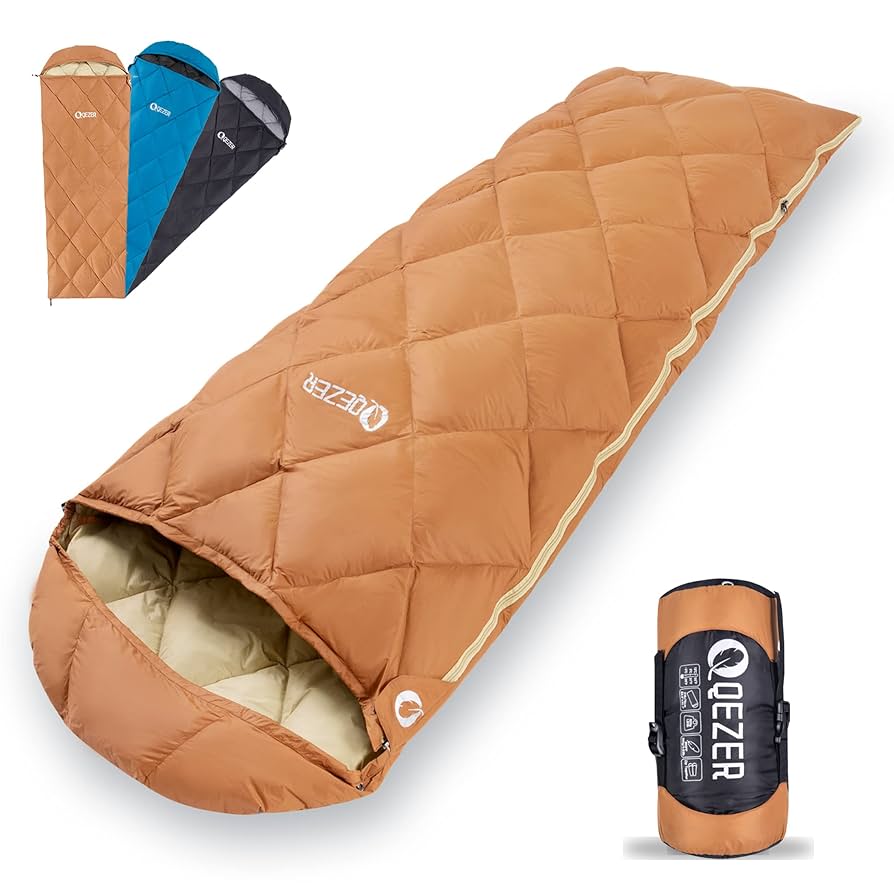
Have you ever wondered what makes some sleeping bags warmer and lighter than others? If you’re planning a camping trip or just want a cozy night outdoors, understanding what a down sleeping bag is can change your entire experience.
Imagine wrapping yourself in a cloud of warmth that feels soft, yet keeps you protected from the cold. You’ll discover exactly what a down sleeping bag is, why it might be the best choice for your next adventure, and how it works to keep you comfortable.
Keep reading, and you’ll never look at sleeping bags the same way again.
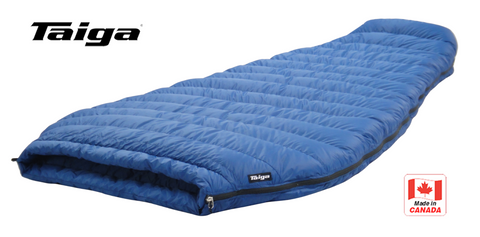
Credit: www.taigaworks.com
Down Sleeping Bags Basics
Down sleeping bags use the soft feathers from ducks or geese. These feathers trap warm air to keep you cozy.
They are light, compressible, and great for cold weather camping. Many campers prefer down for its warmth and weight.
What Is Down Fill
Down fill is the soft layer under the feathers of birds. It is very light and traps heat well.
Down fill creates tiny air pockets that keep warm air near your body. This helps you stay warm in cold weather.
Types Of Down Fill
Down fill varies by quality and source. Higher quality down has larger clusters that trap more air.
- Goose down: Known for large, fluffy clusters and warmth.
- Duck down: More common and usually less expensive.
- Blended down: Mix of down and small feathers for balance.
- Hydrophobic down: Treated to resist water and dry faster.
Down Vs Synthetic
Down and synthetic fills both keep you warm but have different traits. Down is lighter and warmer for its weight.
Synthetic fills work better if wet. They dry faster and keep some warmth when damp.
| Feature | Down | Synthetic |
|---|---|---|
| Weight | Light and compressible | Heavier |
| Warmth | Very warm for weight | Less warm than down |
| Performance When Wet | Loses warmth, dries slowly | Keeps warmth, dries quickly |
| Durability | Lasts many years | Wears out faster |
| Cost | More expensive | Usually cheaper |

Credit: www.amazon.ca
Benefits Of Down Sleeping Bags
Down sleeping bags use the soft feathers from ducks or geese. They are popular for camping and hiking because they keep you warm and are easy to carry.
Here are some key benefits of down sleeping bags that many outdoor lovers appreciate.
Lightweight And Compressible
Down sleeping bags weigh less than many synthetic sleeping bags. They can be squeezed into a small size. This makes them easy to pack and carry on long trips.
- Easy to fit in backpacks
- Less weight means less effort when hiking
- More space for other gear
Warmth-to-weight Ratio
Down provides excellent insulation without adding much weight. It traps air in tiny clusters that keep your body heat inside the bag.
| Feature | Down Sleeping Bag | Synthetic Sleeping Bag |
| Weight | Light | Heavier |
| Warmth | High | Moderate |
| Compressibility | High | Low |
Durability And Longevity
Down sleeping bags last a long time with proper care. The feathers hold their shape well, which keeps the bag warm for many years.
Tips for durability:
- Keep the bag dry
- Store it loose, not compressed
- Clean gently with proper products
Choosing The Right Down Sleeping Bag
Choosing a down sleeping bag means looking at key features. These features help you stay warm and comfortable outdoors.
Understanding temperature ratings, fill power, and bag shapes makes your choice easier. Each factor affects your sleeping bag’s performance.
Temperature Ratings
Temperature ratings show the lowest temperature you can comfortably use the bag. They guide you to pick the right bag for the weather.
- Comfort rating: Lowest temp to sleep comfortably
- Limit rating: Lowest temp to avoid cold stress
- Extreme rating: Survival temp but not comfortable
Fill Power Explained
Fill power measures the quality of down insulation. Higher fill power means better warmth and lighter weight.
| Fill Power | Warmth | Weight |
| 400-500 | Basic warmth | Heavier |
| 600-700 | Good warmth | Moderate weight |
| 800+ | Best warmth | Lightest |
Bag Shapes And Sizes
Sleeping bags come in different shapes and sizes. Each type offers different comfort and weight benefits.
- Mummy: Tight fit, best for warmth and weight savings
- Rectangular: More room, good for comfort but heavier
- Semi-rectangular: Mix of warmth and space

Credit: www.amazon.ca
Care And Maintenance Tips
Down sleeping bags need special care to keep them warm and fluffy. Proper cleaning, storage, and repairs help your bag last a long time.
Follow simple steps to protect the down insulation and fabric. This keeps your sleeping bag ready for every trip.
Cleaning Your Down Bag
Clean your down bag only when it is very dirty. Use a gentle cleaner made for down. Avoid regular detergents that damage the feathers.
- Close all zippers and Velcro before washing.
- Use a front-loading washing machine or wash by hand.
- Wash in cold water with down-specific cleaner.
- Rinse thoroughly to remove soap.
- Tumble dry on low heat with clean tennis balls to fluff the down.
Proper Storage
Store your down bag loosely in a large breathable sack or hang it in a dry place. Avoid stuffing it into a tight stuff sack for long periods.
| Do | Don’t |
|---|---|
| Keep in a cool, dry place | Store in a compressed stuff sack |
| Air out after each use | Store wet or damp |
| Use a cotton storage bag | Place near heat sources |
Repairing Small Tears
Fix small rips quickly to stop down from escaping. Use repair tape or patches made for outdoor gear. Sewing is a good option for bigger tears.
Quick Repair Tips:
- Clean the area around the tear.
- Apply repair tape on both sides of the fabric.
- Press firmly and let it dry before use.
- For sewing, use a needle and thread made for nylon or polyester.
- Patch inside and outside for best results.
Common Myths About Down Sleeping Bags
Down sleeping bags are popular for camping and hiking. Many people believe things about them that are not true. Knowing the facts helps you choose the right bag.
This guide clears up common myths about down sleeping bags. It will help you understand what to expect from your sleeping bag.
Down And Water Resistance
Many think down sleeping bags do not work well in wet weather. Down can lose its warmth when wet. But modern bags use treatments to resist water.
Some bags have water-resistant coatings or special fabrics. These protect the down from moisture. Still, down is not fully waterproof. Keep your bag dry for best warmth.
- Down loses loft when wet
- Water-resistant coatings help protect down
- Keep bags dry for best performance
All Down Bags Are The Same
People often think all down sleeping bags are alike. In truth, quality varies a lot. Different bags use different types of down and fabrics.
Fill power shows down quality. Higher fill power means better warmth and lighter weight. Fabric also affects durability and comfort. Check these before buying.
- Fill power ranges from 400 to 900+
- Higher fill power means warmer and lighter bags
- Outer fabric affects bag strength and feel
Expensive Bags Always Perform Better
Many think expensive down bags always work best. Price can mean better materials, but not always better fit or comfort. Choose a bag that suits your needs.
Sometimes mid-priced bags have great features. Look at warmth rating, weight, and size. Pick what fits your camping style and budget.
- Price does not always mean better fit
- Check warmth rating before buying
- Find a bag that matches your needs
Enhancing Comfort With Down Bags
Down sleeping bags use soft feathers to keep you warm. They trap heat well and are very light.
To get the best comfort, you can add liners, pick the right sleeping pad, and layer clothes carefully.
Using Liners For Warmth
Sleep liners add extra warmth inside your down bag. They help keep your sleeping bag clean too.
Some liners are made from silk or fleece. Silk liners are thin and light, while fleece liners are warmer.
- Silk liners add about 5 to 10 degrees of warmth
- Fleece liners can add up to 15 degrees of warmth
- Liners are easy to wash and dry
Choosing Compatible Sleeping Pads
Sleeping pads stop cold from the ground. They keep your down bag warmer by blocking cold air.
Pick a pad with good insulation and the right size for your bag. A pad that fits well helps keep warmth in.
- Look for pads with R-value of 3 or higher for cold nights
- Choose pads that match the length and width of your bag
- Inflatable pads offer more comfort but can be fragile
- Foam pads are durable and work well under any bag
Layering Techniques
Wear layers inside your down bag to stay warm. Start with a thin base layer to keep dry.
Add a warm middle layer like fleece or wool. Avoid thick clothes that squeeze the bag and reduce warmth.
- Base layer: moisture-wicking and thin
- Middle layer: warm and lightweight
- Avoid cotton as it holds moisture and cools you down
- Remove layers if you get too hot to stay comfortable
Frequently Asked Questions
What Is A Down Sleeping Bag?
A down sleeping bag is insulated with natural goose or duck feathers. It offers excellent warmth, lightweight comfort, and compressibility, ideal for cold weather camping.
How Does A Down Sleeping Bag Keep You Warm?
Down traps body heat in its fluffy clusters. This insulation creates warm air pockets, preventing heat loss and maintaining a cozy sleeping temperature.
Are Down Sleeping Bags Good For Cold Weather?
Yes, down sleeping bags provide superior warmth and insulation. They perform well in cold climates due to their high warmth-to-weight ratio.
How Do Down Sleeping Bags Compare To Synthetic Ones?
Down bags are lighter and more compressible. Synthetic bags perform better when wet, but down offers longer-lasting insulation if kept dry.
Conclusion
A down sleeping bag keeps you warm and light during cold nights. It uses soft feathers to trap heat and block cold air. These bags compress easily, making them great for travel. They work best in dry weather since moisture can reduce warmth.
Choosing the right one depends on your needs and budget. Now you know what a down sleeping bag is and why it matters. Time to enjoy cozy camping trips with the right gear.