
Have you ever wondered why your car’s exhaust sounds the way it does? Or why some vehicles have a smoother, quieter roar while others sound louder and harsher?
The secret often lies in a small but powerful part called the resonator. Understanding what resonators do in an exhaust system can change the way you think about your car’s performance and sound. You’ll discover how resonators work, why they matter, and how they can improve your driving experience.
Keep reading, because what you learn might just make you listen to your car in a whole new way.

Credit: flasharkracing.com
Role Of Resonators
Resonators are parts of a car’s exhaust system. They help improve the sound and performance of the vehicle.
The main role of resonators is to reduce noise and smooth out the exhaust sound without blocking airflow.
How Resonators Work
Resonators use sound waves to cancel out certain noises in the exhaust system. They are tuned to target specific sound frequencies.
When exhaust gases pass through, the resonator creates sound waves that oppose unwanted noise. This reduces harsh sounds and makes the exhaust quieter.
Difference Between Resonators And Mufflers
Both resonators and mufflers reduce exhaust noise, but they work differently. Mufflers block and absorb sound, while resonators cancel sound waves.
- Resonators: Tune exhaust sound, reduce specific noise frequencies.
- Mufflers: Block and absorb sound, lower overall noise level.
- Resonators: Help improve exhaust flow and sound quality.
- Mufflers: Focus mainly on noise reduction.
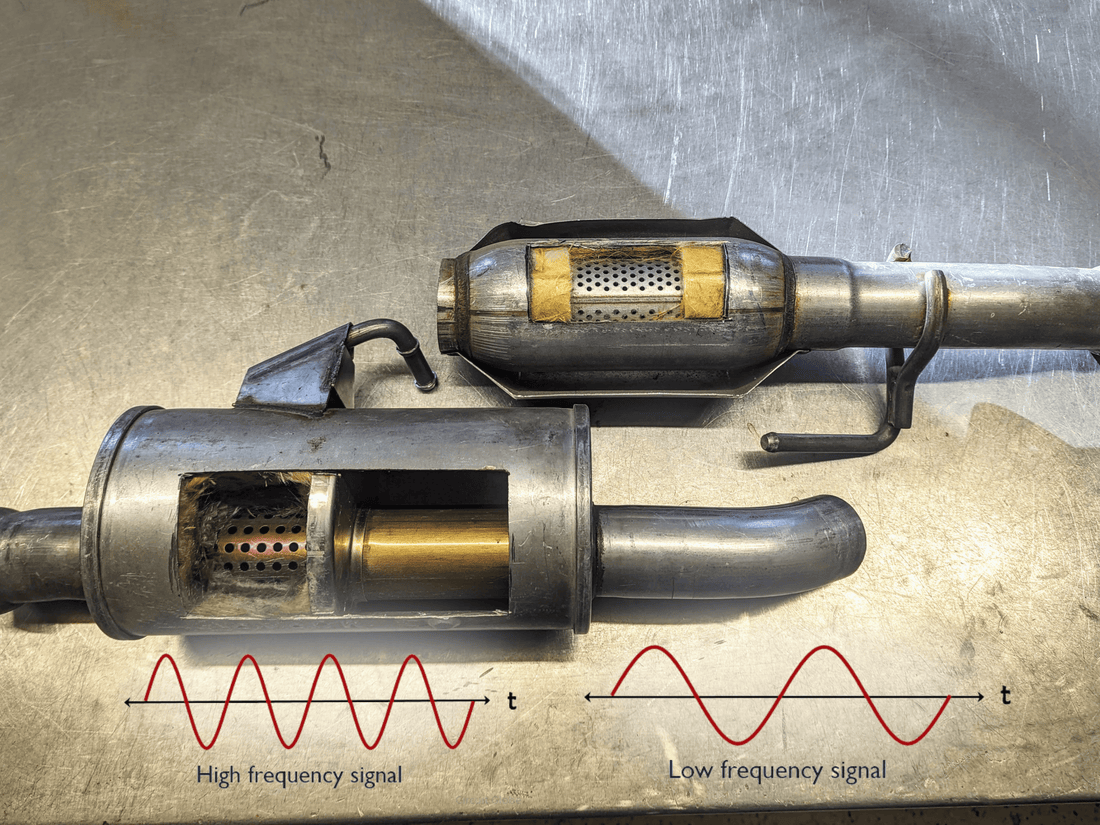
Credit: www.b2fabrication.com
Impact On Exhaust Sound
Resonators play a key role in shaping the sound of a car’s exhaust. They work with mufflers to control how loud or quiet the exhaust sounds.
They help remove harsh noises and create a smoother, more pleasing tone from the exhaust system.
Reducing Unwanted Noise
Resonators reduce unwanted noises that come from the engine and exhaust. They target specific sound frequencies that cause buzzing or drone.
By cutting down these noises, resonators make the ride quieter and more comfortable for passengers.
- Reduce engine drone on highways
- Lower harsh or rattling sounds
- Prevent annoying vibrations inside the car
Tuning Exhaust Tone
Resonators help tune the exhaust tone by changing how sound waves travel through the system. They can make the sound deeper or smoother.
This tuning gives the exhaust a more refined and balanced noise that many drivers prefer.
- Create a richer, bass-heavy sound
- Smooth out sharp or high-pitched noises
- Enhance overall exhaust performance sound
Performance Benefits
Resonators play an important role in a vehicle’s exhaust system. They help improve engine performance by managing sound and airflow.
Understanding how resonators work shows why they benefit engine power and efficiency in simple ways.
Improving Exhaust Flow
Resonators help smooth the path that exhaust gases take as they leave the engine. This reduces back pressure and allows gases to flow more freely.
- Reduces turbulence in the exhaust pipes
- Helps maintain steady gas flow speed
- Minimizes pressure waves that cause engine restrictions
Enhancing Engine Efficiency
By improving exhaust flow, resonators help the engine breathe better. This leads to better fuel use and smoother running.
| Benefit | Effect on Engine |
| Lower Exhaust Back Pressure | Increases power output |
| Reduced Engine Noise | Improves driving comfort |
| Smoother Exhaust Pulses | Enhances fuel efficiency |
Types Of Resonators
Resonators help control sound and improve exhaust flow. They reduce noise by cancelling certain sound waves.
There are two common types of resonators used in exhaust systems. Each type works differently to change the sound and performance.
Straight-through Resonators
Straight-through resonators have a simple design. Exhaust gases flow straight through a perforated core wrapped in sound-absorbing material.
- Allow smooth exhaust flow
- Reduce drone and harsh sounds
- Lightweight and compact
- Common in performance exhausts
Chambered Resonators
Chambered resonators use chambers to reflect sound waves. The shape and size of chambers cancel specific frequencies.
| Feature | Straight-Through | Chambered |
| Design | Perforated core with packing | Multiple chambers |
| Sound Effect | Softens noise, reduces drone | Targets specific sounds |
| Exhaust Flow | Less restriction | Some flow resistance |
| Common Use | Sport and performance cars | Standard and luxury vehicles |
Installation Considerations
Installing resonators in an exhaust system needs careful planning. Proper placement and vehicle compatibility affect performance.
Choosing the right spot and making sure the resonator fits your vehicle type ensures smooth installation and better results.
Placement In The Exhaust System
Resonators are usually placed between the catalytic converter and the muffler. This location helps reduce noise effectively.
- Before the muffler to smooth exhaust pulses
- After the catalytic converter to cut unwanted sound frequencies
- Close enough for easy access during maintenance
Compatibility With Vehicle Types
Not all resonators fit every vehicle. Match the resonator size and design with your exhaust system and engine type.
| Vehicle Type | Recommended Resonator Type | Notes |
| Compact Cars | Small Inline Resonator | Fits tight spaces, reduces drone |
| SUVs | Chamber Resonator | Handles higher exhaust volume |
| Performance Cars | High-Flow Resonator | Maintains power with noise reduction |
| Trucks | Large Diameter Resonator | Durable for heavy-duty use |
Common Myths About Resonators
Resonators are often misunderstood parts of an exhaust system. People have many ideas about what they do and how they affect a car.
This article clears up some common myths about resonators. It explains their role and impact on performance and fuel economy.
Resonators Vs. Performance Gains
Many believe resonators boost engine power. In reality, resonators mainly affect sound, not performance. They reduce noise by canceling certain sound waves.
- Resonators do not increase horsepower or torque.
- They smooth out exhaust noise for a cleaner sound.
- Removing a resonator may change noise but rarely improves speed.
- Performance gains come from other exhaust parts like headers or mufflers.
Effect On Fuel Economy
Some think resonators improve gas mileage. This is a myth. Resonators have little to no effect on fuel economy.
| Myth | Fact |
|---|---|
| Resonators increase fuel efficiency | They do not change fuel consumption significantly |
| Removing resonators saves gas | It can increase noise but does not improve mileage |
| Resonators affect air flow to improve economy | They are mainly sound devices, not air flow enhancers |
Maintaining Resonators
Resonators help reduce noise in an exhaust system. Keeping them in good shape ensures your car runs quietly and smoothly.
Regular checks and care prevent damage that can affect performance. Learn how to spot problems and keep resonators clean or replace them.
Signs Of Wear And Damage
Resonators can wear out or get damaged over time. Look for these signs to know if your resonator needs attention.
- Loud or unusual exhaust noise
- Visible cracks or holes on the resonator body
- Rust or corrosion on the metal parts
- Reduced engine performance or fuel efficiency
- Vibrations felt inside the vehicle
Cleaning And Replacement Tips
Cleaning your resonator helps remove dirt and debris. Sometimes, replacement is necessary if damage is severe.
| Task | How to Perform | Frequency |
| Cleaning | Use a wire brush and mild cleaner to remove buildup | Every 6 months |
| Inspection | Check for cracks, rust, and loose connections | Every 3 months |
| Replacement | Replace if holes or severe rust are found | As needed |

Credit: www.motortrend.com
Frequently Asked Questions
What Is The Primary Function Of A Resonator In Exhaust?
A resonator reduces specific sound frequencies in the exhaust system. It works with the muffler to smooth engine noise. This creates a quieter, more pleasant sound without affecting performance.
How Does A Resonator Affect Exhaust Sound?
A resonator changes the exhaust tone by canceling certain sound waves. It removes harsh, droning noises and improves overall sound quality. This makes the exhaust note deeper and more refined.
Can A Resonator Improve Vehicle Performance?
While a resonator mainly controls sound, it can slightly improve exhaust flow. This may enhance engine efficiency and throttle response. However, performance gains are generally minimal compared to other exhaust parts.
Are Resonators Necessary For All Vehicles?
Not all vehicles require resonators; it depends on design and noise regulations. Many modern cars use them to meet sound standards. Removing a resonator may cause louder and less pleasant exhaust noise.
Conclusion
Resonators help control noise and improve exhaust flow. They reduce unwanted sounds without hurting engine power. By smoothing airflow, resonators make engines run quieter and cleaner. This small part plays a big role in your car’s performance. Understanding resonators helps you appreciate your exhaust system better.
They keep your drive peaceful and efficient. Simple but important.