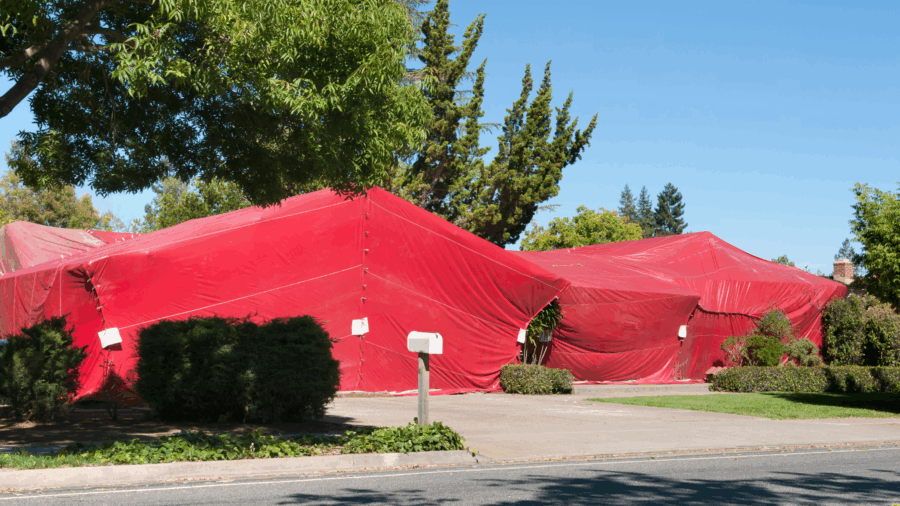
If you’ve just discovered termites in your home, you’re probably wondering: how long does tenting for termites take? You want the problem gone quickly, but you also need to plan for the disruption it causes.
Knowing what to expect can ease your worries and help you prepare better. You’ll find clear answers about the tenting process, how long it usually lasts, and tips to make everything go smoothly. Keep reading to take control of your termite problem with confidence.
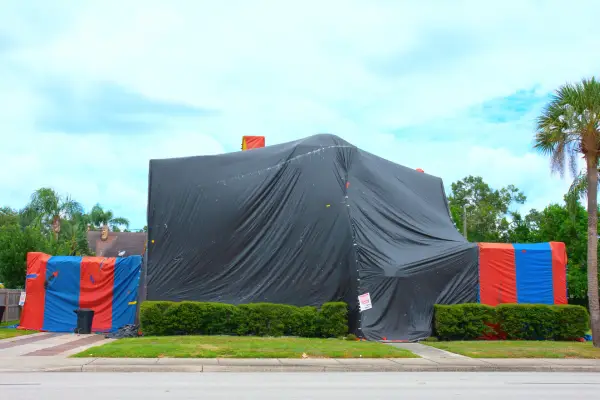
Credit: gorocketpest.com
What Is Termite Tenting
Termite tenting is a treatment to kill termites inside a home. Professionals cover the house with a large tent.
They fill the tent with gas that kills termites quickly and deeply. This stops termite damage from spreading.
How Termite Tenting Works
Experts seal your house in a plastic tent. This keeps the gas inside the house.
The gas spreads through wood and cracks. It kills termites in all hidden places.
How Long Does Termite Tenting Take
The whole process takes about one to three days. The time varies by the size of your home.
Tenting and gas filling usually take a few hours. After that, the gas needs time to work and clear out.
- Preparation: a few hours to move furniture and seal openings
- Tenting and gas filling: 6 to 12 hours
- Gas clearing and ventilation: 12 to 24 hours
Safety During Termite Tenting
People and pets must leave the home during treatment. The gas is toxic to all living things.
After treatment, the home needs to air out. This makes it safe to return.
- Follow all expert instructions before tenting
- Leave the home for the full treatment time
- Wait for clearance before entering after treatment
Signs You Need Tenting
Termites can cause serious damage to your home. It is important to spot the signs early. Tenting helps remove termites safely and completely.
Knowing when to tent your house can save you money and stress. Look for clear signs that termites have invaded your home.
Visible Termite Damage
One of the first signs is visible damage on wooden parts of your house. Termites eat through wood, making it weak and crumbly.
Swarmers Or Termite Wings
Termite swarmers are winged termites that leave the colony to start new ones. Finding discarded wings near windows or doors means termites are inside.
Mud Tubes On Walls Or Foundations
Termites build mud tubes to travel safely and hide from light. These tubes are a clear sign of infestation and need immediate attention.
- Look for thin mud tubes along walls and foundations.
- Check basements and crawl spaces regularly.
- Inspect wooden beams and support posts.
Hollow Sounding Wood
If wood sounds hollow when tapped, termites may have hollowed it out inside. This means they have been feeding there for a while.
Increased Pest Activity
| Sign | What It Means |
| Falling wings | Swarmers are present, infestation likely |
| Damaged wood | Termites are eating structural wood |
| Mud tubes | Termites traveling and hiding |
| Hollow wood | Wood is weakened by termite feeding |
Preparation Before Tenting
Tenting for termites is a process that needs careful preparation. Getting ready helps the treatment work well and keeps everyone safe.
Preparing your home before tenting takes time. You must clear spaces, protect pets and plants, and find a place to stay.
Clearing The Property
Remove all furniture and items from inside and outside the house. This helps the tent fit tightly and the gas spread evenly.
Take out anything that could be damaged by the chemicals used in tenting. This includes food, medicines, and cosmetics.
- Empty cabinets and closets
- Remove wall hangings and pictures
- Take out outdoor furniture near the house
- Clear garages and storage areas
Protecting Pets And Plants
Pets cannot stay in the house during tenting. The chemicals are dangerous to animals and can harm them.
Move all plants away from the house. The gas used in tenting can damage or kill plants close to the building.
- Find a safe place for pets during treatment
- Give plants extra water before moving them
- Keep plants out of the tenting area
Arranging Alternative Accommodation
You must leave your home during tenting. Find another place to stay while the treatment is on.
Tenting usually takes a few days. Plan where you will stay and what you need to take with you.
- Book a hotel or stay with family or friends
- Pack important clothes and personal items
- Make sure you have access to food and medicine
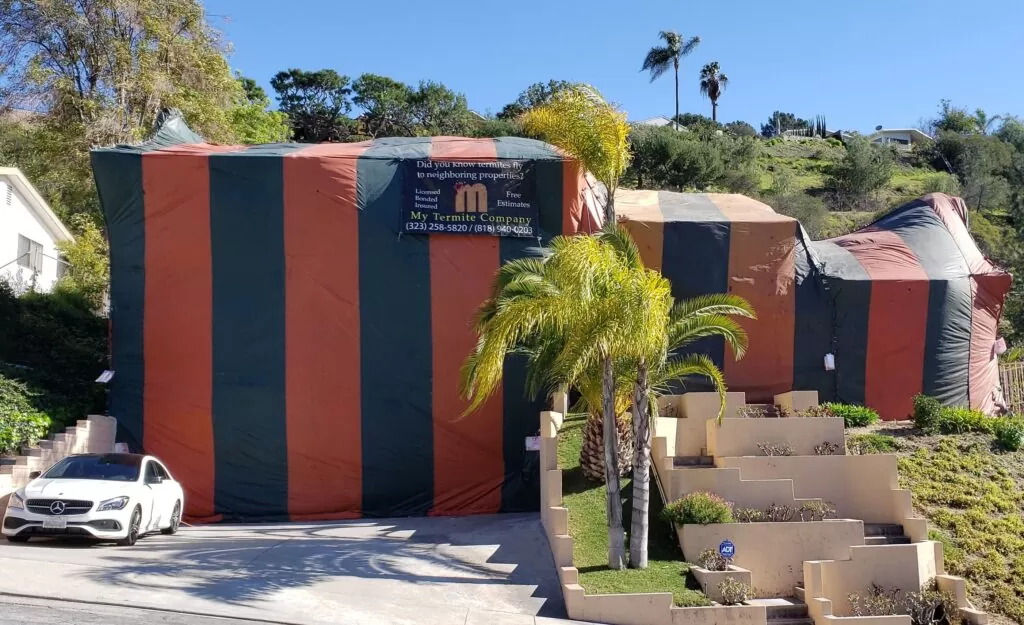
Credit: mytermitecompany.com
Tenting Process Timeline
Tenting for termites is a common way to get rid of them. The process involves covering your home with a tent and using gas to kill termites.
The whole process takes time and includes setting up the tent, fumigating, and airing out your home. Each stage has a specific timeline.
Setting Up The Tent
Setting up the tent is the first step in termite fumigation. Professionals cover the entire house with a large tent made of strong material.
This step protects the home and keeps the gas inside. It usually takes 2 to 4 hours, depending on the house size.
Fumigation Duration
The fumigation itself lasts around 24 to 72 hours. During this time, the gas spreads inside the tent to kill all termites.
Technicians monitor the process to ensure the gas reaches all areas. The exact time depends on weather and termite severity.
Air-out Period
After fumigation, the tent is removed and the house is aired out. This step lets fresh air replace the gas inside.
The air-out period usually takes 24 to 48 hours. It ensures the home is safe to enter and free of harmful chemicals.
Factors Affecting Duration
Tenting for termites can take different amounts of time. Several factors change how long the process lasts.
Understanding these factors helps homeowners prepare for the treatment and know what to expect.
Size Of Property
The size of the property is a key factor in how long tenting takes. Larger homes need more time to cover and treat.
- Small homes usually take less time to tent.
- Bigger homes require more tenting material and labor.
- Larger areas need more time to ensure complete coverage.
Infestation Severity
The level of termite infestation affects the treatment length. Severe infestations need longer tenting to kill all termites.
| Infestation Level | Approximate Tenting Time |
| Light | 1 to 2 days |
| Moderate | 2 to 3 days |
| Severe | 3 to 5 days |
Weather Conditions
Weather can change how long tenting takes. Rain, wind, or cold may slow the process.
Key weather effects include:
- Rain:Causes delays due to wet surfaces.
- Wind:Makes it hard to secure the tent properly.
- Cold:Slows down chemical effectiveness and drying time.

Credit: www.proventermitesolutions.com
After Tenting Steps
Tenting for termites is only the first part of the process. After the tent is removed, you must take certain steps to ensure your home stays safe. These steps help confirm that the termites are gone and protect your home from future damage.
Following the proper after tenting steps can save you money and keep your house healthy. It is important to understand what needs to be done after the fumigation.
Inspection And Clearance
Once the tent is removed, a thorough inspection is required. This inspection checks if the fumigation was successful. A pest control expert looks for signs of live termites and damage.
- Check all wooden structures for termite activity
- Look for mud tubes and damaged wood
- Use moisture meters to detect hidden infestations
- Confirm that the home is safe to re-enter
Preventive Measures
After clearing the home, take steps to prevent termites from returning. Prevention is key to avoiding future damage and costly repairs.
| Preventive Action | Description |
| Remove Wood Debris | Keep firewood and scrap wood away from the house |
| Fix Leaks | Repair leaks to reduce moisture that attracts termites |
| Ventilation | Ensure proper airflow in crawl spaces and basements |
| Use Treated Wood | Opt for termite-resistant wood in home repairs |
Follow-up Treatments
Even after fumigation, follow-up treatments may be needed. These treatments help catch any termites that survived the first process.
- Schedule regular inspections by a pest control professional
- Apply termite baits or liquid treatments around the home
- Monitor termite activity signs monthly
- Repeat treatments if any termites are found
Cost And Scheduling Tips
Tenting a house for termites is a common treatment method. It involves covering the home and using chemicals to kill termites. Knowing the cost and how to schedule the process helps you plan better.
This guide explains what affects the price and gives tips to schedule the tenting smoothly.
Factors Affecting The Cost Of Tenting
The cost of tenting depends on several things. Size of the home, location, and termite damage level play a role. Larger homes cost more to tent. Homes in areas with many termites may need more treatment.
- Home size and square footage
- Extent of termite infestation
- Local pest control rates
- Additional repairs needed
- Time of year and availability
Scheduling Tips For Tenting
Tenting takes about 24 to 48 hours, but preparation and airing out take longer. Plan to be out of your home for 2 to 4 days total. Scheduling at the right time helps reduce inconvenience.
- Choose a time when you can stay elsewhere comfortably.
- Clear all food and medicines from the house before tenting.
- Inform neighbors about the treatment schedule.
- Schedule during mild weather to avoid delays.
- Book the treatment well in advance to get your preferred dates.
Typical Cost Breakdown
| Service | Average Cost |
| Tenting and Fumigation | $1,000 – $2,500 |
| Inspection Fee | $75 – $150 |
| Post-Treatment Repairs | $500 – $2,000 |
| Additional Treatments | $300 – $700 |
Frequently Asked Questions
How Long Does Termite Tenting Usually Take?
Termite tenting typically takes 24 to 48 hours. The process includes sealing the home, fumigating, and airing it out. Time varies by home size and termite severity. Proper preparation and ventilation are essential for safety and effectiveness.
What Factors Affect Termite Tenting Duration?
Home size, termite infestation level, weather, and fumigant type influence tenting duration. Larger homes or severe infestations may need longer treatment. Weather conditions can delay airing out. Professional fumigators adjust timing to ensure full termite elimination.
Can I Stay In My House During Termite Tenting?
No, you must vacate your home during termite tenting. Fumigants used are toxic to humans and pets. Typically, you leave for at least 24 hours. After airing out, professionals confirm it’s safe to return.
How Soon Can I Re-enter After Termite Tenting?
You can usually re-enter 24 to 48 hours after fumigation. This period includes airing out the home to remove toxic gases. Professionals test gas levels to ensure safety before allowing re-entry.
Conclusion
Tenting for termites usually takes two to four days. The process starts with sealing your home tightly. Then, professionals release gas to kill termites inside. After fumigation, airing out the house is important for safety. You should plan to stay away during this time.
This method effectively removes termites and protects your home. Knowing the timeline helps you prepare better. Quick action can save your home from damage. Tenting is a reliable choice for termite control.