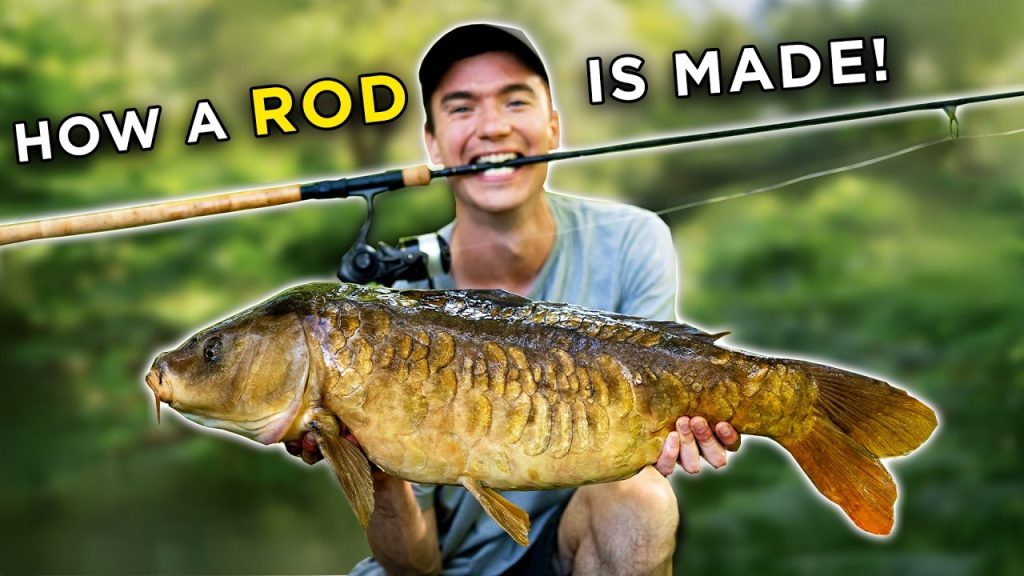
Have you ever wondered what goes into making your fishing rod? From the moment raw materials come together to the final product in your hands, there’s a fascinating process behind it all.
Understanding how a fishing rod is made can change the way you appreciate every cast and catch. You’ll discover each step that transforms simple materials into a tool designed to connect you with nature and your next big catch. Keep reading—you won’t want to miss how your fishing rod comes to life.
Materials Used
Fishing rods are made from different materials. Each part needs the right material to work well. This guide explains the main materials used.
The choice of materials affects the rod’s strength, weight, and feel. Let’s look at fibers, reel seats, and handle materials.
Choosing The Right Fibers
The main body of a fishing rod is made from fibers. These fibers give the rod strength and flexibility. Common fibers include fiberglass and carbon fiber.
- Fiberglass:Strong and flexible. Good for beginners and heavy use.
- Carbon Fiber:Very light and sensitive. Preferred by experienced anglers.
- Composite:A mix of fiberglass and carbon fiber for balance.
Types Of Reel Seats
Reel seats hold the fishing reel firmly to the rod. They must be strong and corrosion-resistant. Common materials include plastic, aluminum, and graphite.
| Material | Advantages | Disadvantages |
| Plastic | Lightweight and cheap | Less durable |
| Aluminum | Strong and corrosion-resistant | Heavier than plastic |
| Graphite | Very light and strong | More expensive |
Handle Materials
The handle provides grip and comfort. It must resist water and wear. Common handle materials are cork, EVA foam, and rubber.
- Cork:Lightweight and comfortable. Offers a good grip even when wet.
- EVA Foam:Soft and durable. Easy to clean and maintain.
- Rubber:Provides a strong grip. Often used on budget rods.

Credit: www.youtube.com
Design And Planning
Making a fishing rod starts with good design and planning. This step shapes how the rod will perform.
Designers think about the rod’s length, action, balance, and weight. These factors help create a rod that feels right to use.
Rod Length And Action
Rod length affects how far you can cast and how you control the fish. Short rods are easier to handle in tight spaces.
Action means how much the rod bends. Fast action rods bend near the tip. Slow action rods bend along the whole length.
- Short rods: good for close casting and small areas
- Long rods: better for long casts and open water
- Fast action: quick hook sets and sensitive tips
- Slow action: smooth bending and better for fighting fish
Balance And Weight Considerations
A well-balanced rod feels comfortable to hold for a long time. Weight affects how tired your arm gets.
Designers choose materials that keep the rod light but strong. They also plan where to place guides and the reel seat for balance.
- Light rods reduce fatigue during long fishing trips
- Balance helps improve casting accuracy and control
- Placement of parts changes the rod’s feel in your hand
- Strong materials keep the rod durable and reliable
Blank Construction
The blank is the main part of a fishing rod. It gives the rod its strength and flexibility. Making the blank is a careful process that uses strong materials.
Two important steps in blank construction are wrapping the fibers and the curing process. These steps help build a durable and lightweight rod.
Wrapping The Fibers
Fibers like carbon or fiberglass are wrapped around a rod-shaped mold. This wrapping gives the rod its shape and strength. The fibers must be tightly wrapped to avoid weak spots.
- Fibers are cut into strips for easy handling.
- Strips are layered evenly on the mold.
- Each layer adds strength and controls flexibility.
- Workers check for air bubbles during wrapping.
- The wrapped mold is prepared for curing.
Curing Process
After wrapping, the blank goes into an oven. Heat and pressure cure the resin in the fibers. This step hardens the blank and locks the fibers in place.
| Temperature | Time | Purpose |
| 120°C (248°F) | 30 minutes | Start resin hardening |
| 150°C (302°F) | 1 hour | Full curing |
| Cool down | 30 minutes | Prevent warping |
Guide Placement
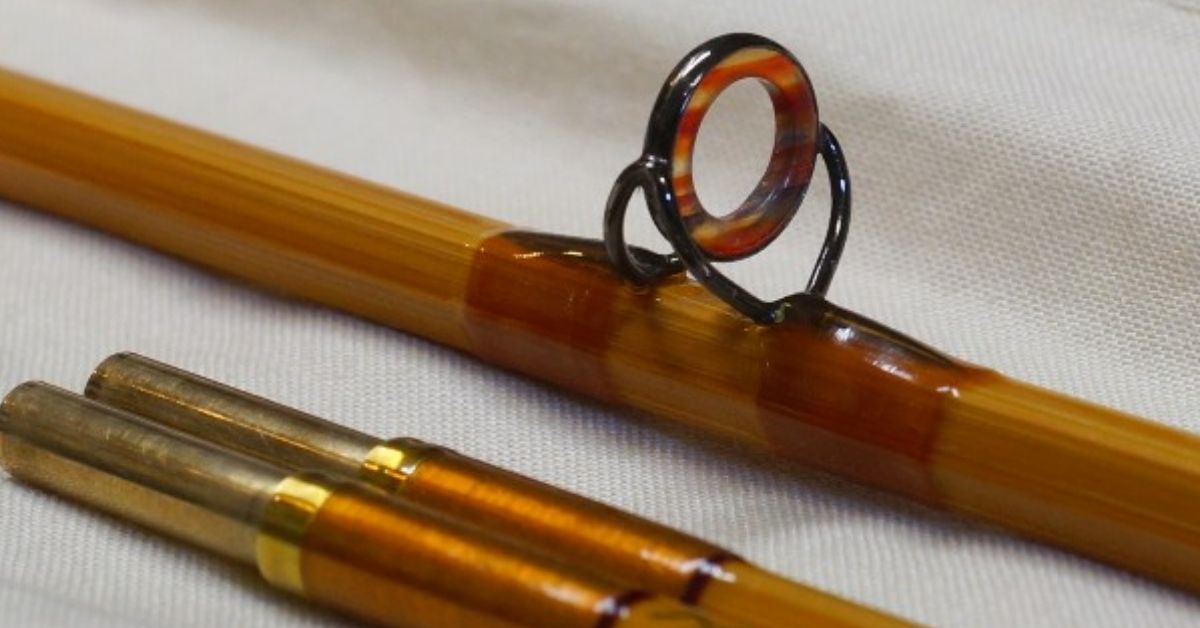
Guide placement is important in making a fishing rod. Guides help control the fishing line and improve casting.
Correct placement keeps the line steady and reduces tangles. It also supports the rod’s strength and balance.
Selecting Guide Types
Guides come in different types to fit fishing needs. Some guides are small and light. Others are bigger and strong.
Choosing the right guide type depends on the fishing rod’s use and the line size. Each guide helps the line move smoothly.
- Single-foot guides are light and used on light rods.
- Double-foot guides are stronger and support heavy lines.
- Hard metal rings reduce wear from the fishing line.
- Ceramic rings protect the line from heat and friction.
Spacing Techniques
Spacing guides correctly is key for rod performance. Guides are placed closer near the tip.
Even spacing along the rod reduces stress. It also helps the line flow better during casting and reeling.
- Place the first guide close to the tip for control.
- Space guides evenly to spread line pressure.
- Use fewer guides on shorter rods.
- Use more guides on longer rods for support.
Handle Assembly
The handle is a key part of a fishing rod. It gives the angler a good grip and comfort.
Making the handle involves shaping the grip and attaching the reel seat carefully.
Shaping The Grip
The grip must fit well in the hand. Manufacturers often use cork or EVA foam for the handle.
- Cut the cork or foam to the right size.
- Sand the material to smooth rough edges.
- Shape it to fit the natural curve of the hand.
- Seal the grip with a protective coating for durability.
Attaching The Reel Seat
The reel seat holds the fishing reel firmly. It must be strong and secure on the handle.
| Material | Purpose | Notes |
| Graphite | Lightweight support | Common in modern rods |
| Aluminum | Durability | Used in heavy-duty rods |
| Plastic | Cost-effective | Found in beginner rods |
The reel seat is glued and clamped on the handle. After drying, it is tested for tightness.
Finishing Touches
After shaping and assembling, the fishing rod needs final steps. These steps protect the rod and ensure it works well.
The finishing touches include applying coatings and checking the rod’s quality carefully.
Applying Coatings
Coatings protect the rod from water, sun, and damage. They also give the rod a smooth finish.
- First, a layer of resin is applied to seal the surface.
- Next, a clear coat adds shine and extra protection.
- Some rods get special coatings for UV resistance.
- Each coat is allowed to dry before the next is added.
Quality Inspection
Every rod goes through a strict quality check. This step makes sure the rod is strong and ready to use.
| Inspection Item | What to Check | Purpose |
| Surface | Look for cracks or bubbles | Ensure smooth finish and durability |
| Guides | Check alignment and strength | Prevent line damage during use |
| Handle | Test grip comfort and fit | Provide good control and comfort |
| Flexibility | Bend the rod carefully | Confirm proper flexibility without breaking |
Craftsmanship Tips
Making a fishing rod needs skill and care. Every part must be chosen with thought.
Good craftsmanship helps build rods that work well and last long. This guide shares helpful tips.
Common Challenges
One challenge is balancing rod strength with lightness. A rod must be strong but easy to handle.
Another challenge is attaching guides firmly. Loose guides can cause line damage and poor casting.
- Choosing the right material for the blank
- Aligning guides straight along the rod
- Sealing all glue joints properly
- Ensuring the handle fits comfortably
Improving Durability
Use high-quality materials for strong blanks and guides. Quality parts last longer under pressure.
Apply multiple layers of finish to protect the rod from water and wear. This keeps it looking new.
- Use epoxy resin for strong glue bonds
- Wrap guides tightly with thread
- Dry the finish coats fully before use
- Store rods properly to avoid damage
Credit: mysterytacklebox.com
Credit: petroleumservicecompany.com
Frequently Asked Questions
How Are Fishing Rods Manufactured?
Fishing rods are crafted using high-quality materials like graphite or fiberglass. Manufacturers design rods with precision to ensure durability and flexibility. The process involves creating blanks, attaching guides, and fitting handles. Each step requires skilled craftsmanship to produce a rod that enhances the fishing experience.
What Materials Are Used In Fishing Rod Production?
Fishing rods are primarily made from graphite, fiberglass, or a combination of both. Graphite offers sensitivity and lightness, while fiberglass provides strength and flexibility. Manufacturers choose materials based on the rod’s intended use, balancing performance and durability to suit different fishing styles.
How Is The Fishing Rod Handle Constructed?
The handle is typically made from cork or EVA foam. Manufacturers shape and attach the handle to the rod blank for comfort and grip. Cork offers a traditional feel, while EVA foam provides durability. The choice of material affects the rod’s weight and overall balance.
Why Are Guides Important On A Fishing Rod?
Guides are crucial for directing the fishing line along the rod. They minimize friction and enhance casting distance. Made from durable materials, guides ensure smooth line flow and prevent tangles. Properly aligned guides improve the rod’s performance, making them essential for a successful fishing experience.
Conclusion
Crafting a fishing rod takes skill and care. Each step shapes its strength and flexibility. From choosing materials to final assembly, every detail matters. A good rod helps anglers enjoy fishing more. Knowing how rods are made can deepen your appreciation.
Next time you fish, remember the work behind your rod. It’s more than just a tool. It’s a product of careful design and effort. Fishing becomes better with the right equipment in hand.