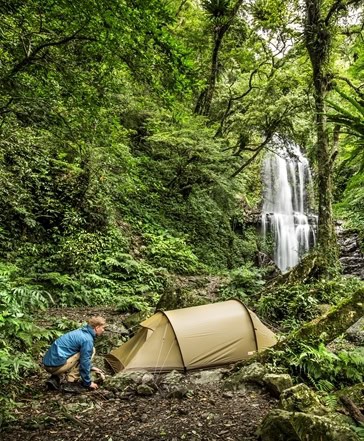
Have you ever wondered what makes your tent so durable and water-resistant? The answer often lies in a group of chemicals called PFAS.
But what exactly are PFAS, and why should you care about them when choosing your next tent? Understanding these substances can help you make safer and smarter decisions for your outdoor adventures. Keep reading to uncover the truth behind PFAS in tents and how they might affect you and the environment.
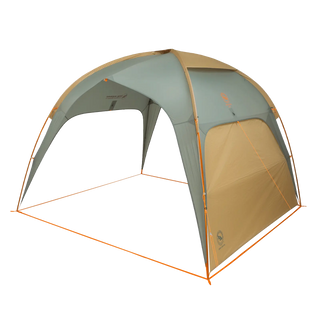
Credit: www.bigagnes.com
Pfas Basics
PFAS are man-made chemicals used to make products resist water, stains, and heat. They last a long time in the environment and in the human body.
These chemicals are found in many everyday items, including tents and outdoor gear. Learning about PFAS helps understand their impact.
What Are Pfas Chemicals
PFAS stands for per- and polyfluoroalkyl substances. They include thousands of chemicals used since the 1940s. PFAS repel water and oil, making them useful for many products.
- They do not break down easily in nature.
- PFAS can build up in animals and people.
- Long exposure may cause health problems.
Common Uses In Outdoor Gear
PFAS chemicals are often added to tents and outdoor gear. They help make fabrics waterproof and resistant to stains and dirt.
| Outdoor Gear | Purpose of PFAS |
| Tents | Waterproofing and stain resistance |
| Jackets | Water and oil repellency |
| Backpacks | Durability and stain protection |
| Sleeping bags | Water resistance and cleanliness |
Pfas In Tent Fabrics
PFAS are chemicals often used in tent fabrics. They help tents resist water and stains. These chemicals make tents last longer in bad weather.
Many tents use PFAS to keep fabric dry and clean. These substances are strong and stay on fabric for a long time.
Waterproofing And Stain Resistance
PFAS give tents waterproof and stain-resistant properties. They create a thin layer on fabric that repels water and dirt. This keeps tents dry inside during rain.
Stain resistance helps tents stay clean. It stops mud, food, and other stains from soaking into fabric. This makes cleaning tents easier.
- Water beads up on fabric surface
- Fabric stays dry even in heavy rain
- Dirt and stains do not stick easily
- Tents maintain appearance over time
How Pfas Are Applied
PFAS are added to tent fabrics during manufacturing. They can be sprayed or coated on fabric surfaces. Sometimes they mix with fabric fibers before weaving.
These chemicals bind tightly to fabric. This makes them last through use and washing. Different methods control how much PFAS fabric gets.
- Spraying liquid PFAS on fabric
- Coating fabric with PFAS layers
- Mixing PFAS with fibers before making fabric
- Heat setting to fix PFAS on fabric
Health Risks Linked To Pfas
PFAS are chemicals used in tents to make them water and stain resistant. These chemicals can harm human health if people are exposed to them for a long time.
Understanding the health risks of PFAS helps users stay safe when using tents and other outdoor gear.
Potential Toxicity
PFAS can build up in the body and may cause harmful effects. They can affect organs like the liver and kidneys.
These chemicals may also disrupt hormones and weaken the immune system. Children and pregnant women are more at risk.
- Damage to liver and kidneys
- Hormone disruption
- Weakened immune response
- Higher risk for children and pregnant women
Long-term Exposure Effects
Long-term exposure to PFAS may cause serious health issues. These include cancer, thyroid disease, and high cholesterol.
People exposed over many years may also face fertility problems and developmental delays in children.
- Increased risk of cancer
- Thyroid hormone problems
- High cholesterol levels
- Fertility issues
- Delays in child development
Environmental Impact
PFAS are chemicals often found in tents for water resistance. These chemicals harm the environment in many ways.
They do not break down easily and can stay in nature for a long time. This causes many problems for plants and animals.
Persistence In Nature
PFAS chemicals do not disappear quickly. They stay in soil, water, and air for many years.
Because of their strong bonds, natural processes cannot break them down. This makes PFAS a lasting pollutant.
Contamination Of Water Sources
PFAS can enter rivers, lakes, and groundwater from tents and other products. This pollutes drinking water for people and animals.
Water contamination from PFAS is hard to clean up. It can cause health risks to many living creatures.
Identifying Pfas-free Tents
PFAS are chemicals often used in tents to make fabrics waterproof. These chemicals can harm the environment and your health. Finding tents without PFAS helps reduce these risks.
Knowing how to spot PFAS-free tents is important. Look for clear labels and trusted brands to make safe choices.
Labels And Certifications
Labels and certifications show if a tent is free from PFAS. Some certifications test fabrics for harmful chemicals. They help buyers trust the product’s safety.
- OEKO-TEX Standard 100: Checks textiles for harmful substances.
- bluesign®: Ensures safe chemicals and sustainable production.
- GreenGuard: Tests products for low chemical emissions.
- PFAS-free label: Indicates no PFAS chemicals were used.
Brands Avoiding Pfas
Some tent brands now avoid PFAS to protect health and nature. They use alternative materials that still keep tents water-resistant.
| Brand | PFAS-Free Policy | Notes |
| EcoCamp | Yes | Uses natural waterproof coatings |
| SafeTrek | Yes | Certified by OEKO-TEX |
| NatureShelter | Partial | PFAS-free in selected models |
| GreenTrail | Yes | Focus on sustainable fabrics |
Reducing Pfas Exposure Outdoors
PFAS are chemicals used to make tents water and stain resistant. These chemicals can stay in the environment and may harm your health.
It is important to reduce your exposure to PFAS when using tents outdoors. Simple steps can help keep you safe while enjoying nature.
Safe Tent Usage Tips
Use your tent in ways that lower contact with PFAS. Avoid touching the tent fabric too much. Keep the tent clean and dry.
Air out your tent before sleeping inside. Wash your hands after handling the tent. Store tents in a dry place to reduce chemical build-up.
- Set up tents away from direct sunlight to avoid chemical release
- Do not use tents as a cooking shelter to prevent inhaling fumes
- Clean tents with mild soap and water, avoid harsh chemicals
- Let tents dry fully before packing to stop mold and chemical reactions
Alternative Materials
Look for tents made with materials that do not contain PFAS. Natural fibers and newer fabrics often avoid these chemicals.
Choosing tents without PFAS helps reduce pollution and protects your health. Many brands now offer safer, eco-friendly options.
- Cotton canvas tents are durable and PFAS-free
- Polyester tents with water repellent coatings free of PFAS
- Look for tents labeled as PFAS-free or eco-friendly
- Use a rainfly made from natural or non-toxic materials
Regulations And Industry Response
PFAS are chemicals used in tents to make them water and stain resistant. These substances can harm the environment and health. Governments and companies are working on rules and safer options.
This section explains current laws about PFAS in tents and how makers are changing their ways.
Current Legal Standards
Many countries have rules to control PFAS in products. These laws limit the amount of PFAS allowed in tents and require clear labeling.
- The European Union restricts PFAS in outdoor gear under REACH regulations.
- The United States EPA is reviewing PFAS use and setting limits.
- Some states ban PFAS in consumer products, including tents.
- Manufacturers must test tents for PFAS before selling.
Shifts In Manufacturing Practices
Tent makers now seek safer materials and new ways to make tents water-resistant without PFAS.
| Change | Details |
| Using PFAS-free coatings | Many brands use new chemicals that do not contain PFAS. |
| Improved fabric technology | Some tents use tight-weave fabrics to block water without chemicals. |
| Testing and certification | Companies test tents to confirm no harmful PFAS remain. |
| Clear labeling | Labels show if tents are PFAS-free to help buyers choose safely. |

Credit: www.ebay.com

Credit: riseoutdoor.ca
Frequently Asked Questions
What Are Pfas Chemicals In Tents?
PFAS are synthetic chemicals used to make tents water-resistant. They repel water, oil, and stains, enhancing tent durability and performance.
Are Pfas Harmful In Camping Tents?
Yes, PFAS can be harmful. They persist in the environment and may pose health risks if inhaled or absorbed over time.
Why Do Manufacturers Use Pfas In Tents?
Manufacturers use PFAS for their excellent water and stain repellent properties. This helps tents stay dry and clean in harsh weather.
How Can I Identify Pfas In My Tent?
PFAS are often found in the tent’s waterproof coatings. Check product labels or ask manufacturers about the materials used.
Conclusion
PFAS in tents affect both health and the environment. These chemicals help tents resist water and stains. Yet, they can harm people and nature over time. Choosing tents without PFAS reduces risks. Always check labels and ask sellers about materials.
Safe camping means enjoying nature without hidden dangers. Understanding PFAS helps you make smart choices. Stay informed and protect yourself and the earth. Simple steps can lead to safer outdoor fun.