Choosing the right rock climbing shoes can make all the difference between a great climb and a frustrating one. You want shoes that fit perfectly, feel comfortable, and give you the grip and support you need on the rock.
But with so many options out there, how do you know which ones are right for you? This guide will help you understand what to look for in climbing shoes, so you can boost your performance and enjoy every climb with confidence.
Keep reading, and you’ll learn how to pick shoes that fit your style, your feet, and your goals perfectly.
Credit: www.climbing.com
Types Of Climbing Shoes
Choosing the right climbing shoes is important for comfort and performance. Different shoes suit different climbing styles and skill levels.
Climbing shoes mainly come in three types: neutral, moderate, and aggressive. Each type has unique features for various uses.
Neutral Shoes
Neutral shoes have a relaxed shape with little to no curve. They feel like regular shoes and offer comfort for long climbs.
These shoes are good for beginners and crack climbers. They allow your toes to rest naturally and reduce foot pain.
- Flat sole design
- Roomy toe box
- Good for all-day wear
- Best for beginners or trad climbing
Moderate Shoes
Moderate shoes have a slight curve to support the foot better. They balance comfort and performance well for many climbers.
These shoes work for sport climbing and gym sessions. They provide better toe power while still being fairly comfortable.
- Moderate downturn shape
- Snug fit with some toe space
- Good for edging and smearing
- Suitable for intermediate climbers
Aggressive Shoes
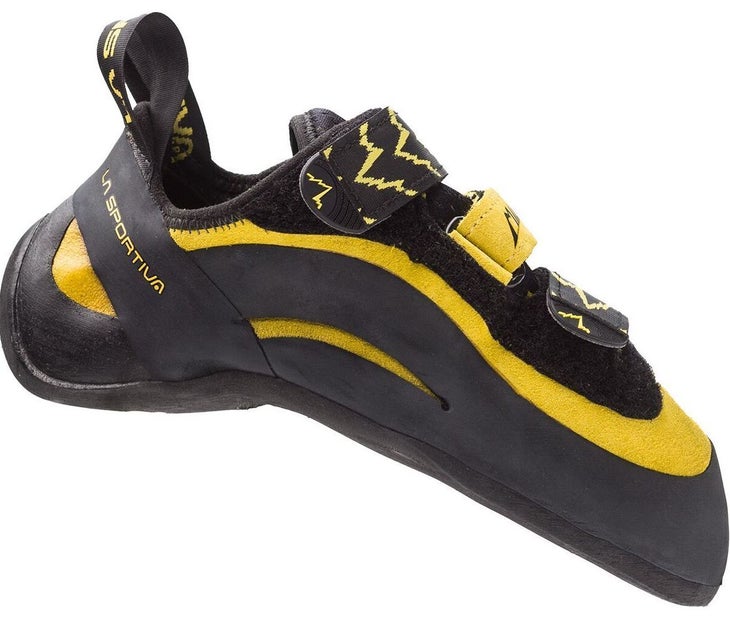
Aggressive shoes have a strong downward curve. They help climbers put maximum power on small holds and overhangs.
These shoes fit very tight and can be less comfortable. They are best for advanced climbers tackling difficult routes.
- Strongly downturned toe box
- Tight, precise fit
- Designed for steep, technical climbs
- Used mostly by experienced climbers
Key Features To Consider
Choosing the right rock climbing shoes is important for safety and performance. The features you pick affect your comfort and climbing ability.
Here are key features to look at before buying your climbing shoes. Each one plays a role in how well the shoes will work for you.
Fit And Comfort
Shoes must fit snugly but not hurt your feet. A good fit helps with control and reduces foot pain during climbs.
- Try shoes on at the end of the day when feet are slightly swollen.
- Check for tight spots or pressure points.
- Your toes should be slightly curled, not cramped.
- Walk around to test comfort before buying.
Sole Stiffness
The stiffness of the sole affects how you feel on small holds. Stiffer soles offer support on edges. Softer soles allow more sensitivity on tiny holds.
| Stiffness Level | Best For |
| Stiff | Long routes and edging |
| Medium | All-around climbing |
| Soft | Smearing and delicate moves |
Closure Systems
Closures affect how easily you put shoes on and how tight they stay. Common types include laces, Velcro straps, and slip-ons.
- Laces offer a custom fit and adjustability.
- Velcro is quick to put on and take off.
- Slip-ons fit like socks and are good for bouldering.
Material And Breathability
Shoe material impacts breathability and stretch. Leather stretches more but breathes less. Synthetic materials keep their shape and dry faster.
| Material | Breathability | Stretch |
|---|---|---|
| Leather | Low | High |
| Synthetic | High | Low |
| Mixed | Medium | Medium |
Matching Shoes To Climbing Styles
Choosing the right rock climbing shoes depends on your climbing style. Different shoes work better for different types of climbing.
Understanding your climbing style helps you pick shoes that fit well and perform best on your climbs.
Bouldering
Bouldering needs shoes with a tight fit and good sensitivity. You need to feel the rock well to place your feet precisely.
Look for downturned shoes. They help with steep and overhanging routes by focusing power on the toes.
- Tight fit for better control
- Downturned shape for toe power
- Sticky rubber for grip
- Flexible soles for sensitivity
Sport Climbing
Sport climbing shoes balance comfort and performance. You climb longer routes, so shoes should stay comfortable.
Choose shoes with moderate downturn and good edging support. This helps on vertical and technical routes.
- Moderate fit for comfort
- Stiff sole for edging
- Good heel fit for stability
- Durable rubber for long climbs
Trad Climbing
Trad climbing needs shoes with comfort and protection. You wear them for hours on various surfaces.
Look for flat or slightly downturned shoes. They should offer good support and protect your feet on cracks.
- Comfortable fit for long wear
- Flat or slight downturn shape
- Stiff sole for support
- Durable and protective materials
Indoor Climbing
Indoor climbing shoes focus on versatility and comfort. You climb different holds and routes.
Shoes with neutral or moderate downturn work well. They should be easy to put on and take off often.
- Comfortable and easy to wear
- Neutral or slight downturn shape
- Sticky rubber for artificial holds
- Good breathability for indoor use

Credit: www.climbinganchors.com.au
Sizing Tips For The Perfect Fit
Choosing the right size for rock climbing shoes is very important. A perfect fit helps you climb better and stay comfortable.
Rock climbing shoes should fit snugly but not hurt your feet. Read these tips to find the best size for you.
Trying On Shoes
Always try climbing shoes on in the afternoon. Your feet swell a bit during the day, so this gives a true fit.
Wear the same type of socks or no socks, depending on your usual climbing style. This helps match real use.
Heel And Toe Fit
The heel should feel tight and hold your foot firmly without pain. A loose heel can cause slipping.
Your toes should be slightly curled, not smashed. The shoe should support the toes well for good control.
- Heel: snug but not painful
- Toes: gently curled and secure
- No dead space inside the shoe
Breaking-in Period
New climbing shoes may feel tight at first. They stretch a little with use but should not hurt badly.
Wear them for short periods at home before long climbs. This helps your feet adjust to the shoes.
- Start with short sessions
- Gradually increase wear time
- Stop if you feel sharp pain
Maintenance And Longevity
Rock climbing shoes need proper care to last longer and perform well. Small habits help keep them in good shape.
Learn simple tips to clean, fix, and know when to replace your climbing shoes.
Cleaning And Care
Clean your shoes regularly to remove dirt and sweat. Use a soft brush or cloth. Avoid soaking them in water.
- Wipe shoes after each use with a damp cloth
- Let shoes air dry away from direct heat
- Use baking soda or special sprays to reduce odor
- Store shoes in a cool, dry place
Resoling Shoes
Resolving extends the life of your shoes. It replaces worn-out rubber soles without changing fit or comfort.
Choose a professional cobbler who uses quality rubber. Check sole thickness and glue condition before resolving.
| Signs You Need Resoling | Details |
| Worn Rubber | Soling rubber is thin or missing in spots |
| Loose Soles | Soles start to peel off from the shoe |
| Reduced Grip | Slipping more on climbs |
When To Replace
Replace shoes if damage goes beyond repair. The fit feels off or the structure is weak.
- Check for holes or tears in upper material
- Notice if shoe shape changes and fit loosens
- Feel for sole parts that separate or crack
- Decide if repairs cost more than new shoes
Budgeting Your Purchase
Choosing the right rock climbing shoes depends on your budget. Shoes come in many price ranges. Knowing your budget helps you find the best fit and quality.
Spend money wisely to get shoes that feel comfortable and last long. This guide breaks down options by price range.
Entry-level Options
Entry-level shoes cost less and suit beginners. They offer good comfort and basic features. These shoes work well for indoor climbing and light outdoor use.
- Price range: $50 to $90
- Focus on comfort and fit
- Made with durable materials but less technical
- Ideal for casual climbers or beginners
Mid-range Choices
Mid-range shoes balance price and performance. They offer better materials and fit. These shoes work for regular climbers and more challenging routes.
| Price Range | $90 – $150 |
| Material | Higher quality leather or synthetic |
| Fit | Snug, with more shape options |
| Use | Indoor and outdoor climbing |
| Durability | Improved for frequent use |
High-end Shoes
High-end shoes cost more but give top performance. They use advanced materials and designs. These shoes suit serious climbers and tough climbs.
- Price above $150
- Precision fit with aggressive shape
- Lightweight and breathable materials
- Specialized soles for better grip
- Long-lasting with repair options

Credit: www.evolvsports.com
Frequently Asked Questions
What Size Should Rock Climbing Shoes Be?
Rock climbing shoes should fit snugly without causing pain. Choose a size smaller than your regular shoes for better control and sensitivity.
How To Choose Climbing Shoes For Beginners?
Beginners should select comfortable, supportive shoes with moderate stiffness. Avoid overly aggressive shoes to prevent discomfort and improve learning.
What Type Of Rock Climbing Shoes Suits My Climbing Style?
Match shoe type to your climbing style: stiff for edging, soft for smearing, aggressive for overhangs. This enhances performance and comfort.
How Important Is Shoe Material In Climbing Shoes?
Shoe material affects breathability, flexibility, and durability. Leather molds to your feet, while synthetic offers less stretch but more weather resistance.
Conclusion
Choosing the right rock climbing shoes takes time and patience. Comfort and fit matter most for your climbing success. Think about the shoe type and how you will use it. Trying different pairs helps you find the best match. Good shoes improve grip and protect your feet.
Remember, the right shoes make climbing safer and more fun. Take your time, and enjoy the climb!