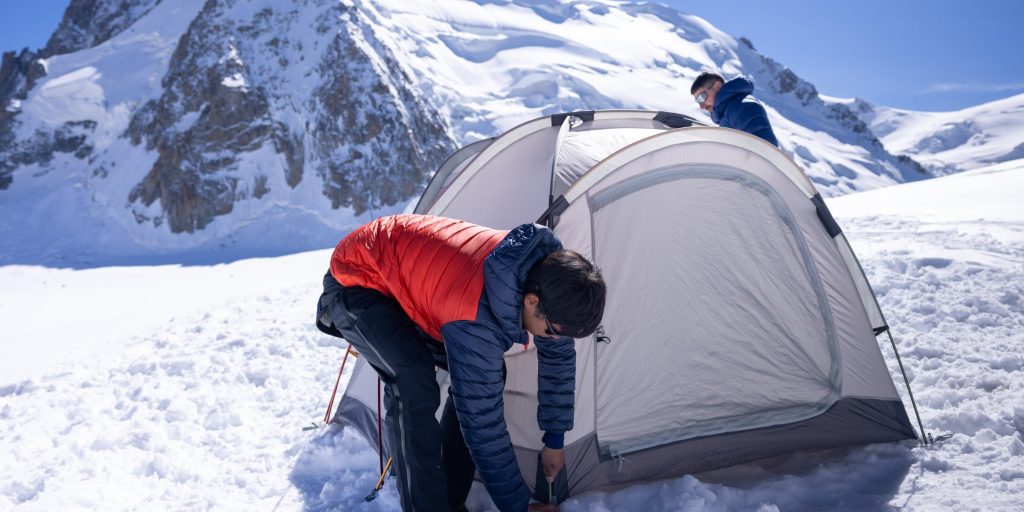
Camping in a tent can be an amazing experience, but staying warm can quickly turn your adventure into a challenge. You don’t want cold nights to ruin your trip or leave you tossing and turning.
Imagine waking up refreshed, cozy, and ready to enjoy the day—no shivering, no discomfort. In this guide, you’ll discover simple, effective tips to keep your body heat locked in and the cold out. Whether you’re a beginner or a seasoned camper, these easy strategies will change the way you camp for the better.
Keep reading to learn how to stay warm and make every night in your tent comfortable and inviting.
Choosing The Right Tent
Picking the right tent is key to staying warm while camping. A good tent shields you from cold and wind. It also keeps moisture out and traps heat inside.
This guide covers what to know about tent types, size, and weather resistance. These factors help you stay comfortable during cold nights.
Four-season Vs Three-season Tents
Four-season tents are built for cold, windy, and snowy weather. They have stronger poles and thicker fabric. They keep warmth better but can be heavier to carry.
Three-season tents work well in spring, summer, and fall. They offer good ventilation and are lighter. But they do not protect as well from heavy snow or strong winds.
- Choose four-season tents for winter camping and snow.
- Pick three-season tents for mild and dry weather trips.
- Consider the weather and weight before deciding.
Tent Size And Insulation
A tent that fits you well keeps heat inside. Too much extra space lets cold air settle. A smaller tent is easier to warm up with your body heat.
| Size | Benefit |
| 1-2 person | Traps heat quickly, less air space |
| 3-4 person | More room but harder to keep warm |
| 5+ person | Spacious but cold inside in winter |
Look for tents with insulated fabrics or a double-wall design. These tents help keep warmth inside while reducing condensation.
Wind And Weather Resistance
Strong wind can lower your tent’s temperature fast. Choose tents with sturdy poles and secure guy lines. These tents stand firm in bad weather.
Tips to improve wind resistance:
- Pick a tent with a low profile shape
- Use all the tent’s stakes and guy lines
- Set up your tent behind natural wind barriers
Selecting Warm Sleeping Gear
Staying warm while tent camping depends a lot on the right sleeping gear. Good gear helps keep your body heat inside and cold air out. Choosing the best items can make your camping trip much more comfortable.
Below are key types of sleeping gear to focus on. Each type plays a role in keeping you warm on cold nights outdoors.
Sleeping Bags For Cold Weather
Cold weather sleeping bags have special insulation to trap heat. Look for bags rated for temperatures lower than you expect to face. Down and synthetic fills are common choices.
- Down sleeping bags are lightweight and compress well.
- Synthetic bags keep warmth even if damp.
- Choose a mummy shape to reduce heat loss.
- Check the temperature rating before buying.
Insulated Sleeping Pads
Sleeping pads keep cold from the ground away from your body. Insulation in the pad adds warmth. A thicker pad usually means better warmth and comfort.
| Type of Pad | Warmth Level (R-Value) | Weight |
| Foam Pad | 2.0 – 3.0 | Light |
| Air Pad with Insulation | 3.5 – 5.0 | Moderate |
| Self-Inflating Pad | 3.0 – 4.0 | Heavier |
Using Sleeping Bag Liners
Sleeping bag liners add extra warmth inside your bag. They are easy to carry and clean. Liners also keep your bag cleaner for longer.
- Increase warmth by 5 to 10 degrees Fahrenheit
- Protect sleeping bag from dirt and sweat
- Lightweight and easy to pack
- Can be used alone in warmer weather
Layering Clothing Effectively
Staying warm while tent camping depends a lot on how you dress. Layering your clothes helps keep heat in and moisture out.
Each layer has a special job. Wearing the right layers in the right order can make your camping trip much more comfortable.
Base Layers For Moisture Control
The base layer sits next to your skin. Its main job is to move sweat away and keep you dry. Materials like wool or synthetic fabrics work best.
- Choose tight-fitting shirts and leggings
- Avoid cotton because it holds moisture
- Look for fabrics labeled “moisture-wicking”
Insulating Layers
The insulating layer traps body heat to keep you warm. Fleece and down jackets are popular choices. You can add or remove this layer as temperatures change.
| Material | Warmth | Weight |
| Fleece | Good | Light |
| Down | Very Warm | Very Light |
| Synthetic Insulation | Good | Medium |
Outer Layers For Protection
The outer layer shields you from wind, rain, and snow. Waterproof and windproof jackets or shells help keep the cold air out.
- Choose a jacket with a hood for extra warmth
- Look for breathable fabrics to avoid sweating
- Make sure the outer layer fits over other layers comfortably

Credit: m.youtube.com
Setting Up Camp For Warmth
Staying warm while tent camping depends a lot on how you set up your camp. Small choices can make your experience much more comfortable. This guide covers key ways to keep heat inside your tent.
Focus on picking the right spot, insulating the ground, and managing air flow. Each step helps keep cold air out and warmth in.
Choosing A Sheltered Campsite
Pick a campsite that blocks wind and keeps heat trapped. Look for natural barriers like trees, bushes, or hills. Avoid open spaces that let cold winds blow through.
- Find a spot near large rocks or dense trees for wind protection
- Set up camp in a valley or hollow to stay shielded
- Avoid low spots where cold air settles
- Look for dry ground to prevent cold moisture
Ground Insulation Techniques
Cold ground can pull heat away from your body. Insulating the floor of your tent stops this. Use materials that trap air and block cold.
| Insulation Material | Benefits | Notes |
|---|---|---|
| Foam Sleeping Pad | Lightweight and blocks cold well | Easy to carry |
| Blankets or Rugs | Add extra warmth on top of pads | Use wool or fleece for best results |
| Leaves or Pine Needles | Natural and free ground cover | Use dry layers to avoid moisture |
| Emergency Mylar Blanket | Reflects body heat back inside | Place under sleeping pad |
Proper Tent Ventilation
Good ventilation stops moisture buildup inside your tent. Moist air can make you feel colder. Let fresh air flow without letting cold drafts in.
- Open vents or windows slightly to allow air flow
- Keep tent door zipped except when entering or exiting
- Use a mesh screen to block bugs but let air pass
- Remove wet clothes and gear from inside the tent
Using Heat Sources Safely
Staying warm while tent camping is important for comfort and safety. Using heat sources inside your tent needs care to avoid dangers like fire or carbon monoxide poisoning.
Always follow instructions for any heating device. Keep safety in mind to enjoy a warm and safe camping experience.
Portable Heaters And Warmers
Portable heaters can provide quick warmth inside your tent. Use only heaters designed for indoor or tent use. Avoid heaters that use open flames or produce toxic fumes.
Place heaters on a flat, stable surface away from sleeping bags or flammable materials. Always keep a window slightly open to allow fresh air flow.
- Use battery-powered or electric heaters if possible
- Never leave heaters unattended
- Keep heaters away from tent walls and gear
- Check for carbon monoxide risks with fuel heaters
Hot Water Bottles And Heat Packs
Hot water bottles and heat packs are safe ways to stay warm inside your sleeping bag. They provide gentle heat without fire risk. Fill bottles with hot water before bed.
Heat packs can be activated by squeezing or shaking. Use them inside your sleeping bag or pockets to keep hands warm during the night.
- Check for leaks in hot water bottles
- Wrap heat packs in cloth to avoid burns
- Replace heat packs once they cool down
- Use only approved heat packs for camping
Campfire Warmth Tips
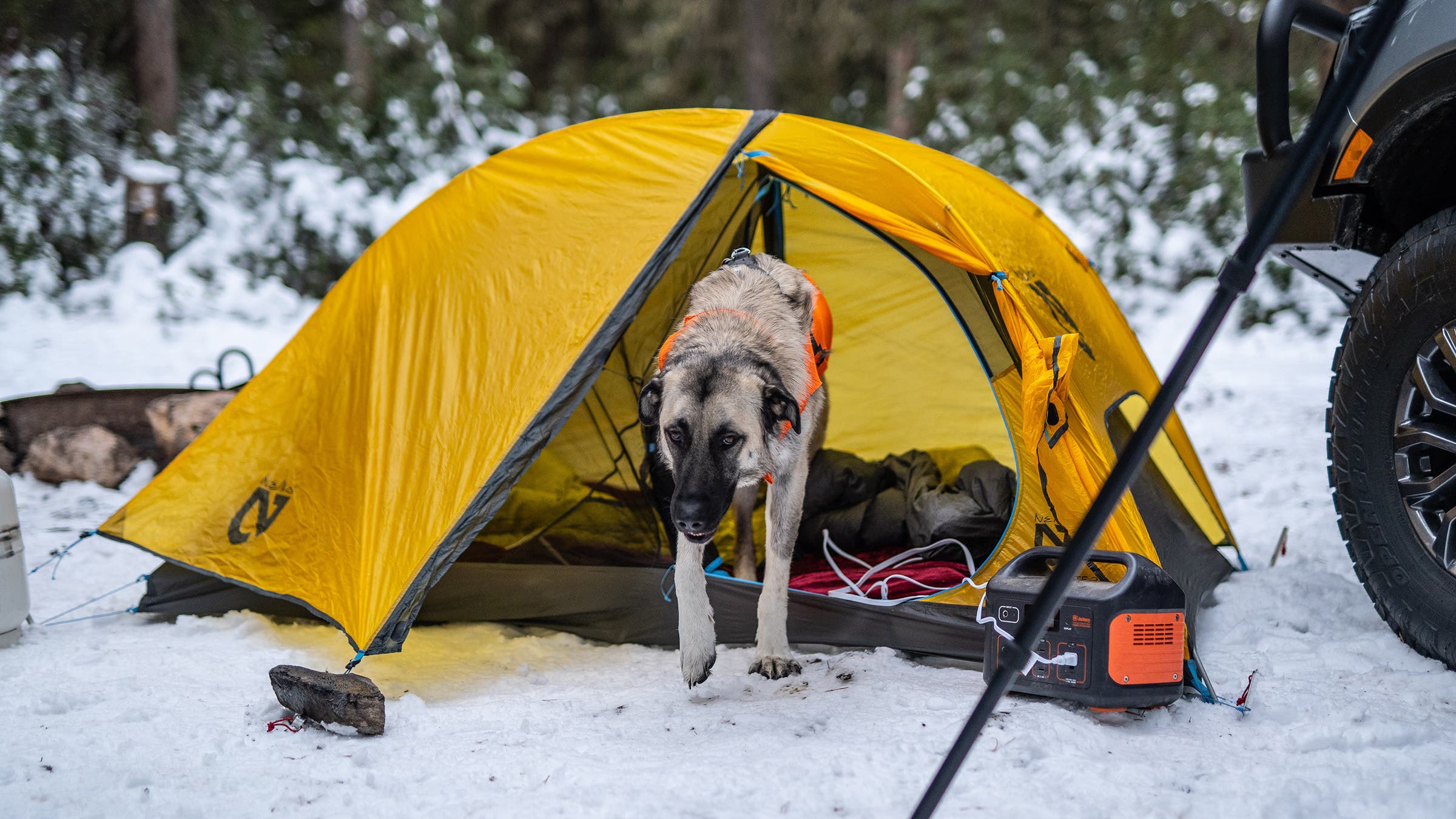
A campfire is a classic way to stay warm outdoors. Build your fire safely outside the tent and away from dry brush. Keep water or sand nearby to put out the fire.
Never bring a campfire or hot coals inside your tent. Use the fire to warm up before bed, then let it burn out completely. Always follow fire safety rules.
- Clear area around fire of leaves and twigs
- Build fire ring with rocks to contain flames
- Keep fire small and manageable
- Extinguish fire fully before sleeping or leaving
Credit: www.outsideonline.com
Eating And Drinking For Warmth
Staying warm while tent camping starts with what you eat and drink. Food and fluids help your body keep heat.
Choosing the right meals and drinks can make a big difference on cold nights outdoors.
Warm Meals And Drinks
Eating warm meals helps raise your body temperature. Hot drinks also warm you from the inside.
Soups, stews, and hot cereals are good choices. Warm tea or hot chocolate can keep you cozy.
- Cook meals that are easy to heat and filling
- Choose foods with protein and healthy fats for lasting warmth
- Drink warm beverages regularly, especially before bed
Hydration And Body Heat
Staying hydrated helps your body keep warm. Dehydration lowers your ability to stay warm.
Drink water often, even if you do not feel thirsty. Warm water is best for cold weather.
- Carry water and sip small amounts throughout the day
- Drink warm fluids to maintain your core temperature
- Avoid letting your water freeze by storing it in insulated bottles
Avoiding Alcohol And Caffeine
Avoid alcohol because it makes your body lose heat faster. It also lowers your judgment.
Caffeine can make you lose water through urine. This causes dehydration and chills.
- Do not drink alcohol to try to warm up
- Limit coffee and caffeinated drinks in cold weather
- Choose herbal teas or warm water instead
Maintaining Body Heat Overnight
Staying warm while tent camping is very important. Your body loses heat at night, so you need to keep it warm. This helps you sleep better and stay safe.
There are simple ways to keep your body heat. You can do things before bed and while you sleep to stay warm all night long.
Pre-bedtime Warm-up
Warming your body before going to bed helps keep heat inside. You can do light exercises to raise your body temperature. This makes falling asleep warmer and easier.
A warm drink or a hot shower can also help your body feel cozy. Avoid sweating too much as wet clothes cool you down quickly.
- Do jumping jacks or jog in place for 5 minutes
- Drink warm herbal tea or hot chocolate
- Take a warm shower but dry off well
- Change into dry, warm clothes before bed
Keeping Extremities Covered
Your hands, feet, and head lose the most heat. Keeping these parts covered helps keep your whole body warm. Use warm gloves, socks, and hats inside your sleeping bag.
Choose materials like wool or fleece. These keep heat better than cotton. Make sure your covers are dry and fit well to stop heat from escaping.
- Wear thick wool socks and warm gloves
- Use a hat or beanie to cover your head
- Keep your face shielded from cold air
- Change wet socks or gloves immediately
Avoiding Heat Loss
Heat escapes through many ways when camping. Avoid cold air, dampness, and poor insulation. Use a good sleeping pad to block cold from the ground.
Seal your tent well and close zippers to stop drafts. Keep your sleeping bag dry and use a liner to add warmth. Avoid wearing wet clothes inside your sleeping bag.
- Use an insulated sleeping pad under your bag
- Keep tent doors and vents closed at night
- Use a sleeping bag liner for extra warmth
- Change out of wet clothes before sleeping
Credit: www.theshowerpouch.com
Additional Tips And Tricks
Staying warm while tent camping can be tough in cold weather. Using simple tricks helps keep you cozy. These tips focus on extra ways to keep heat in and cold out.
Here are some smart ideas to add warmth and comfort to your camping experience. Each method works well on its own or combined with others.
Using Reflective Blankets
Reflective blankets are thin and light. They reflect your body heat back to you. You can place one inside your sleeping bag for extra warmth.
- Line the tent floor with a reflective blanket to reduce heat loss.
- Wrap yourself in a reflective blanket before sleeping.
- Cover your backpack with one to keep gear warm.
Keeping Gear Dry
Wet clothes and gear lose their insulation ability. Keeping everything dry is key to staying warm. Use waterproof bags and covers to protect your items.
| Item | Drying Tip |
| Clothes | Store in waterproof bags; air dry daily |
| Sleeping Bag | Keep in a dry sack; avoid ground contact |
| Boots | Remove wet liners; dry near heat source |
| Tent | Set up on dry ground; use a footprint |
Buddy System For Warmth
Sharing body heat is a natural way to stay warm. The buddy system helps campers keep warm by sleeping close or sharing gear.
Try these ideas for the buddy system:
- Sleep close together inside the tent.
- Share a large sleeping bag made for two.
- Pass warm water bottles to each other at night.
- Take turns warming up outside before entering the tent.
Frequently Asked Questions
How Can I Insulate My Tent For Cold Weather?
Use a tent footprint and an insulated sleeping pad. Add a thermal blanket inside the tent floor. Seal all gaps to prevent drafts. These steps trap heat and keep cold air out, making your tent warmer during camping.
What Clothing Is Best For Staying Warm Camping?
Wear layers: moisture-wicking base layer, insulating middle layer, and waterproof outer layer. Use wool or synthetic fabrics, not cotton. Bring a warm hat, gloves, and thermal socks to retain body heat effectively while tent camping.
How Do I Keep My Sleeping Bag Warm Overnight?
Choose a sleeping bag rated for the lowest expected temperature. Use a sleeping bag liner for extra warmth. Keep your sleeping bag dry and avoid overheating before bed to maintain consistent warmth all night.
Can Hot Water Bottles Help Keep Warm In Tents?
Yes, fill a durable bottle with hot water and place it inside your sleeping bag. It provides lasting warmth and helps maintain body heat. Always use a secure, leak-proof bottle to avoid burns or moisture inside the tent.
Conclusion
Staying warm while tent camping keeps your trip safe and fun. Dress in layers and choose the right sleeping bag. Use a good sleeping pad to block cold from the ground. Keep your tent dry and well-ventilated to avoid dampness.
Small heaters or hot water bottles help, but stay cautious. Plan ahead and check the weather before you go. Warmth means comfort, better sleep, and more energy for adventure. Simple steps make cold nights much easier to handle. Enjoy your camping, even when it’s chilly outside!