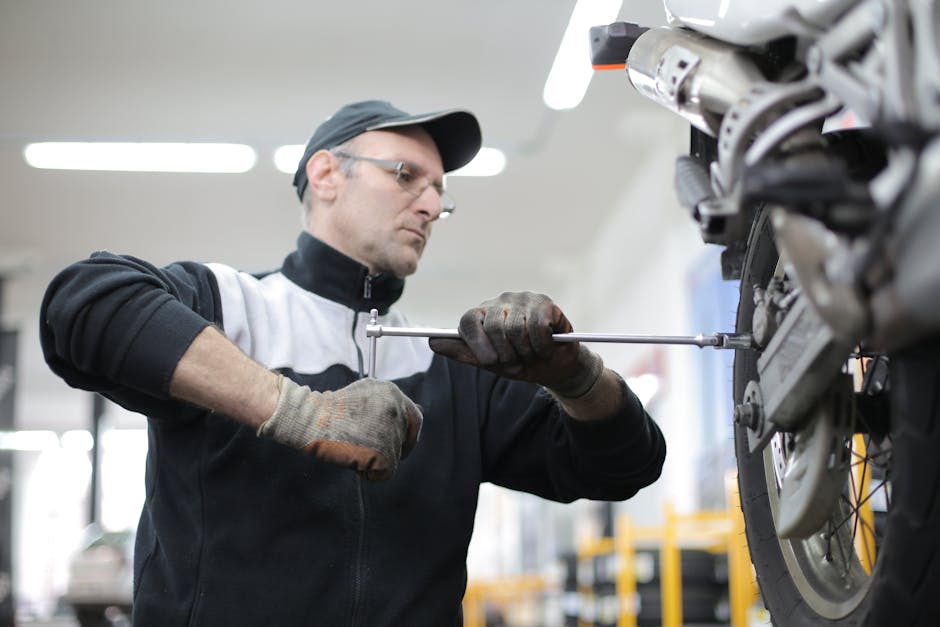
Your motorcycle tires are the only contact point between you and the road. That means their condition directly affects your safety and riding experience.
But how do you know when it’s time to change them? If you wait too long, you risk slipping, poor handling, or even accidents. Change them too early, and you waste money. You’ll discover the clear signs your tires need replacing and the simple checks you can do yourself.
Keep reading to protect your ride and stay in control every time you hit the road.
Credit: www.motorcyclistonline.com
Signs Of Worn Motorcycle Tires
Motorcycle tires wear out over time and affect your safety. It is important to check your tires often. Knowing the signs helps you change tires at the right time.
Worn tires can cause poor handling and increase the risk of accidents. Look for clear signs that show your tires need replacement.
Tread Depth And Wear Indicators
Tread depth is the measurement of the grooves on your tire. These grooves help grip the road. When the tread is too shallow, your tire loses traction.
Most tires have wear indicators. These are small raised bars inside the grooves. If the tread is level with these bars, it is time to replace the tire.
- Check tread depth with a gauge or coin
- Look for wear bars inside tire grooves
- Replace tires if tread is worn down to the bars
Visible Cracks And Dry Rot
Cracks on the tire surface show the rubber is aging or damaged. Dry rot happens when tires dry out and lose flexibility. These conditions weaken the tire.
Check for cracks on the sidewalls and tread area. If you see small cracks or the tire feels brittle, it may be unsafe to ride.
- Inspect sidewalls for cracks or splits
- Look for dry, brittle rubber patches
- Replace tires showing signs of dry rot
Uneven Tire Wear Patterns
Uneven wear means parts of the tire wear faster than others. This can cause poor handling and unsafe riding. Uneven wear happens from bad alignment or incorrect tire pressure.
Check your tires regularly for bald spots or areas that look worn out more than others. These signs mean you need new tires or a bike check.
- Look for bald spots on the tire surface
- Check if one side wears faster than the other
- Fix alignment or pressure issues to avoid uneven wear
Mileage And Tire Lifespan
Knowing when to change motorcycle tires is important for safety. Tires wear out over time and with use. Checking mileage and lifespan helps you avoid accidents.
Different tires last for different distances. Factors like riding style and road conditions also affect tire life. Understanding these helps you keep your bike safe.
Average Mileage For Different Tire Types
Motorcycle tires come in many types. Each type has a different average mileage before needing replacement. Knowing these numbers helps plan your tire changes.
- Sport tires last about 3,000 to 6,000 miles
- Touring tires can go 8,000 to 12,000 miles
- Dual-sport tires usually last 5,000 to 10,000 miles
- Off-road tires wear faster, around 2,000 to 4,000 miles
Factors Affecting Tire Longevity
Tire life depends on more than just mileage. Other things can make tires wear faster or slower. Knowing these helps keep tires in good shape.
- Riding style: Aggressive riding wears tires faster
- Road surface: Rough roads cause quicker tire wear
- Tire pressure: Low pressure increases tire damage
- Load weight: Heavy loads strain tires more
- Weather: Heat can soften tires and speed wear
- Storage: Poor storage can dry out tires
Impact Of Riding Conditions
Riding conditions greatly affect when you should change motorcycle tires. Different environments wear tires in different ways. Knowing these effects helps keep you safe on the road.
Understanding how your riding style and weather affect tire wear helps you plan tire changes. This keeps your bike running smoothly and improves grip on the road.
Urban Vs. Highway Riding
Urban riding means frequent stops and starts. This causes more heat and friction on tires. Tires wear faster in cities because of this stress.
Highway riding keeps a steady speed for longer times. This causes less tire wear compared to city riding. But long trips can still cause tire aging.
- Urban riding wears tires quickly due to braking and accelerating.
- Highway riding causes even wear but slower tread loss.
- Stop-and-go traffic heats tires more than steady speeds.
- Check tires often if you ride mostly in the city.
Weather And Climate Effects
Weather changes affect tire rubber and grip. Hot weather makes tires softer and wears them faster. Cold weather hardens tires and reduces grip.
Wet roads also change how tires wear. Water can reduce friction but cause uneven wear if tires slip. Dry climates may cause cracks in older tires.
- Hot weather speeds up tire wear.
- Cold weather makes tires stiff and less safe.
- Wet roads need tires with good grip to avoid slipping.
- Dry, sunny climates can cause tire cracks over time.
Performance Changes To Watch
Motorcycle tires wear out over time. This affects how your bike rides. Watching for performance changes helps keep you safe.
Knowing when to change tires is key. Some signs show your tires are losing their grip and control.
Decreased Traction And Grip
Old tires lose their ability to stick to the road. This can make braking longer and turns riskier.
Wet roads become especially dangerous with worn tires. You may feel slipping or sliding more often.
- Longer stopping distances
- Less control on corners
- More slipping on wet surfaces
Handling And Stability Issues
Worn tires can cause your bike to feel shaky or unstable. This makes riding less smooth and more tiring.
You might notice your bike pulls to one side or feels loose at high speeds. These are signs tires need replacement.
- Bike wobbles or shakes
- Pulling to one side
- Loose feeling on straight roads
Safety Risks Of Old Tires
Old motorcycle tires lose their grip and strength over time. Riding on worn tires increases the chance of accidents.
Understanding the risks helps riders know when to replace their tires for safer rides.
Increased Blowout Risk
As tires age, their rubber becomes brittle and weak. This makes them more likely to burst suddenly.
- Cracks appear on the tire surface
- Internal tire structure weakens
- Pressure loss happens faster
- Sudden blowouts can cause crashes
Longer Braking Distances
Old tires do not grip the road well. This causes motorcycles to take longer to stop.
| Condition | Braking Distance |
| New Tires | 20 meters |
| Worn Tires | 35 meters |
| Old Tires | 50 meters |

Credit: www.reddit.com
Tips For Regular Tire Maintenance
Keeping motorcycle tires in good shape helps you ride safely. Regular care can extend tire life and improve performance.
Check your tires often to spot problems early. This guide covers inflation and inspection tips to keep tires reliable.
Proper Inflation And Pressure Checks
Correct tire pressure is key for safety and tire health. Check pressure before every ride using a reliable gauge.
- Use the pressure recommended in your motorcycle’s manual.
- Check pressure when tires are cold for accurate readings.
- Do not forget the spare tire if your bike has one.
- Adjust pressure based on load and riding conditions.
- Inspect valve caps and replace if missing or damaged.
Routine Inspection Guidelines
Look over tires regularly for signs of wear or damage. Early fixes can prevent accidents and costly repairs.
| Inspection Area | What to Check | Action Needed |
|---|---|---|
| Tread Depth | Ensure grooves are deep enough to grip the road. | Replace tires if tread is below 1.6 mm. |
| Sidewalls | Look for cracks, cuts, or bulges on the tire sides. | Replace tire if any damage is found. |
| Wear Pattern | Check for uneven wear across the tire surface. | Adjust alignment or suspension if wear is uneven. |
| Foreign Objects | Remove nails, glass, or stones lodged in the tire. | Repair or replace tire if punctured. |
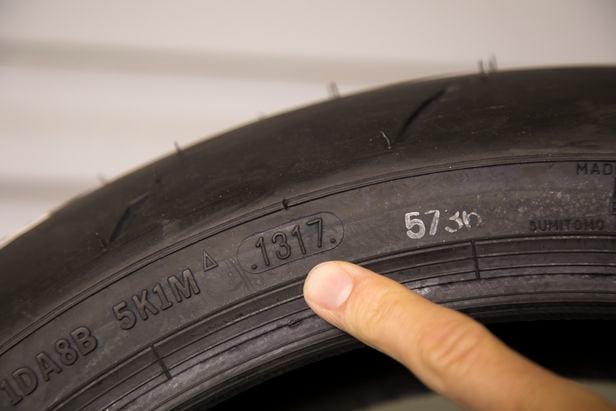
| Age | Check tire manufacturing date on the sidewall. | Consider replacing tires older than 5 years. |
When To Consult A Professional
Changing motorcycle tires can be tricky and risky. Knowing when to ask a professional helps keep you safe.
Experts can spot problems and choose the right tires for your bike and riding style.
Signs That Need Expert Advice
Some tire issues need more than just a quick fix. Look for these signs and get expert help.
- Uneven tire wear that looks unusual
- Cracks or deep cuts on the tire surface
- Frequent loss of tire pressure
- Vibrations or wobbling while riding
- Damage from hitting potholes or curbs
Choosing The Right Replacement Tires
Selecting new tires is not simple. Experts help pick tires that match your motorcycle and riding needs.
| Factor | Details |
| Tire Type | Sport, touring, off-road, or cruiser |
| Size | Match manufacturer’s recommended tire size |
| Rubber Compound | Softer for grip, harder for longer wear |
| Weather Conditions | Choose tires made for dry, wet, or mixed weather |
| Load Rating | Supports the weight of bike and rider |

Credit: www.reddit.com
Frequently Asked Questions
When Should I Replace My Motorcycle Tires?
Replace motorcycle tires when tread depth is below 2mm or if you notice cracks, bulges, or uneven wear. Also, change tires every 5-6 years regardless of use to ensure safety and performance.
How Do I Know If My Motorcycle Tires Are Worn Out?
Check for shallow tread depth, visible cords, cracks, or bulges. Worn-out tires reduce grip and increase the risk of accidents, so inspect them regularly.
Can Old Motorcycle Tires Cause Accidents?
Yes, old tires lose elasticity and grip, increasing the chance of skidding or blowouts. Replace tires every 5-6 years even if they look fine.
Is Tire Age More Important Than Tread Depth?
Both matter; tread depth affects traction, while tire age affects rubber quality. Replace tires if they are old or have worn tread for safety.
Conclusion
Changing motorcycle tires on time keeps you safe on the road. Watch for signs like worn tread or cracks. Check your tires often, especially before long trips. Good tires help your bike handle better and stop quickly. Don’t wait until tires are too old or damaged.
Regular tire care saves money and prevents accidents. Stay alert and replace tires when needed. Your safety depends on it.