Have you ever wondered how your RV stays cool on those hot summer days? Understanding how RV air conditioners work can make a big difference in keeping your travels comfortable.
Whether you’re camping under the blazing sun or parked in a stuffy spot, knowing the basics of your RV’s cooling system helps you use it better and avoid common problems. You’ll discover exactly what happens inside your RV air conditioner and learn simple tips to keep it running smoothly.
Keep reading—you’ll soon feel more confident about beating the heat wherever your adventure takes you.
Basics Of Rv Air Conditioners
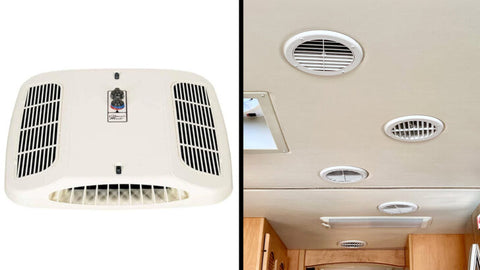
RV air conditioners come in different types. The main ones are roof-mountedand portable units. Roof-mounted ACs sit on top of the RV. Portable units can be moved inside. Each type has a cooling systemthat removes heat and moisture from the air.
Key components of an RV air conditioner include:
- Compressor:Pumps refrigerant through the system.
- Condenser coil:Releases heat outside.
- Evaporator coil:Absorbs heat from inside.
- Fan:Moves air over coils for cooling.
- Thermostat:Controls temperature settings.
These parts work together to keep the RV cool. The compressor compresses the refrigerant, which moves heat outside. The fan pushes cool air into the RV. This system helps maintain a comfortable temperature inside the vehicle.

Credit: fogattiliving.com
Cooling Process Explained
Refrigerantis a special fluid inside the air conditioner. It moves through pipes and changes from liquid to gas. This change helps to absorb heat from inside the RV.
The compressorworks like a pump. It squeezes the refrigerant gas, making it very hot and high pressure. This helps the refrigerant to release heat outside the RV.
The heat exchangehappens in two parts: the evaporator and the condenser. The evaporator cools the air inside by letting the refrigerant absorb heat. The condenser releases the heat outside, cooling the refrigerant back to liquid.
Power Sources And Efficiency
RV air conditionersusually need a lot of electric power. Most use 120-volt shore powerfrom campgrounds. Some models run on 12-volt batteriesbut these are less common and less powerful. A generator can also provide power when no shore power is available.
Choosing the right power source affects the efficiencyand cooling speedof the unit. Using shore power is easier and usually cheaper than running a generator. Battery-powered units save fuel but may cool slower and drain the battery fast.
| Power Source | Pros | Cons |
|---|---|---|
| Shore Power (120V) | Stable power, quick cooling | Needs campground hookup |
| Generator | Portable, works anywhere | Noise, fuel cost |
| Battery (12V) | Quiet, fuel-free | Limited cooling, battery drain |
- Turn offthe AC when not needed to save energy.
- Use fansto help circulate cool air.
- Keep windows and doors closedfor better cooling.
- Park in shadeto reduce heat load.
- Regular maintenanceimproves efficiency and lifespan.

Credit: www.microair.net
Installation And Maintenance
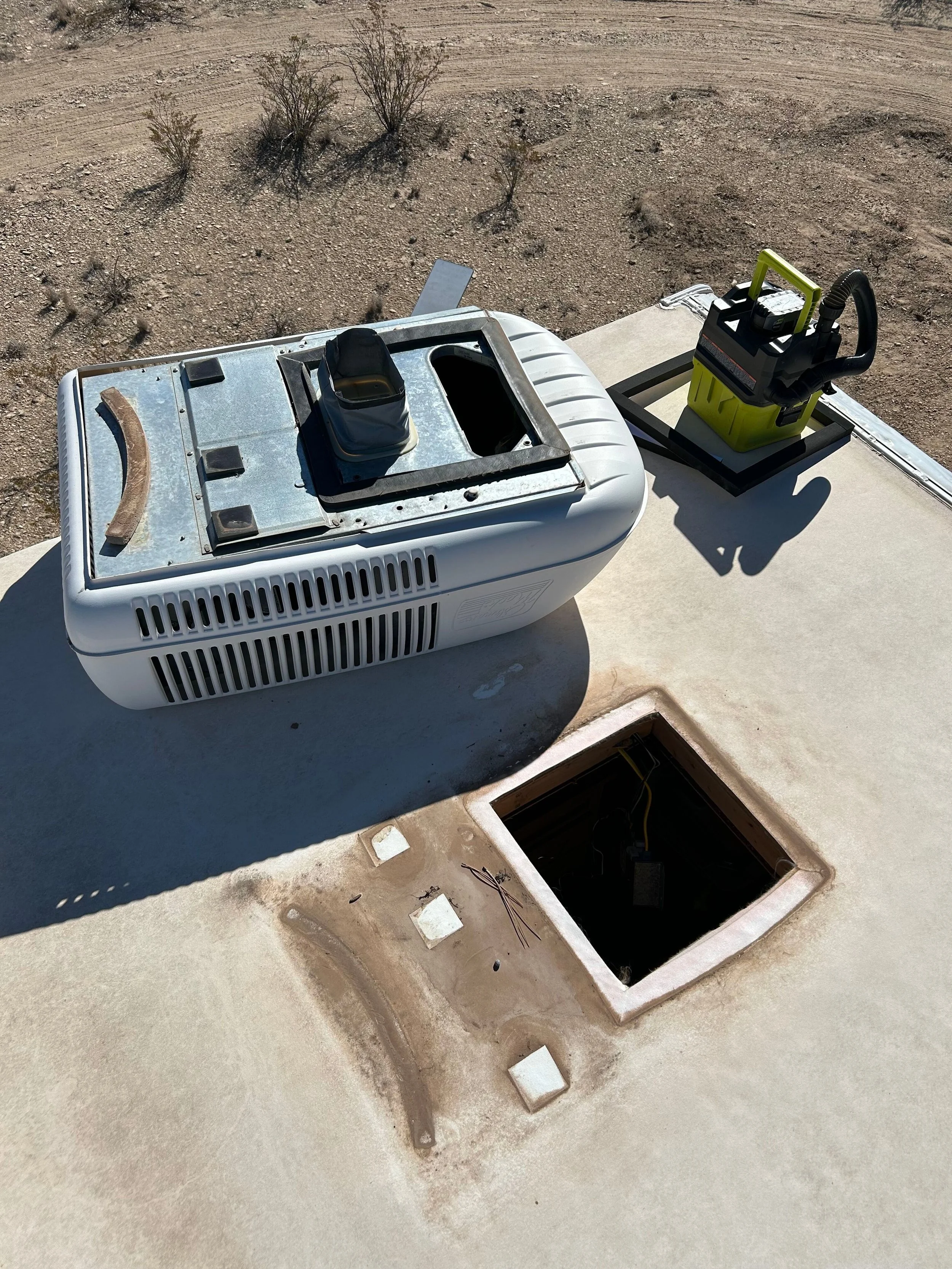
Proper installationensures the RV air conditioner works well and lasts long. Choose a flat, sturdy roof spot for the unit. Use a sealantto stop leaks around the edges. Connect the power supply carefully to avoid shorts or damage. Secure the unit firmly with screws and brackets to withstand travel bumps. Check the user manual for specific installation details for your model.
Routine maintenance helps keep the air conditioner running smoothly. Clean or replace the air filtersevery few weeks to improve airflow. Clear debris from the condenser coilsto boost cooling. Inspect electrical connections for any wear or damage. Lubricate moving parts if the manual suggests it. Empty the drain panand check the drain line to prevent water buildup and mold.
Troubleshooting common issues can save time and money. If the unit won’t start, check the fusesand circuit breakers. Poor cooling may mean clogged filters or dirty coils. Strange noises often signal loose parts or a failing fan motor. Water leaks usually come from blocked drains or poor sealing. Reset the thermostat or power cycle the unit before calling a technician.
Optimizing Performance
Clean air filtershelp the air conditioner cool better. Dirty filters block airflow and reduce cooling power. Regularly check and replace filters for smooth operation.
Park your RV in shaded areas. Shade keeps the air conditioner from working too hard. It helps keep the inside cooler for longer.
- Close windows and doors while running the AC.
- Use reflective window covers to reduce heat inside.
- Run the fan mode to spread cool air evenly.
Upgrading to a higher BTU air conditionercan cool larger RV spaces. Adding a programmable thermostat saves energy by keeping the temperature steady. Portable fans or vent covers improve airflow and comfort.
Credit: www.odysseyrvservice.com
Frequently Asked Questions
How Do Rv Air Conditioners Cool The Space?
RV air conditioners use a refrigeration cycle to remove heat. They circulate refrigerant through coils to absorb heat inside. The heat is then released outside via a condenser. This process cools the air inside the RV efficiently.
What Power Sources Run Rv Air Conditioners?
RV air conditioners typically run on 120V AC electricity. They can use shore power, a generator, or an inverter connected to batteries. Some models are designed for dual power sources to increase flexibility during travel.
How Do Rv Ac Units Handle Humidity?
RV air conditioners remove humidity by condensing moisture from the air. The cold evaporator coil causes water vapor to turn into liquid. This reduces indoor humidity, improving comfort and preventing mold and mildew growth inside the RV.
How Often Should Rv Ac Filters Be Cleaned?
RV AC filters should be cleaned every 1 to 3 months. Regular cleaning ensures efficient airflow and better cooling performance. Dirty filters strain the system and reduce air quality inside your RV.
Conclusion
RV air conditioners keep your space cool by moving heat outside. They use a simple system of fans and refrigerants to do this. Knowing how they work helps you use them better. Keep filters clean and check for leaks to stay efficient.
Proper care saves energy and keeps your RV comfortable. Now, you can enjoy cool trips with ease.