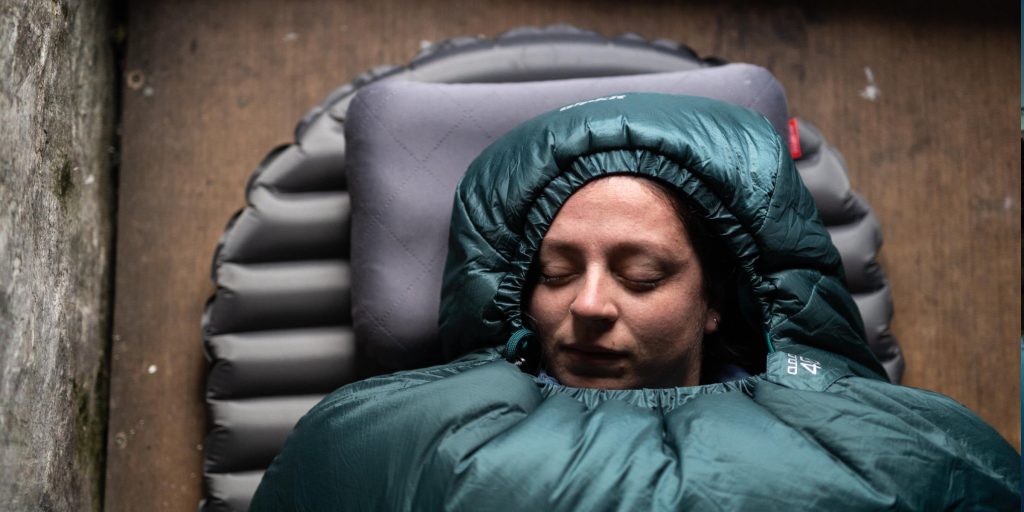
How long do sleeping bags last? If you’re like most outdoor lovers, you want your gear to keep up with your adventures.
But sleeping bags don’t last forever, and knowing when to replace yours can save you from a cold, uncomfortable night. You’ll discover the key signs that your sleeping bag is wearing out and learn simple tips to make it last longer.
Keep reading to make sure your next camping trip is cozy and worry-free.
Factors Affecting Sleeping Bag Lifespan
Sleeping bags do not last forever. Their life depends on many things. Knowing these factors helps you take care of your bag.
Some bags wear out faster, while others stay good for years. Understanding what affects their lifespan saves money and effort.
Material Types And Durability
Sleeping bags come in different materials. Each material has its own strength and weaknesses. This affects how long the bag lasts.
Synthetic bags resist water and dry fast. They may wear out quicker than down bags. Down bags keep heat well but need careful care.
- Down insulation is soft and warm but sensitive to moisture.
- Synthetic insulation resists moisture but can lose loft faster.
- Outer fabrics like nylon and polyester affect tear resistance.
- Ripstop fabrics last longer due to stronger weaving.
Frequency Of Use
How often you use a sleeping bag changes its lifespan. Frequent use causes more wear and tear. Bags used only sometimes last longer.
Heavy use in rough places can damage zippers and fabric. Light and careful use keeps bags in better shape for many years.
- Daily or weekly use shortens lifespan.
- Occasional use helps maintain bag quality.
- Use on soft surfaces reduces fabric damage.
- Frequent packing and unpacking stresses zippers.
Care And Maintenance
Proper care extends a sleeping bag’s life. Cleaning, storing, and repairing are key steps. Ignoring these can cause damage fast.
Washing bags with gentle methods protects insulation. Storing bags loosely in a dry place keeps fibers fluffy. Fix small tears quickly to prevent bigger problems.
- Use mild soap and cold water for washing.
- Do not over-wash; clean only when needed.
- Store in a large sack, not compressed.
- Air dry completely before storing.
- Patch holes and fix zippers early.
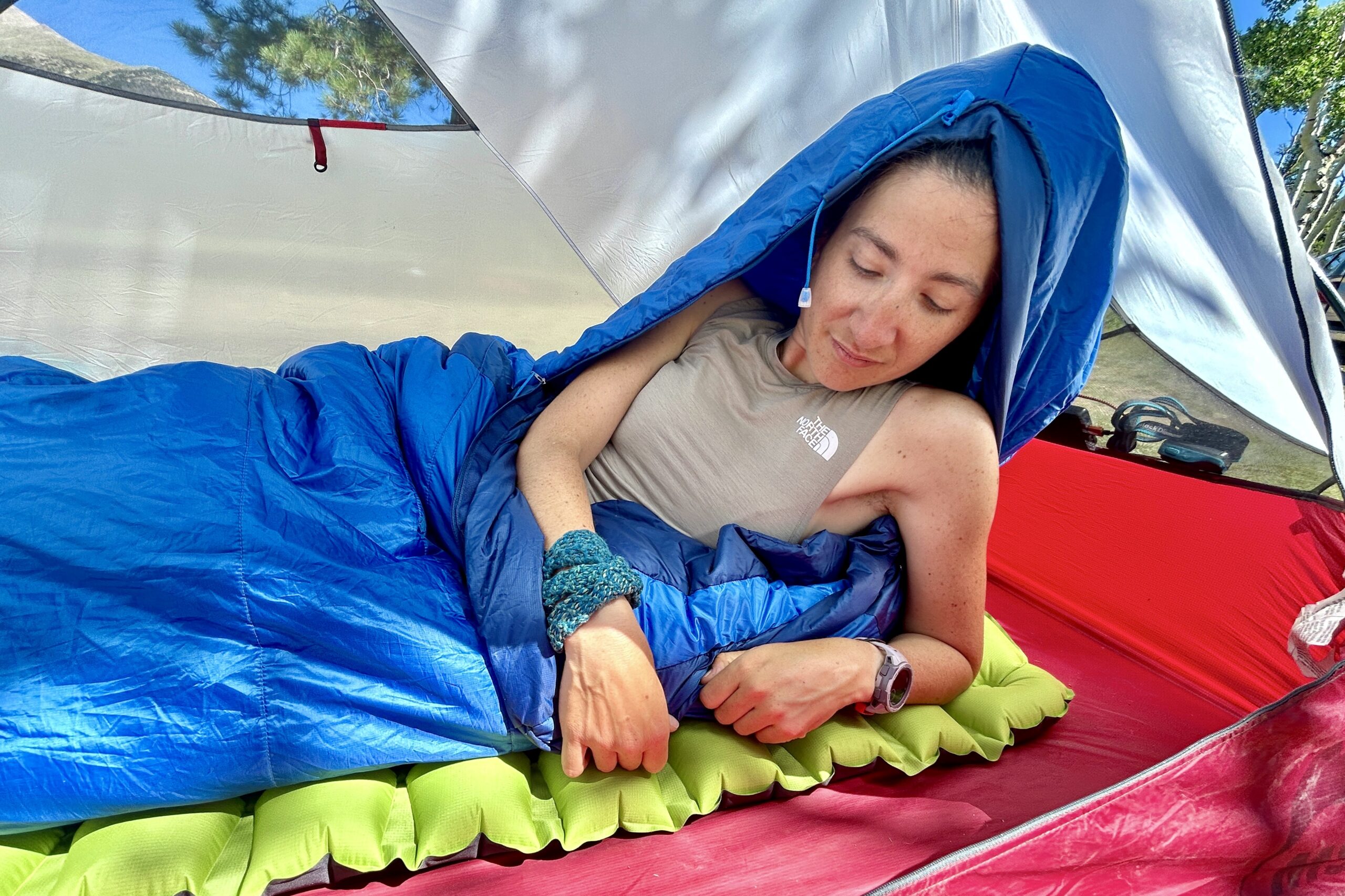
Credit: www.cleverhiker.com
Signs Of Wear And Tear
Sleeping bags face many challenges from use and storage. Over time, parts can wear out or break down.
Knowing the signs of wear helps you decide when to repair or replace your sleeping bag.
Fabric Damage
Fabric can get holes, tears, or thin spots from rough use or sharp objects. This damage lets cold air in and lowers warmth.
Look for worn areas especially on the bottom and edges. Small holes can grow larger over time.
- Check for holes or tears
- Feel for thin or worn fabric
- Notice any fraying threads
Insulation Breakdown
Sleeping bags keep you warm with insulation inside. Over time, this insulation can clump or lose fluffiness.
When insulation breaks down, the bag does not trap heat well and feels colder on cold nights.
- Insulation feels flat or lumpy
- Cold spots appear inside the bag
- Bag feels less warm than before
Zipper And Closure Issues
Zippers and closures keep the bag sealed and warm. They can get stuck, break teeth, or come off track.
Damaged zippers make it hard to close the bag fully. This lets cold air inside and lowers comfort.
- Zipper teeth are broken or missing
- Zipper slider sticks or jams
- Closures no longer seal tightly
Extending Sleeping Bag Life
Sleeping bags do not last forever. Their lifespan depends on use and care. Taking good care helps them stay warm and comfy.
Simple steps can keep your sleeping bag in good shape. Clean it right, store it well, and fix small tears fast.
Proper Cleaning Techniques
Cleaning your sleeping bag carefully protects its insulation. Use mild soap and cold water to wash it. Avoid harsh detergents and bleach.
Hand wash or use a front-load washing machine. Rinse well to remove all soap. Dry it fully before storage to stop mold growth.
- Use gentle soap made for outdoor gear
- Wash in cold water only
- Do not use fabric softeners
- Dry flat or hang in shade
- Avoid direct heat and sunlight
Storage Tips
Store your sleeping bag loose and dry. Avoid tight stuff sacks for long-term storage. This keeps the insulation fluffy and effective.
Use a large cotton or mesh storage sack instead. Keep it in a cool, dry place away from moisture and sunlight. This prevents mildew and fabric damage.
- Do not store compressed for months
- Keep away from damp areas
- Use breathable storage bags
- Check for bugs or mold regularly
Repairing Common Damage
Small tears or holes can be fixed quickly. Use repair tape or patches made for sleeping bags. This stops cold air from getting in.
For broken zippers, try lubricating or realigning. If needed, replace the zipper or ask a professional for help. Fix damages soon to keep your bag working well.
- Use gear repair tape for small holes
- Sew tears with strong thread if needed
- Lubricate zippers with silicone spray
- Replace zippers if badly damaged
- Check repairs before each trip
Choosing Durable Sleeping Bags
Sleeping bags are important for a good night’s rest outdoors. Choosing one that lasts saves money and effort.
Durable sleeping bags resist wear and keep you warm for many trips. This guide helps you pick the right one.
Best Materials For Longevity
The material affects how long a sleeping bag lasts. Strong fabrics and fills make a big difference.
Nylon and polyester are common for outer shells. They resist tears and water well.
- Ripstop nylon prevents holes and rips
- Polyester dries quickly and resists mold
- Down fill keeps warmth but needs care
- Synthetic fill lasts longer when wet
Brands Known For Durability
Some brands use better materials and strong stitching. They make sleeping bags that last many seasons.
Look for brands with good reviews for long-lasting gear. They often offer warranties and customer support.
- Brand A: uses ripstop fabrics and strong zippers
- Brand B: focuses on synthetic insulation for wet conditions
- Brand C: known for high-quality down and shell materials
- Brand D: offers reinforced seams and durable designs
Features That Enhance Lifespan
Some features help a sleeping bag last longer. They protect the bag from damage and wear.
Check for these features to improve your bag’s lifespan and comfort.
- Reinforced seams prevent tearing
- Durable zippers with guards avoid snags
- Water-resistant coatings protect from moisture
- Compression sacks reduce stress on fabric
- Stuff sacks with ventilation prevent mildew
When To Replace Your Sleeping Bag
Sleeping bags do not last forever. Over time, they lose their ability to keep you warm.
Knowing when to replace your sleeping bag helps you stay comfortable and safe outdoors.
Performance Decline
Sleeping bags lose insulation after many uses and washes. The filling can get flat and less fluffy.
This makes the bag colder and less effective at keeping you warm during sleep.
- Check if the bag feels thinner than before
- Notice if you feel colder at night
- Look for tears or worn-out areas
Hygiene Concerns
Sleeping bags can collect sweat, dirt, and bacteria over time. This buildup can cause bad smells.
If you cannot clean the bag well or the smell stays, it is time to replace it.
- Use a sleeping bag liner to stay cleaner longer
- Wash your sleeping bag regularly as per instructions
- Replace if stains or smells do not go away
Advancements In Technology
New sleeping bags use better materials and designs that keep you warmer and weigh less.
Replacing an old bag can improve your camping comfort and reduce what you carry.
- Look for bags with improved insulation materials
- Choose lighter and more compact designs
- Consider bags with water-resistant or breathable fabrics

Credit: www.cleverhiker.com
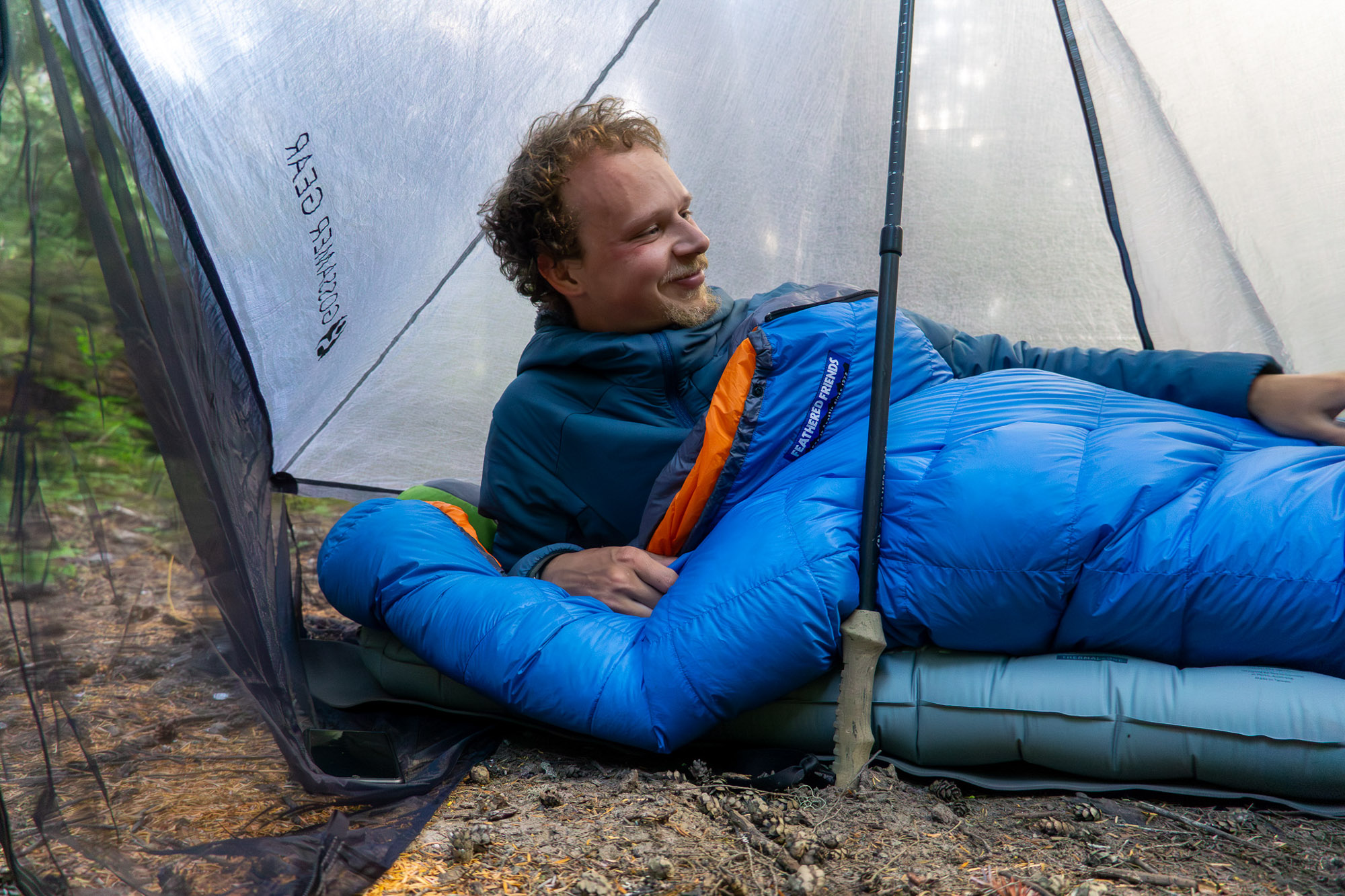
Credit: gearjunkie.com
Frequently Asked Questions
How Long Do Sleeping Bags Typically Last?
Sleeping bags last around 5 to 10 years with proper care. Quality, usage frequency, and storage conditions impact their lifespan significantly.
What Factors Affect Sleeping Bag Durability?
Material quality, frequency of use, washing methods, and storage conditions all influence how long a sleeping bag lasts.
How Can I Extend My Sleeping Bag’s Lifespan?
Store it loosely in a dry place, avoid frequent washing, and use a liner to protect the interior.
When Should I Replace My Sleeping Bag?
Replace it if insulation clumps, fabric tears, or it loses warmth. These signs indicate reduced performance and comfort.
Conclusion
Sleeping bags can last many years with proper care. Regular cleaning and careful storage keep them in good shape. Watch for wear and tear before each trip. Quality materials usually mean longer use. Choosing the right sleeping bag helps you stay comfortable outdoors.
Remember, taking care of your gear saves money and keeps adventures safe. A well-maintained sleeping bag stays warm and cozy for many nights. Simple steps extend its life and improve your camping experience. Keep your sleeping bag ready for every outdoor journey.