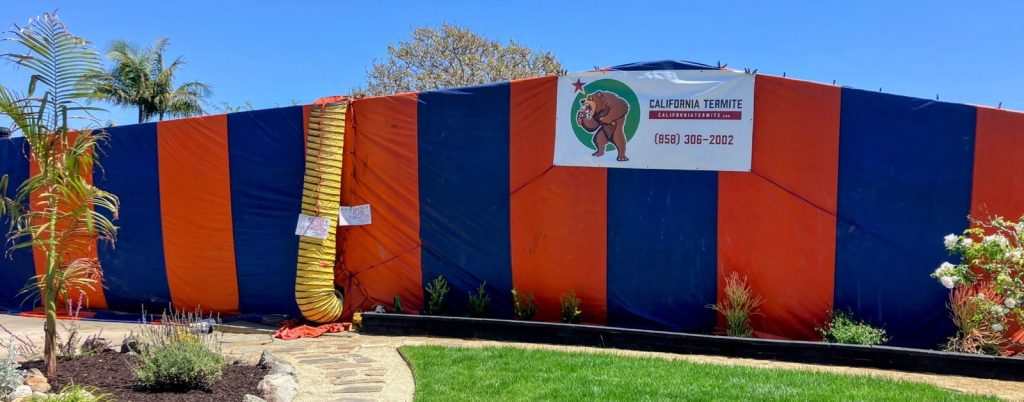
If you own a home in California, protecting it from termites is a top priority. But how often should you tent for termites to keep your property safe?
You might think once is enough, but termites are sneaky and can come back if you’re not careful. Knowing the right timing for tenting can save you money, stress, and serious damage to your home. You’ll discover exactly how often you should tent for termites in California and why sticking to the right schedule matters more than you think.
Keep reading to protect your biggest investment with confidence.
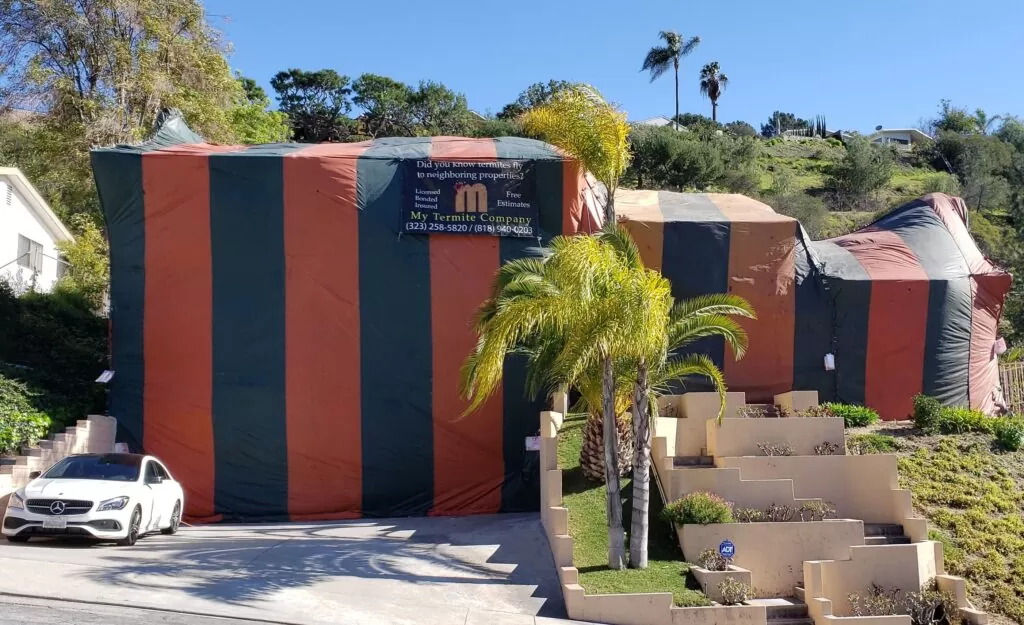
Credit: mytermitecompany.com
Termite Risks In California
California homes often face termite problems. These pests cause serious damage to wood structures.
Knowing how often to tent for termites helps protect your property and keeps repair costs low.
Common Termite Species
Several termite types live in California. Each species causes different damage levels.
- Subterranean termites: live underground and build mud tubes.
- Dampwood termites: found in moist wood, often in coastal areas.
- Drywood termites: live inside dry wood, no soil contact needed.
Climate Impact On Infestations
California’s warm climate helps termites grow fast. Rainfall and humidity also affect their activity.
| Climate Factor | Effect on Termites |
| Warm temperatures | Increase termite reproduction |
| High humidity | Support termite survival |
| Dry periods | Reduce termite activity |
Signs Of Termite Damage
Early signs help catch termites before severe damage occurs.
- Hollow-sounding wood when tapped
- Swollen floors or ceilings
- Visible mud tubes on walls or foundations
- Discarded wings near windows or doors
- Cracked or bubbling paint on wood surfaces

Credit: www.agpest.com
Tent Fumigation Basics
Tent fumigation is a common way to kill termites in California. It involves covering your house with a large tent. Then, professionals use gas to get rid of the pests inside.
This method is effective for deep termite problems. It reaches places other treatments cannot. Knowing how it works helps you prepare better.
What Is Tent Fumigation?
Tent fumigation means wrapping a building with a strong tarp. The tarp seals the house tightly. This stops gas from escaping during the treatment.
Professionals then release a special gas inside the tent. The gas kills termites and other insects hiding in wood and walls.
How It Works
After the tent is set up, the gas is pumped inside. It spreads through the whole house. The gas reaches termites in hard-to-see places.
The gas stays inside for a set time, usually 24 to 72 hours. Then, the house is aired out to remove all gas before people return.
- Seal the house with a tent
- Release fumigation gas inside
- Keep gas inside for 1-3 days
- Ventilate the house fully
- Clear for safe re-entry
Safety Measures
Safety is important during fumigation. The gas can harm people and pets. No one should stay inside while the gas is active.
Professionals follow strict rules to keep everyone safe. They check gas levels before letting people back in. You should also remove food and plants before tenting.
- Evacuate people and pets
- Remove food and plants
- Seal the house tightly
- Test gas levels after treatment
- Only re-enter when safe
Frequency Of Tent Fumigation
Tent fumigation is a common method to control termites in California. Knowing how often to tent your home helps keep termites away. The frequency depends on many factors.
Regular treatments can protect your property from damage. This guide explains standard intervals, what affects timing, and when to schedule re-treatments.
Standard Treatment Intervals
Most homes in California are treated every few years. The usual interval for tent fumigation is between 3 to 5 years. This helps prevent termite colonies from returning.
| Type of Property | Recommended Treatment Interval |
| Single-family homes | Every 3 to 5 years |
| Older buildings | Every 2 to 4 years |
| High-risk areas | Every 1 to 3 years |
Factors Affecting Treatment Frequency
Several factors change how often you need fumigation. These include the level of termite activity, home age, and climate. Homes near wood or moisture need more frequent checks.
- Presence of termite colonies nearby
- Humidity and weather conditions
- Construction materials used in the home
- Previous termite damage
- Use of termite-resistant treatments or barriers
When To Schedule Re-treatments
Schedule re-treatments if you notice signs of termites. Early signs include mud tubes, wood damage, or discarded wings. Your pest control professional will guide the timing.
- Inspect your home yearly for termite signs
- Contact a professional if you see damage
- Plan fumigation before damage worsens
- Follow the recommended interval based on risk
- Keep records of past treatments and inspections
Alternative Termite Treatments
Termite control in California includes several treatment options beyond traditional tenting. These alternatives offer different ways to protect your home from termite damage.
Choosing the right treatment depends on the severity of the infestation and your property type. Below are common alternative termite treatments.
Baiting Systems
Baiting systems use small amounts of toxic bait placed around your home. Termites find the bait and carry it back to their colony. This method targets the entire colony over time.
- Less invasive than tenting
- Monitors termite activity
- Needs regular inspection and maintenance
- Works slowly but effectively
Liquid Termiticides
Liquid termiticides are chemicals applied to the soil around your home. They create a barrier that kills or repels termites. This treatment prevents termites from entering the structure.
| Type | Purpose | Duration |
| Repellent | Keeps termites away | 1-5 years |
| Non-repellent | Kills termites on contact | 5-10 years |
Physical Barriers
Physical barriers use materials that block termite entry. Builders install these during construction or renovations. Barriers include metal shields and sand layers.
| Barrier Type | Description | Use Case |
|---|---|---|
| Metal Shields | Thin metal sheets around foundation | New construction |
| Sand Barriers | Layer of sand that termites cannot cross | Under slabs and around foundations |
| Particle Barriers | Small particles that block termite tunnels | Building perimeters |
Choosing A Pest Control Service
Termite tenting is a serious job. Picking the right pest control company helps protect your home. It also ensures the treatment works well.
In California, you should know how to choose a trustworthy service. Look for key factors like licensing, reviews, and cost before deciding.
Licensing And Certification
Make sure the pest control company has a valid license. California requires companies to follow strict rules to protect consumers. Certified technicians show they have proper training.
- Check if the company is licensed by the California Department of Pesticide Regulation.
- Ask if technicians hold current certification for termite control.
- Verify licenses online for authenticity.
Service Reviews And Reputation
Reviews tell you about the company’s past work. A good reputation means customers trust their service. Look for consistent positive feedback.
| Review Source | What to Check |
| Google Reviews | Overall rating and recent comments |
| Better Business Bureau | Complaint history and resolution |
| Yelp | Customer experiences and service quality |
Cost Considerations
Price matters but don’t choose only by cost. Low prices might mean poor quality. High prices do not always guarantee the best service. Look for clear pricing and value.
- Get detailed quotes from multiple companies.
- Compare what is included in the price, like warranties or follow-up visits.
- Ask about hidden fees or additional charges.
Preventing Future Infestations
Tent fumigation is a key method to control termites in California. Knowing how often to tent helps protect your home. It also stops future termite problems from starting.
To keep termites away, combine tenting with good home care. Landscaping and regular checks also help. These steps make your home less inviting to termites.
Home Maintenance Tips
Keep wood dry and away from soil. Termites love damp wood close to the ground. Fix leaks quickly to stop moisture build-up. Use treated wood for decks and fences.
- Seal cracks in your foundation and walls
- Clear gutters and downspouts regularly
- Remove wood piles near the house
- Keep firewood stored off the ground
Landscaping Practices
Plant shrubs and trees away from your home. Roots can cause cracks in the foundation. Mulch can hold moisture, so use it sparingly near the house. Keep soil level below wooden parts of your home.
| Landscaping Action | Reason |
| Space plants 18 inches from foundation | Reduce moisture near wood |
| Use gravel or rocks near foundation | Prevent soil contact with wood |
| Trim tree branches away from roof | Stop termite access from trees |
| Avoid excessive mulch near structure | Limit termite shelter areas |
Regular Inspections
Check your home for termites at least once a year. Look for mud tubes, wood damage, and discarded wings. Early detection can save you money and damage.
- Inspect basements and crawl spaces
- Examine wooden beams and joists
- Look around windows and doors
- Check for signs outside near soil
- Hire a professional if unsure

Credit: www.proventermitesolutions.com
Frequently Asked Questions
How Often Should Homes In California Be Tented For Termites?
California homes typically require termite tenting every 3 to 5 years. Regular inspections help determine the need. Tenting prevents costly structural damage by eliminating infestations effectively. Homeowners should consult local pest control experts for tailored schedules.
What Factors Affect Termite Tenting Frequency In California?
Tenting frequency depends on termite activity, climate, and home condition. Moisture levels and wood exposure increase risk. Older homes or those near soil need more frequent treatments. Regular monitoring helps adjust tenting schedules as needed.
Can Tenting Prevent Termite Damage Permanently?
Tenting effectively eliminates active termite colonies but does not guarantee permanent prevention. Regular inspections and maintenance are essential. Homeowners should combine tenting with other preventive measures to reduce future infestations. Early detection ensures better protection.
Is Termite Tenting Safe For California Homeowners?
When done by professionals, termite tenting is safe. Pest control experts use approved fumigants and follow strict safety protocols. Homeowners must vacate during treatment and ventilate homes afterward. Proper handling minimizes health risks and environmental impact.
Conclusion
Termite tenting helps protect your home from damage. Most experts suggest tenting every three to five years. This schedule keeps termites from coming back. Regular inspections can find problems early. Acting fast saves money and stress later. Keep your home safe with timely termite care.
Simple steps make a big difference. Stay aware and check often. Your home deserves this protection.