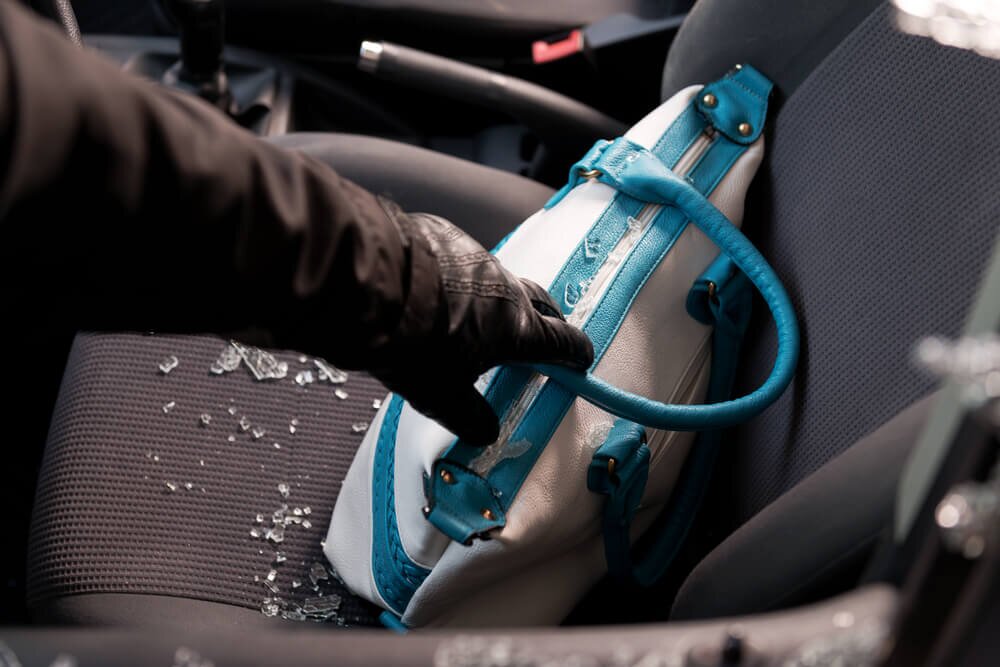
Have you ever come back to your car only to find that something valuable is missing? It’s a frustrating and stressful experience that many people face.
But here’s the important question: if your belongings are stolen from your car, what insurance will actually cover the loss? Knowing the answer can save you time, money, and a lot of headache. You’ll discover exactly which types of insurance protect your stolen items and how to make sure you’re properly covered.
Keep reading to protect yourself from unexpected losses and feel secure every time you park your car.

Credit: loyaltylobby.com
Types Of Insurance Covering Theft
Stolen items from a car can cause stress and financial loss. Different insurance types may help cover these losses.
Knowing which insurance covers theft helps you protect your belongings better.
Comprehensive Auto Insurance
Comprehensive auto insurance covers theft of your car and items inside it. This policy protects against damage from theft, vandalism, or natural disasters.
- Covers stolen car parts and accessories
- Protects personal belongings stolen from your vehicle
- Usually requires you to pay a deductible
Homeowners Insurance
Homeowners insurance often covers stolen items, even if theft happens outside your home. This includes theft from your car in many cases.
| Coverage | Details |
| Personal property | Covers theft of belongings from car |
| Limits | Usually has a maximum amount for off-premises theft |
| Deductible | Applies before insurance pays |
Renters Insurance
Renters insurance protects your belongings, including those stolen from your car. It offers coverage similar to homeowners insurance but for renters.
- Covers personal items stolen from the car
- Includes coverage for loss outside your rented home
- Has coverage limits and deductibles
Personal Property Coverage
Personal property coverage is part of homeowners or renters insurance. It helps replace stolen items, including those taken from your car.
This coverage usually includes:
- Clothing
- Electronics
- Tools and equipment
- Other personal belongings
Filing A Theft Claim
Filing a theft claim after your car is broken into can feel hard. It is important to act fast and follow the right steps. This guide helps you understand what to do.
Knowing how to report the theft, tell your insurance company, and list stolen items is key. These steps help you get support and possible reimbursement.
Reporting To The Police
Start by calling the police to report the theft. Provide clear details about your car and what was stolen. A police report is often needed for your claim.
- Call the local police department immediately.
- Describe your car and the location of the theft.
- Give a detailed list of stolen items.
- Ask for a copy of the police report.
- Keep the report number for your records.
Notifying Your Insurance Company
Contact your insurance company as soon as possible. Tell them about the theft and share the police report. They will guide you on the next steps for your claim.
- Call your insurer or use their online claim system.
- Provide your policy number and the police report details.
- Answer all questions honestly and clearly.
- Ask about what coverage you have for stolen items.
- Follow their instructions for submitting evidence.
Documenting Stolen Items
Make a detailed list of all stolen items. Include descriptions, purchase dates, and values. This helps your insurer verify your claim and decide payment.
| Item | Description | Purchase Date | Value |
| GPS Device | Black Garmin Nuvi | Jan 2021 | $150 |
| Handbag | Leather, brand X | Mar 2023 | $200 |
| Phone Charger | USB-C, Anker | Dec 2022 | $25 |
Coverage Limits And Deductibles
Insurance can help replace items stolen from your car. Each policy has limits on how much it pays. Deductibles affect the amount you get after a claim.
Knowing these details helps you understand your coverage. It also guides you when filing a claim for stolen property.
Understanding Policy Limits
Policy limits are the maximum amounts your insurance will pay for stolen items. These limits vary by policy and item type. Some items like jewelry or electronics may have lower coverage.
- Check your policy for personal property limits.
- High-value items may need special coverage.
- Limits can be per claim or per item.
- Exceeding limits means you pay the rest.
Impact Of Deductibles On Claims
A deductible is the amount you pay before insurance pays. Higher deductibles lower premiums but increase your out-of-pocket cost. Deductibles apply to each claim you make.
| Deductible Amount | Effect on Claim |
| $250 | Insurance pays after you pay $250 |
| $500 | Insurance pays after you pay $500 |
| $1000 | Insurance pays after you pay $1000 |
Replacing Vs. Repairing Items
Insurance may cover repair or replacement costs for stolen items. Replacement usually means new items. Repair covers fixing damaged belongings.
- Replacement cost covers buying new items.
- Actual cash value pays for used item value.
- Repair cost covers fixing the item.
- Some policies limit repair coverage.

Credit: www.youtube.com
Preventing Theft From Your Car
Car theft can lead to losing valuable items inside your vehicle. Taking steps to protect your belongings helps reduce this risk.
Understanding ways to prevent theft keeps your items safe. Simple actions can stop thieves from targeting your car.
Effective Security Measures
Lock all doors and windows every time you leave your car. Even short stops can give thieves a chance to act.
Keep your car keys safe and do not leave spare keys inside the vehicle. Thieves look for easy access points.
Safe Parking Tips
Park your car in well-lit areas. Thieves avoid places where they can be easily seen.
Choose spots near security cameras or busy streets. These spots make theft riskier for criminals.
- Avoid isolated or dark parking lots
- Use parking garages with attendants
- Park close to building entrances
Using Anti-theft Devices
Install alarms that sound when your car is tampered with. Loud noises scare away thieves.
Use steering wheel locks or pedal locks to make driving difficult without keys. These devices add extra protection.
- Car alarms
- Steering wheel locks
- GPS tracking devices
- Immobilizers
Common Exclusions In Theft Coverage
Theft coverage in car insurance protects you if someone steals items from your vehicle. It is important to know what is not covered under this protection. Insurance policies often exclude certain items and situations.
Understanding these exclusions can help you avoid denied claims and unexpected losses. Read your policy carefully and keep these common exclusions in mind.
Items Not Covered
Some items stolen from your car may not be covered by your insurance. These usually include valuables that are not considered part of the vehicle or its equipment.
- Cash and currency
- Jewelry and watches
- Personal electronic devices like smartphones and laptops
- Business equipment or tools
- Pets or animals
Insurance companies often expect you to have separate coverage for these personal belongings.
Circumstances That Void Claims
Some situations can cause your theft claim to be denied. Knowing these can help you avoid losing your coverage.
| Situation | Effect on Theft Claim |
| Leaving the car unlocked | May void the claim |
| Failing to report the theft promptly | Can cause denial |
| Stolen items kept in the trunk but visible | May reduce coverage |
| Using the car for illegal activities | Claim will be denied |
| Not taking reasonable care to protect belongings | Claim may be voided |
Tips For Choosing The Right Insurance
Choosing the right insurance helps protect your belongings from theft. Stolen items from your car can be costly to replace.
Knowing what insurance covers can save you money and stress. It is important to pick a policy that fits your needs.
Evaluating Policy Options
Look at different policies to see what they cover. Some insurance plans cover theft from cars, others do not.
Check if the policy covers the full value of stolen items or only a part. Understand the limits and deductibles.
- Check if theft from car is included
- Know the maximum payout amount
- Find out about deductibles and exclusions
Balancing Cost And Coverage
Insurance with full coverage usually costs more. Cheaper policies may leave gaps in protection.
Decide how much you can pay each month and what coverage you need. Balance cost with the level of protection.
- Higher premiums often mean better coverage
- Lower premiums might mean higher out-of-pocket costs
- Choose based on what you can afford and need
Additional Riders For Valuable Items
Some policies allow riders to cover special items. These riders add protection for things like jewelry or electronics.
Adding riders can increase your premium but gives extra security. Check if your stolen items need this extra coverage.
- Riders cover high-value personal items
- They offer protection beyond standard limits
- Consider riders for expensive electronics or collectibles

Credit: www.solidgps.com
Frequently Asked Questions
What Insurance Covers Items Stolen From My Car?
Comprehensive car insurance typically covers stolen items inside your vehicle. It protects against theft and vandalism but check your policy for specific details and limits.
Does Homeowners Insurance Cover Theft From My Car?
Homeowners insurance may cover stolen personal items from your car, but only if the items are removed from the vehicle. Coverage limits and deductibles apply, so verify your policy.
How Can I File A Claim For Stolen Car Items?
Report the theft to the police and get a report. Then, contact your insurance provider with the report and item list to start your claim process.
Are Personal Belongings In A Rental Car Insured?
Your personal belongings in a rental car are usually covered by your renters or homeowners insurance. Rental car insurance rarely covers personal items, so check your policies carefully.
Conclusion
Car insurance can protect your belongings from theft. Comprehensive coverage usually helps replace stolen items. Keep receipts and report theft to the police quickly. Some policies may exclude certain valuables. Knowing your coverage limits avoids surprises later. Review your insurance regularly to stay updated.
Protect your items by parking in safe places. Theft can happen anytime, so be prepared. Understanding your insurance helps you recover faster. Stay informed and secure your belongings wisely.