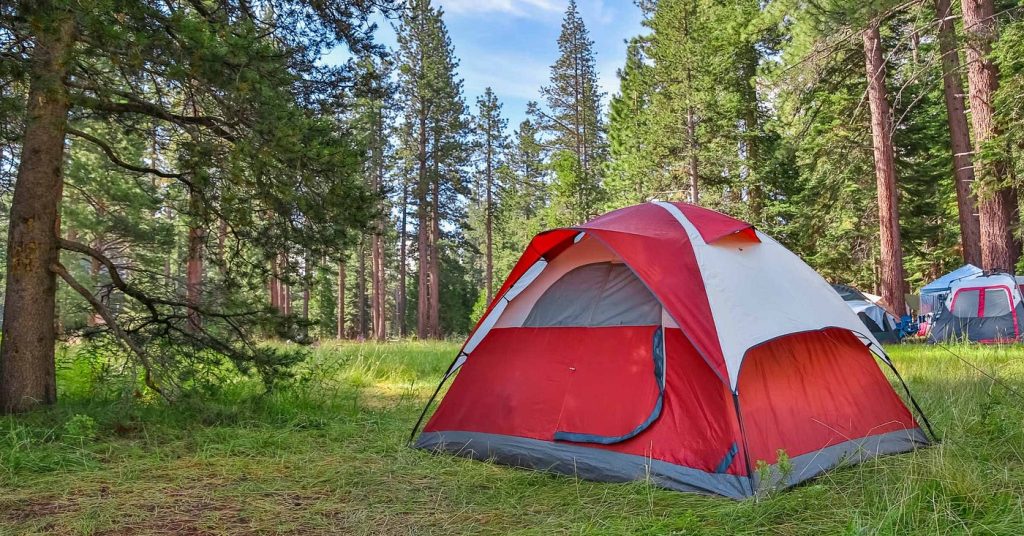
Are you planning a trip and wondering if you can bring your tent on a plane? Whether you’re heading out for a camping adventure or a music festival, knowing the rules about carrying a tent can save you time and stress.
You might be asking yourself: Will it fit in the overhead bin? Do you need to check it in? Are there any special restrictions? Keep reading, because understanding these details will help you pack smarter and avoid surprises at the airport.
By the end of this article, you’ll feel confident about traveling with your tent and ready to enjoy your trip without hassle.

Credit: veronicahanson.medium.com
Airline Policies On Tents
Taking a tent on a plane is possible but depends on airline rules. Knowing these rules helps avoid issues at the airport.
This guide covers key points about carrying tents on planes. It explains baggage types, size limits, and airline-specific rules.
Carry-on Vs Checked Baggage Rules
Airlines treat tents differently based on how you carry them. Carry-on bags have stricter size limits. Checked baggage allows larger items but may cost more.
- Carry-on tents must fit in overhead bins or under the seat.
- Most tents are too large for carry-on and must be checked.
- Checked tents should be packed securely to avoid damage.
- Some airlines do not allow tents as carry-on due to poles or sharp parts.
Size And Weight Restrictions
Each airline sets size and weight limits for baggage. Tents often exceed carry-on limits but fit in checked baggage if they meet weight rules.
| Type | Typical Size Limit | Weight Limit |
| Carry-On | 22 x 14 x 9 inches (56 x 36 x 23 cm) | 7-10 kg (15-22 lbs) |
| Checked Baggage | 62 linear inches (length + width + height) | 23-32 kg (50-70 lbs) |
Specific Airline Regulations
Some airlines have unique rules about tents. It is best to check before you pack to avoid surprises.
- Delta Airlines: Tents allowed as checked baggage if packed properly.
- American Airlines: Requires tents to be in soft or hard cases.
- Southwest Airlines: Charges extra for oversized tents in checked bags.
- United Airlines: Does not allow tent poles in carry-on luggage.
Packing Your Tent For Flight
Taking a tent on a plane needs careful packing. You must follow airline rules and keep your tent safe.
Packing your tent well helps avoid damage and makes security checks easier.
Disassembling And Compacting
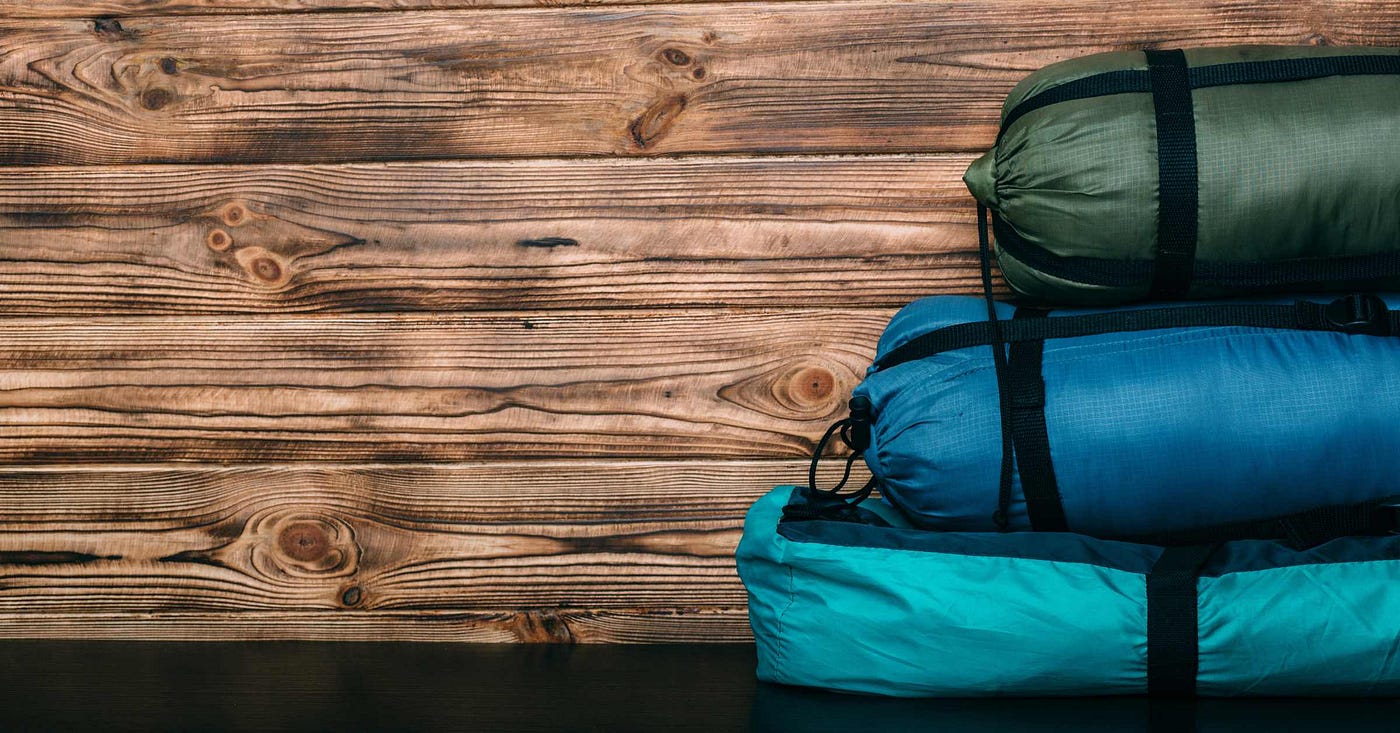
Break down your tent into smaller parts. Remove poles, stakes, and fabric separately.
Fold or roll the tent fabric tightly. This saves space and fits better in your bag.
- Take apart poles and group them by size
- Fold the tent fabric flat and roll it tightly
- Keep small pieces like stakes in a pouch
Using Protective Covers
Use covers to protect your tent parts. Covers stop dirt, moisture, and damage during travel.
Choose padded or waterproof covers if possible. They add extra safety for your tent.
- Use a tent bag made for your tent size
- Wrap poles in foam or cloth for padding
- Cover stakes with a small bag or cloth
Labeling Your Tent Bag
Label your tent bag clearly. This helps airport staff handle your bag properly.
Include your name and contact details on the label. Mark the bag as fragile if needed.
- Write your full name and phone number
- Attach a durable label outside the bag
- Add “Fragile” or “Camping Gear” tags
Security Screening Tips
Taking a tent on a plane requires careful security checks. Knowing what to expect helps the process go smoothly.
This guide covers what TSA looks for, how to declare your tent, and how to handle metal poles and stakes.
What Tsa Looks For
TSA officers check tents for prohibited items and safety concerns. They look inside bags and examine tent materials.
- Sharp objects hidden in the tent fabric
- Flammable materials or chemicals
- Metal parts that could trigger alarms
- Signs of damage or tampering
Declaring Your Tent
Always tell TSA officers if you have a tent in your luggage. Declaring it speeds up security checks and avoids delays.
Here is a simple table showing what to declare:
| Item | Declare? |
|---|---|
| Tent fabric | Yes |
| Poles and stakes | Yes |
| Other camping gear | Depends on item |
Handling Metal Poles And Stakes
Metal poles and stakes may set off metal detectors. Pack them carefully and separate them from other items.
- Use a hard case to protect poles
- Wrap stakes in cloth or bubble wrap
- Place metal parts where TSA can easily inspect them
- Tell TSA officers about the metal items during screening
Credit: veronicahanson.medium.com
Fees And Charges
Taking a tent on a plane can involve extra fees. Airlines charge based on size and weight. Knowing these fees helps you plan better.
These charges vary by airline and ticket type. You might pay more if your tent is large or heavy.
Extra Baggage Fees
Most airlines allow one or two bags for free. A tent may count as an extra bag if you already have luggage. Extra bags usually cost between $30 and $150.
The fees depend on the airline and route. Carrying a tent may add an extra baggage charge if it exceeds the limit.
Oversized Item Charges
Tents can be large when packed. Airlines charge extra for oversized items. These fees can be $100 or more.
Oversized charges apply if your tent’s length plus girth exceeds airline limits. This depends on each airline’s rules.
- Check airline size limits before packing
- Measure your tent’s packed size
- Expect higher fees for large tents
Ways To Avoid Additional Costs
Choose a small, lightweight tent to reduce fees. Some tents fit in carry-on bags, avoiding extra charges.
Pack your tent carefully and measure it. Book your baggage online early. Some airlines offer discounts for pre-paid bags.
- Use a compact tent model
- Measure and weigh your packed tent
- Pre-pay baggage fees online
- Consider shipping the tent separately
Alternatives To Flying With A Tent
Carrying a tent on a plane can be tricky and costly. Airlines have size and weight limits for luggage. Many travelers look for other ways to have a tent at their destination.
This guide explains some easy alternatives to flying with your own tent. These options can save you time and money.
Renting A Tent At Destination
Many campsites and outdoor stores rent tents. You can book a tent before you arrive. Renting means no need to carry heavy gear on the plane.
Rental tents come in many sizes and styles. This option works well if you only camp a few times a year.
- Check local rental shops near your camping area
- Book in advance to ensure availability
- Inspect the tent before use for any damage
- Return the tent on time to avoid extra fees
Shipping Your Tent Ahead
Shipping your tent to your destination is another option. You can send it by mail or courier before your trip. This avoids airline baggage rules and fees.
Make sure to pack your tent well to prevent damage during shipping. Track your package to confirm it arrives safely.
- Use a sturdy, waterproof bag or box
- Label your package with clear address details
- Choose a reliable shipping service with tracking
- Plan shipping time to arrive before your trip
Using Portable Shelters
Portable shelters are lightweight and easy to carry. They include pop-up tents and small canopies. These shelters are often allowed as carry-on luggage.
They may not offer the same space as a full tent but work well for short trips or mild weather. These options reduce packing hassle and save space in your bags.
- Pop-up shelters set up in seconds
- Compact and light for easy transport
- Good for festivals, beaches, and light camping
- Check airline rules for carry-on size limits

Credit: sparkshikesmountains.com
Tips For Stress-free Tent Travel
Traveling with a tent can make your trip more fun and comfortable. Carrying it on a plane needs some planning. These tips will help you travel with your tent without stress.
Knowing airline rules and preparing ahead can save time and avoid problems. Read on to learn simple ways to make your tent travel easy.
Booking Flights With Flexible Baggage Policies
Choose airlines that allow flexible baggage. Some airlines have strict size or weight limits. Others offer options to add extra baggage or pay less for heavy items.
Check baggage rules before booking your flight. This helps avoid extra fees or having to leave your tent behind.
- Look for airlines with higher baggage weight limits
- Check if your tent fits carry-on or checked baggage rules
- Consider paying extra for sports or outdoor gear allowance
- Read baggage fee policies carefully before booking
Arriving Early For Security Checks
Bring your tent parts in clear bags to speed up security checks. Arrive early at the airport to give yourself enough time. Security may ask questions or check your tent closely.
Extra time lowers stress and helps fix any issues calmly. You will avoid rushing and missing your flight.
- Pack tent poles and stakes separately in clear bags
- Label your tent bag with your name and contact info
- Allow extra time for security checks with outdoor gear
- Keep your boarding pass and ID ready for inspection
Communicating With Airline Staff
Tell airline staff about your tent when you check in. They can guide you on how to pack or carry your tent. Clear communication can prevent problems at the gate.
If your tent is large or unusual, ask if special handling is needed. Being polite and clear helps staff assist you better.
- Inform staff about tent size and weight during check-in
- Ask about any restrictions or special rules
- Request help if you need to store the tent safely
- Keep your tent receipt or proof of purchase ready
Frequently Asked Questions
Can I Bring A Tent On A Plane As Carry-on Luggage?
Most airlines allow small tents as carry-on if they fit size limits. Check airline rules before packing. Larger tents usually need to be checked in as baggage.
Are Tents Allowed In Checked Baggage On Flights?
Yes, tents are typically allowed in checked baggage. Ensure the tent is packed securely. Confirm with your airline about any specific restrictions or fees.
Do I Need To Declare A Tent At Airport Security?
You don’t usually need to declare a tent unless it contains prohibited items. Pack poles and stakes carefully to avoid security issues. Always follow TSA guidelines.
How Should I Pack A Tent For Air Travel?
Disassemble the tent and pack it in its original bag or a compact case. Protect poles and stakes to prevent damage. Label your bag clearly for easy identification.
Conclusion
Taking a tent on a plane is possible with some planning. Choose a compact, lightweight tent to fit your luggage rules. Check airline size and weight limits before packing. Carry your tent in a carry-on or checked bag safely. Knowing these tips helps avoid travel delays or extra fees.
Enjoy your trip and stay prepared for outdoor adventures. Safe and smooth travels make camping more fun and stress-free.