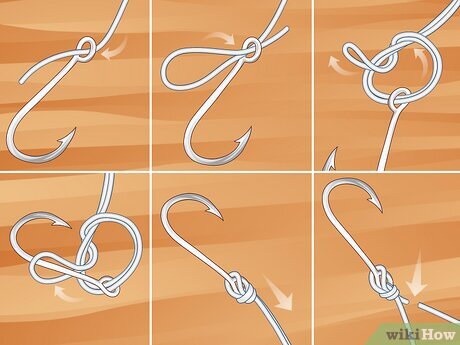
Are you tired of your fishing line twisting and tangling every time you cast? Knowing how to tie a swivel onto your fishing line can make all the difference.
It keeps your line smooth, prevents knots, and helps you catch more fish with less hassle. You’ll learn a simple, step-by-step way to tie a swivel that even beginners can master quickly. Stick with me, and soon you’ll be fishing smarter, not harder.

Credit: www.youtube.com
Choosing The Right Swivel
Choosing the right swivel is key for a strong fishing line connection. It helps prevent line twists and improves casting.
Picking the correct swivel depends on the type and size that fits your fishing needs. This guide covers the basics.
Types Of Swivels
There are several types of swivels used for fishing. Each type serves a specific purpose and works best in different situations.
- Barrel Swivel:Simple and common, good for general use.
- Ball Bearing Swivel:Stronger and rotates smoother, ideal for heavy lines.
- Coastlock Swivel:Has a latch to quickly change lures or leaders.
- Three-Way Swivel:Used to connect multiple lines for complex rigs.
Matching Swivel Size To Line Strength
Using the right swivel size prevents breakage and ensures smooth fishing. Match the swivel to your line’s strength.
| Line Strength (lb) | Recommended Swivel Size |
| 2 – 6 | Size 10 – 12 |
| 6 – 12 | Size 8 – 10 |
| 12 – 20 | Size 6 – 8 |
| 20 – 30 | Size 4 – 6 |
| 30+ | Size 2 – 4 |
Preparing The Fishing Line
Before tying a swivel to your fishing line, you need to prepare the line properly. Good preparation helps the knot hold better and lasts longer.
Taking time to prepare the line reduces the chance of the line breaking during fishing. Let’s look at two key steps.
Cutting The Line Cleanly
Cutting the fishing line cleanly is important for a strong knot. Use sharp scissors or a line cutter for a neat cut.
Avoid tearing or crushing the line. A clean cut helps the swivel tie smoothly and securely to the line.
- Use sharp scissors or a dedicated line cutter
- Cut the line straight across, not at an angle
- Do not bite or tear the line with your teeth
- Ensure the cut end is free of frays or splits
Checking Line Condition
Inspect the fishing line before tying the swivel. Look for any damage that can weaken the line.
Damaged areas can cause knots to slip or lines to break. Replace the line if you find weak spots.
- Look for cracks, nicks, or frayed sections
- Check if the line feels rough or stiff in places
- Test by gently pulling the line to feel for weak spots
- Remove and replace any damaged sections
Basic Knot Techniques
Tying a swivel onto your fishing line is a key skill for anglers. This helps prevent line twists and keeps your tackle secure. Learning a few simple knots can make your fishing trips easier and more enjoyable.
Here are three basic knots to help you attach a swivel to your fishing line. Each knot is strong and easy to tie with some practice.
Overhand Knot
The overhand knot is the simplest knot to tie. It works well as a stopper knot or to start other knots. It is quick and easy but not the strongest for heavy loads.
- Pass the line through the swivel eye.
- Make a loop by crossing the tag end over the main line.
- Pull the tag end through the loop.
- Tighten the knot by pulling both ends firmly.
Improved Clinch Knot
This knot is popular for tying swivels and hooks. It is stronger than the overhand knot and holds well under tension.
- Thread the line through the swivel eye.
- Wrap the tag end around the main line 5 to 7 times.
- Pass the tag end through the small loop near the swivel eye.
- Then, pass the tag end through the big loop just created.
- Moisten the knot and pull both ends to tighten.
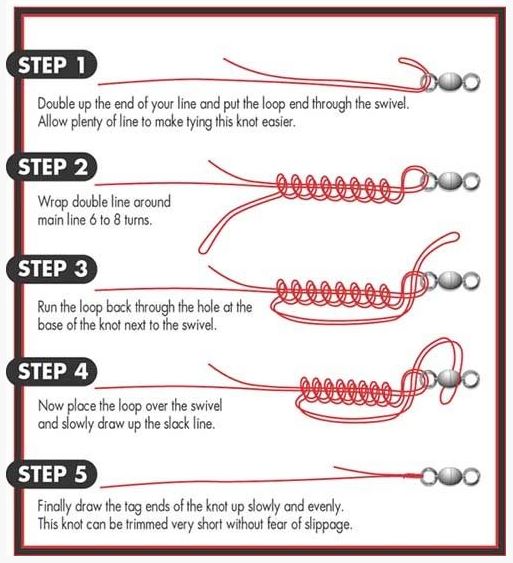
Palomar Knot
The Palomar knot is very strong and easy to tie. It keeps the swivel secure and works well with braided lines.
| Palomar Knot Steps | Description |
|---|---|
| 1. Double the line | Make a loop about 6 inches long. |
| 2. Pass through swivel eye | Feed the doubled line through the swivel. |
| 3. Tie a loose overhand knot | Make a knot with the doubled line, leaving the swivel inside. |
| 4. Pull swivel through loop | Pass the swivel through the large loop of the knot. |
| 5. Tighten | Moisten and pull both ends to secure the knot. |
Credit: www.beadinggem.com
Step-by-step Knot Tying
Tying a swivel onto your fishing line keeps your tackle secure. This guide shows you how to tie the knot properly.
Follow these simple steps to make sure your swivel stays attached during fishing.
Attaching The Swivel
Start by threading the fishing line through the eye of the swivel. Pull enough line through to work with comfortably.
- Pass the line through the swivel eye twice to form a loop.
- Wrap the tag end around the standing line five times.
- Thread the tag end back through the loop near the swivel eye.
- Pull the tag end and standing line slowly to tighten the coils.
Securing The Knot
Make sure the knot is tight and neat. Wet the knot with water or saliva to reduce friction.
- Keep coils tight and close to the swivel eye.
- Do not pull too fast; tighten slowly.
- Check that no twists or overlaps exist in the knot.
Testing Knot Strength
After tying, test the knot to ensure it will hold under pressure.
| Action | What to Look For |
| Pull the standing line firmly | The knot should not slip or loosen |
| Check the swivel attachment | Swivel should stay tightly connected to the line |
| Inspect the tag end | Tag end should not slip out of the knot |
Common Mistakes To Avoid
Tying a swivel onto fishing line seems easy but many make simple errors. These mistakes can cause your line to break or your swivel to slip. Avoiding common problems helps your fishing setup stay strong and reliable.
Focus on securing the knot tightly, placing the swivel correctly, and using good quality line. Below are some common mistakes and how to avoid them.
Loose Knots
Loose knots can slip or come undone when you catch a fish. A knot that is not tight enough reduces the strength of your line connection.
- Always wet the line before tightening the knot to reduce friction.
- Pull the knot slowly and firmly to tighten it properly.
- Check the knot by pulling on both ends before fishing.
- Practice tying the knot several times for confidence.
Incorrect Swivel Placement
Placing the swivel too close or too far from the hook or lure can cause tangles and reduce bait action. Position the swivel where it helps prevent line twists and allows smooth movement.
| Incorrect Placement | Effect |
| Swivel too close to hook | Causes bait to spin unnaturally |
| Swivel too far from hook | Line tangles more easily |
| Swivel not attached firmly | Swivel may slide or detach |
Using Damaged Line
Using old or damaged line weakens your connection. Cuts, frays, or worn spots can cause the line to break under pressure.
Follow these tips to avoid damaged line:
- Inspect the line carefully before tying the swivel.
- Cut off any damaged or weak sections.
- Replace your fishing line regularly.
- Store line away from sunlight and heat.
Tips For Better Knot Performance
Tying a swivel onto your fishing line is important for a strong connection. Good knots hold better and last longer. Small details can improve your knot’s strength.
Follow these tips to make sure your knot stays secure and works well. These simple steps help avoid line breaks and lost fish.
Lubricating The Line
Wet the fishing line before tightening the knot. Lubrication reduces friction and heat. This helps the knot slide into place without damaging the line.
Use water or saliva to moisten the line. Avoid dry tightening, which can weaken the knot and cause breaks.
Trimming Excess Line
Cut off extra line close to the knot. Too much leftover line can catch on weeds or objects. This may weaken your setup or cause tangles.
Use sharp scissors or clippers to trim the tag end neatly. Leave about 2-3 mm to prevent slipping.
Regular Knot Inspection
Check your knots before each fishing trip. Look for frayed or loose lines around the knot. A damaged knot can break easily.
Retie knots that look worn out. This simple habit keeps your fishing gear reliable and saves you from lost catches.

Credit: www.ohero.com
Frequently Asked Questions
How Do You Tie A Swivel To Fishing Line Securely?
To tie a swivel securely, use the improved clinch knot. Pass the line through the swivel eye, wrap around 5-7 times, then thread back through the loop. Tighten firmly and trim excess line. This knot ensures strong, reliable connection for fishing.
Why Use A Swivel On Fishing Line?
A swivel prevents line twisting and tangling. It allows the lure or bait to spin freely without twisting the main line. This reduces line damage, improves casting, and increases fishing efficiency. Swivels are essential for maintaining line strength and smooth fishing action.
What Type Of Swivel Is Best For Fishing Line?
Choose a swivel size based on your fishing line and target fish. Barrel swivels work for general use, while ball-bearing swivels offer smoother rotation for heavy-duty fishing. Match swivel strength to line test for optimal performance and durability during fishing.
Can You Tie A Swivel Without Special Tools?
Yes, you can tie a swivel without tools. Use your fingers to wrap the line and create knots. Tools like pliers help tighten knots but are not necessary. Practice makes knot tying easy and effective with just your hands.
Conclusion
Tying a swivel to your fishing line is simple and effective. It stops your line from twisting and tangling. Practice the steps a few times to feel confident. A good knot keeps your gear strong and reliable. Take your time and check your work before fishing.
This small skill makes a big difference on the water. Try it next time you prepare your fishing line. You will enjoy a smoother, easier fishing experience.