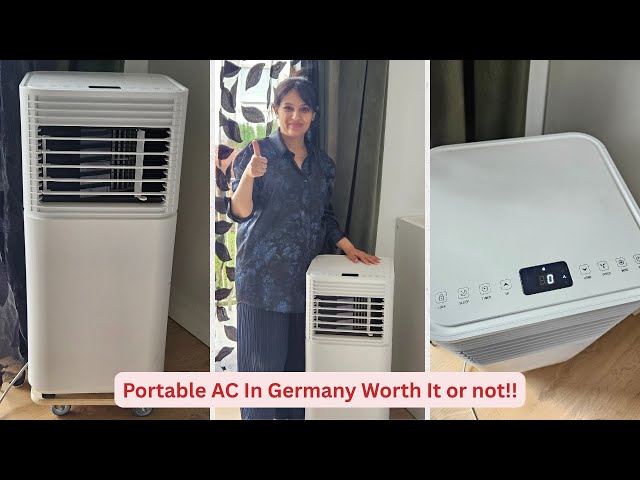
Have you ever wondered if Germany has air conditioners? If you’re planning a trip or thinking about moving there, this question might be on your mind.
You might imagine hot summer days and expect cool air blowing from every window. But is that really the case in Germany? Keep reading to find out what you can expect when it comes to staying cool in German homes, offices, and public places.
Understanding this will help you prepare better and avoid any surprises during your stay.

Credit: www.bloomberg.com
Air Conditioning In German Homes
Air conditioning is not very common in most German homes. Many houses rely on natural ventilationand shuttersto keep cool during summer. Fans are also used to improve airflow inside rooms. Installing air conditioners is often seen as unnecessary because German summers are usually mild.
Some newer buildings and offices use air conditioning, but it is still rare in private homes. People prefer opening windowsearly in the morning or late at night to cool their rooms. Using light curtainsand closing windows during hot days helps keep the heat out.
| Region | Air Conditioner Use | Common Cooling Methods |
|---|---|---|
| North Germany | Low | Natural ventilation, fans |
| South Germany | Moderate | Shutters, fans, some AC in new homes |
| Urban Areas | Higher | Modern AC units, window fans |
| Rural Areas | Low | Open windows, shutters |
Air Conditioning In German Workplaces
Air conditioning in German workplaces is not very common. Many offices use natural ventilationlike open windows or fans. This works well because Germany has a mild climate.
For office cooling solutions, small air conditioners or portable coolers are sometimes used. They help keep the air fresh and workers comfortable during warmer days.
In industrial and commercial spaces, cooling systems are more important. Factories and big stores often have central air conditioningto control temperature and humidity. This helps protect equipmentand keeps employees safe.
| Workplace Type | Cooling Method | Purpose |
|---|---|---|
| Offices | Natural ventilation, fans, small AC units | Comfort for workers |
| Industrial | Central air conditioning | Protect equipment, employee safety |
| Commercial | Central or portable AC units | Comfort and product preservation |
Public Spaces And Air Conditioning
Shopping centers and malls in Germany often have air conditioningto keep visitors cool. This is especially true in larger cities and newer buildings. Many stores use AC to create a comfortable shopping experience. Smaller shops may not have air conditioning, though, relying on fans or open windows.
Public transport systems usually do not have air conditioning in all vehicles. Some trains and buses have it, but many older ones do not. Airports often have air-conditioned terminalsto help travelers stay comfortable during wait times. Security and waiting areas are usually cool, but outdoor platforms may not be.

Credit: www.bloomberg.com
Climate And Its Impact On Cooling Needs
Germany usually has a cool and temperate climate. Winters are cold, and summers are mild. The weather changes a lot during the year. Most days are comfortable without the need for air conditioning.
Heatwaves are now more common. Summer temperatures sometimes rise above 30°C (86°F). This is unusual for Germany but causes many to seek cooling options. People use fans and air conditioners more during these hot spells.
| Season | Average Temperature | Cooling Need |
|---|---|---|
| Winter | 0°C to 5°C (32°F to 41°F) | None |
| Spring | 10°C to 15°C (50°F to 59°F) | Low |
| Summer | 20°C to 25°C (68°F to 77°F) | Moderate |
| Heatwaves | Above 30°C (86°F) | High |
Cultural Attitudes Toward Air Conditioning
Many Germans care deeply about energy efficiency. They try to use less power to help the planet. Air conditioners use a lot of energy, so many avoid them.
People often choose natural waysto stay cool. Opening windows or using fans is common. This helps save energy and reduce pollution.
In the past, Germany had cooler summers. There was little need for air conditioning. This shaped how people live and what they expect in homes.
Now, with warmer weather, some places have air conditioners. But the idea of saving energy still guides many decisions.
Trends In Air Conditioner Usage
Air conditioner use in Germany is growing fast. More homes and offices now have them. This rise is due to hotter summers and better technology.
New air conditioners are energy efficientand quieter. They use less power and cool rooms faster. Many models also have smart controls to save energy.
- More peoplebuy air conditioners each year.
- Devices now use less electricity.
- Smart featureshelp control temperature easily.
- Portable and split systems are popular for homes.
Credit: www.newsbreak.com
Frequently Asked Questions
Does Germany Commonly Use Air Conditioners?
Air conditioners are less common in Germany compared to other countries. Many buildings rely on natural ventilation and heating systems instead.
Why Is Air Conditioning Rare In Germany?
Germany has a mild climate, reducing the need for air conditioning. Cooler summers and good insulation keep indoor temperatures comfortable.
Are Air Conditioners Becoming Popular In Germany?
Yes, air conditioners are gradually increasing due to hotter summers. More people and businesses are installing units to improve comfort.
How Do Germans Cool Their Homes Without Ac?
Germans use window ventilation, fans, and shaded windows to cool rooms. Building materials and design also help maintain indoor comfort naturally.
Conclusion
Germany does have air conditioners, but they are less common. Many homes rely on natural cooling methods like windows and fans. Summers can be warm, but not always hot enough for AC use. Businesses and hotels often use air conditioning for comfort.
People prefer energy-saving and eco-friendly options. Air conditioners are available to buy, but not every household owns one. This reflects Germany’s climate and culture. Understanding this helps set your expectations if you visit or move there. Cooling choices depend on personal needs and the region’s weather.