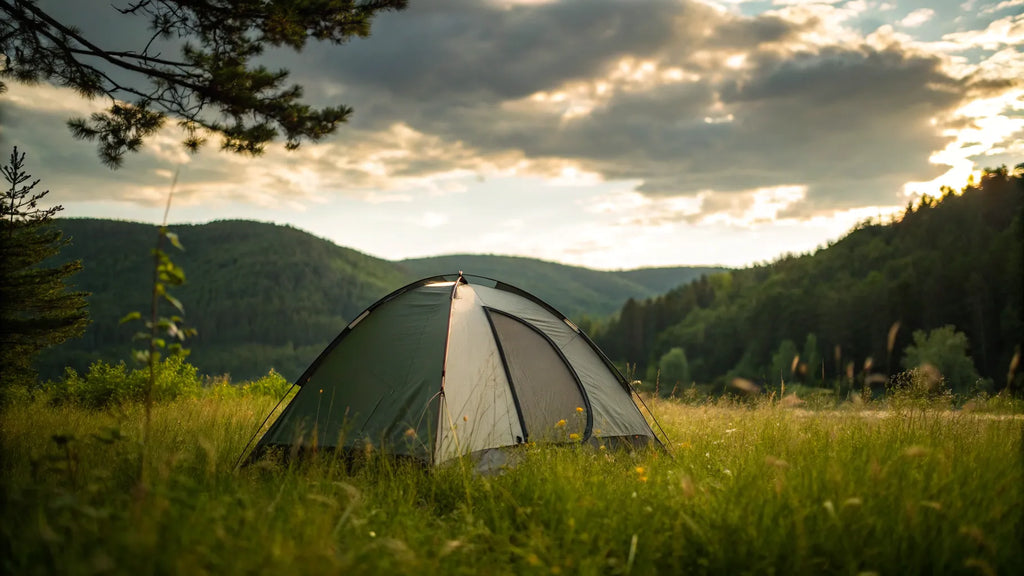
When you’re camping, nothing is worse than stepping into a hot, stuffy tent. It can make your whole trip uncomfortable and leave you tossing and turning all night.
But what if you could keep your tent cool and enjoy refreshing, restful nights no matter how hot it gets outside? You’re about to discover simple, effective tips that will transform your tent into a cool haven. Keep reading, and you’ll learn how to beat the heat and make your camping experience much more enjoyable.
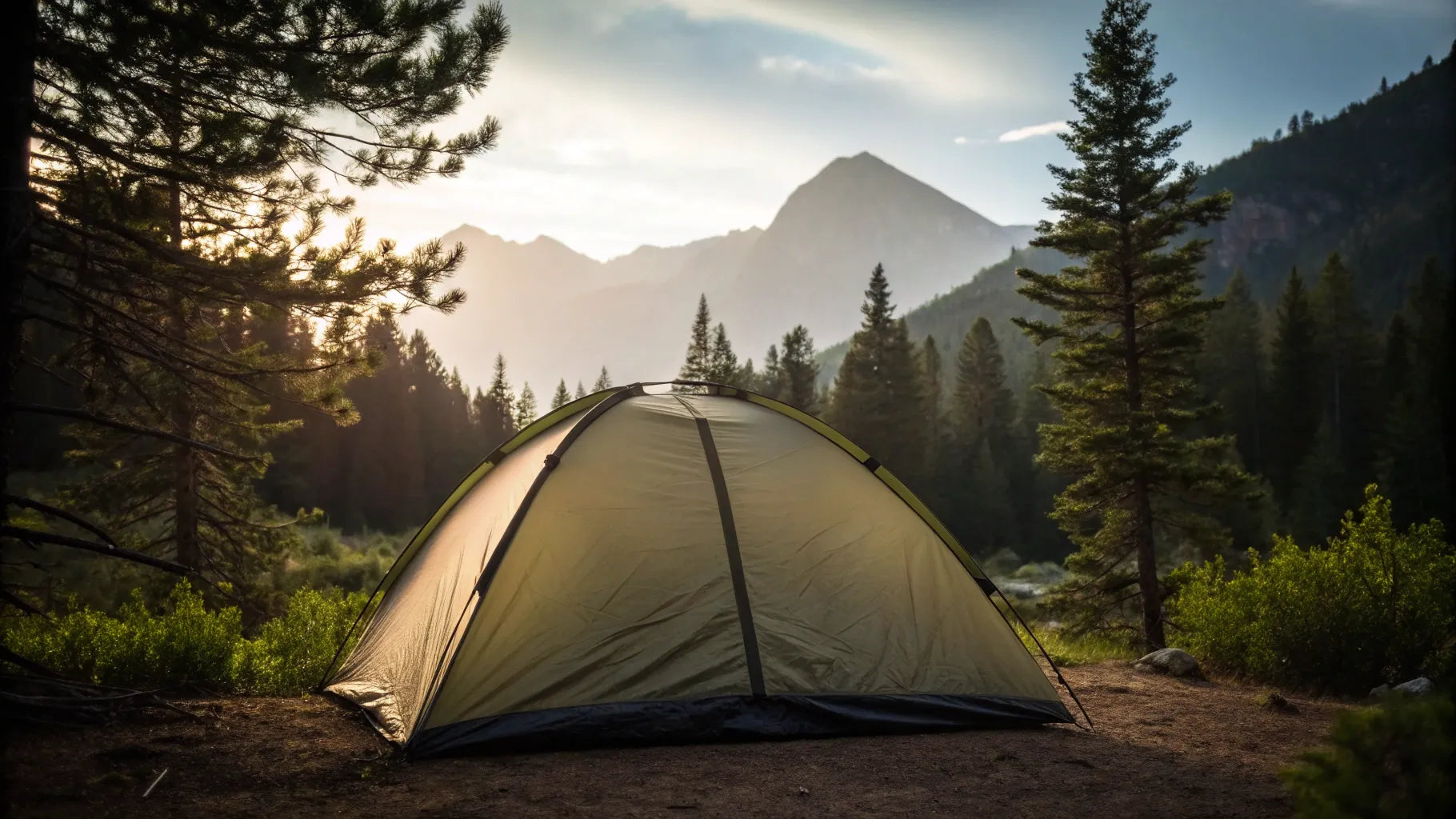
Credit: www.battlbox.com
Choose The Right Tent
Picking the right tent helps keep you cool during hot weather. A good tent lets air flow and blocks heat.
Think about the color, fabric, and ventilation before you buy. These features make a big difference.
Opt For Light Colors
Light colors reflect sunlight and heat better than dark colors. This keeps the tent cooler inside.
- Choose tents in white, beige, or light gray.
- Avoid dark colors like black or navy blue.
- Light colors reduce heat absorption during the day.
Select Breathable Fabrics
Breathable fabrics let air pass through the tent walls. This lowers heat build-up inside the tent.
| Fabric Type | Breathability | Cooling Effect |
| Polyester | Medium | Moderate |
| Nylon | Low | Low |
| Cotton Canvas | High | High |
Consider Ventilation Features
Good ventilation lets hot air escape and fresh air enter. Look for tents with vents, windows, or mesh panels.
- Mesh roof panels
- Multiple zippered windows
- Adjustable vents at the top and bottom
- Doors with mesh screens
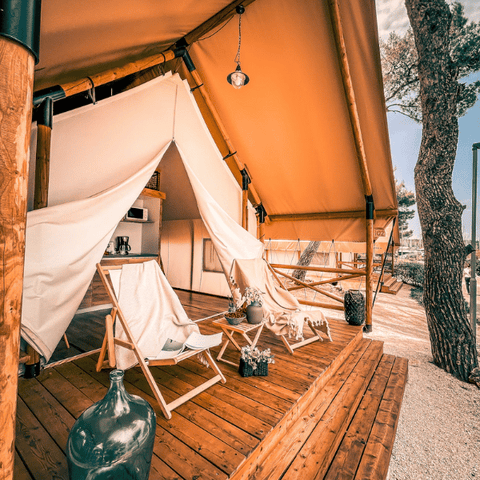
Credit: www.lifeintents.com
Pick A Shady Campsite
Keeping your tent cool makes camping more comfortable. One easy way is to pick a shady spot for your tent.
Shade helps block the sun and lowers the temperature inside your tent. Look around carefully before setting up.
Find Natural Shade
Look for trees or large bushes to set your tent under. These natural shades can block the sun well.
Choose spots that get shade during the hottest parts of the day. Avoid open areas with no cover.
- Pick tall trees with wide leaves
- Avoid spots near water where sun reflects
- Check for branches that might fall
Use Portable Shade Structures
If natural shade is not available, bring a portable shade structure. These can block sun and keep your tent cooler.
Portable shades are easy to set up and move. Use them to create shade before you pitch your tent.
- Pop-up canopies
- Shade tarps with poles
- Umbrellas for small areas
Optimize Tent Setup
Keeping your tent cool makes camping more comfortable. Setting up your tent well helps air flow and blocks heat.
Use smart placement and materials to lower the temperature inside your tent. This guide shows easy ways to do that.
Position Tent For Airflow
Place your tent where the wind can pass through. Good airflow stops heat from building up inside.
Open the tent windows and doors to let air move freely. Avoid setting your tent near thick bushes or walls.
- Face tent openings toward the breeze
- Clear leaves and debris around the tent
- Choose a spot with natural wind flow
- Use mesh panels on the tent for ventilation
Use Reflective Tarps
Cover your tent with a reflective tarp to block sunlight. This keeps the tent cooler by reflecting heat away.
Set the tarp above the tent with space between them. This creates shade and lets air circulate to cool the tent.
- Choose a tarp with a silver or white surface
- Keep the tarp slightly raised from the tent roof
- Secure the tarp well to avoid wind damage
- Check tarp angles to block the sun all day
Enhance Air Circulation
Keeping your tent cool is important for comfort during hot days. Good air circulation helps lower the temperature inside the tent.
Air moves heat away and brings in fresh air. You can improve airflow by using simple techniques.
Open All Vents And Doors
Open every vent and door in your tent to let air flow freely. This allows hot air to escape and cool air to enter.
Check vents on the roof and sides. Open doors on opposite sides for cross ventilation.
- Open roof vents to release hot air
- Keep side vents open for fresh air
- Leave doors open on both sides for cross breeze
Use Battery-powered Fans
Battery-powered fans help move air inside the tent. They create a breeze that cools your body and the tent walls.
Place fans near vents or doors to push hot air out. Use small, portable fans for easy setup and use.
- Use fans near open vents for better airflow
- Choose fans with adjustable speeds
- Keep spare batteries for longer use
Reduce Heat Inside
Keeping your tent cool is important for comfort during hot days. Reducing heat inside helps you rest better and stay safe.
Simple actions can lower the temperature inside your tent. Avoid things that create extra heat and keep your gear outside.
Avoid Heat-generating Devices
Devices like stoves, lanterns, or heaters add heat inside your tent. Using them inside raises the temperature quickly.
- Use battery-powered lights instead of gas lanterns
- Cook food outside the tent to stop heat buildup
- Avoid using heaters inside the tent during hot weather
- Turn off devices when not in use to reduce heat
Store Gear Outside
Keeping your gear outside the tent helps improve air flow and lowers heat inside. Wet or heavy items can trap heat.
| Gear Type | Storage Tip |
| Backpacks | Place under a shade near the tent |
| Wet Clothes | Hang to dry outside the tent |
| Cooking Tools | Keep away from the sleeping area |
| Extra Blankets | Store outside if not needed at night |
Stay Hydrated And Cool
Keeping your tent cool is important on warm days. Drinking enough water helps your body stay cool. It also stops dehydration and heat exhaustion.
Here are two key ways to stay hydrated and cool while camping in your tent.
Keep Water Accessible
Always have water within easy reach inside your tent. This makes it simple to take sips often. You can stay hydrated without leaving your shelter.
- Use a reusable water bottle with a wide mouth for easy refills.
- Keep bottles in a shaded area or inside a cooler to keep water cold.
- Drink small amounts regularly instead of large amounts at once.
- Fill extra bottles before bedtime for quick access during the night.
Use Cooling Towels
Cooling towels help lower your body temperature quickly. Wet a towel with cold water and place it on your neck or forehead. This simple trick feels refreshing inside a warm tent.
| How to Use Cooling Towels | Tips |
| Wet with cold water | Use fresh, clean water for best effect |
| Wring out excess water | Keep it damp, not dripping |
| Place on neck, wrists, or forehead | Focus on pulse points for faster cooling |
| Re-wet as needed | Refresh towel often to stay cool |

Credit: www.reddit.com
Frequently Asked Questions
How Can I Ventilate My Tent Effectively?
Proper ventilation reduces heat buildup inside your tent. Open windows, doors, and vents during the day. Use mesh panels to allow airflow while keeping insects out. Position your tent where natural breezes occur for better cooling.
What Materials Keep Tents Cooler In Hot Weather?
Light-colored tents reflect sunlight and reduce heat absorption. Opt for tents made with breathable fabrics like cotton or polyester blends. Avoid dark-colored or heavy materials that trap heat inside the tent.
Should I Use A Tarp To Keep My Tent Cool?
Yes, a tarp creates shade and blocks direct sunlight. Place it above or beside your tent with some space for air circulation. This setup helps lower the temperature inside your tent significantly.
When Is The Best Time To Set Up A Cool Tent?
Set up your tent early in the morning or late afternoon. Avoid pitching under direct midday sun to reduce heat buildup. Choose a shaded spot under trees or natural cover for cooler conditions.
Conclusion
Keeping your tent cool enhances your camping comfort. Simple strategies make a big difference. Choose a shaded spot to pitch your tent. Ventilation is key; open windows and doors. Reflective tarps help block the sun’s heat. Use a battery-operated fan for air circulation.
Avoid cooking inside the tent to reduce heat. Hydration keeps you refreshed and cool. Try cooling towels or ice packs for added relief. Staying cool ensures a pleasant camping experience. Enjoy your outdoor adventure with these practical tips.