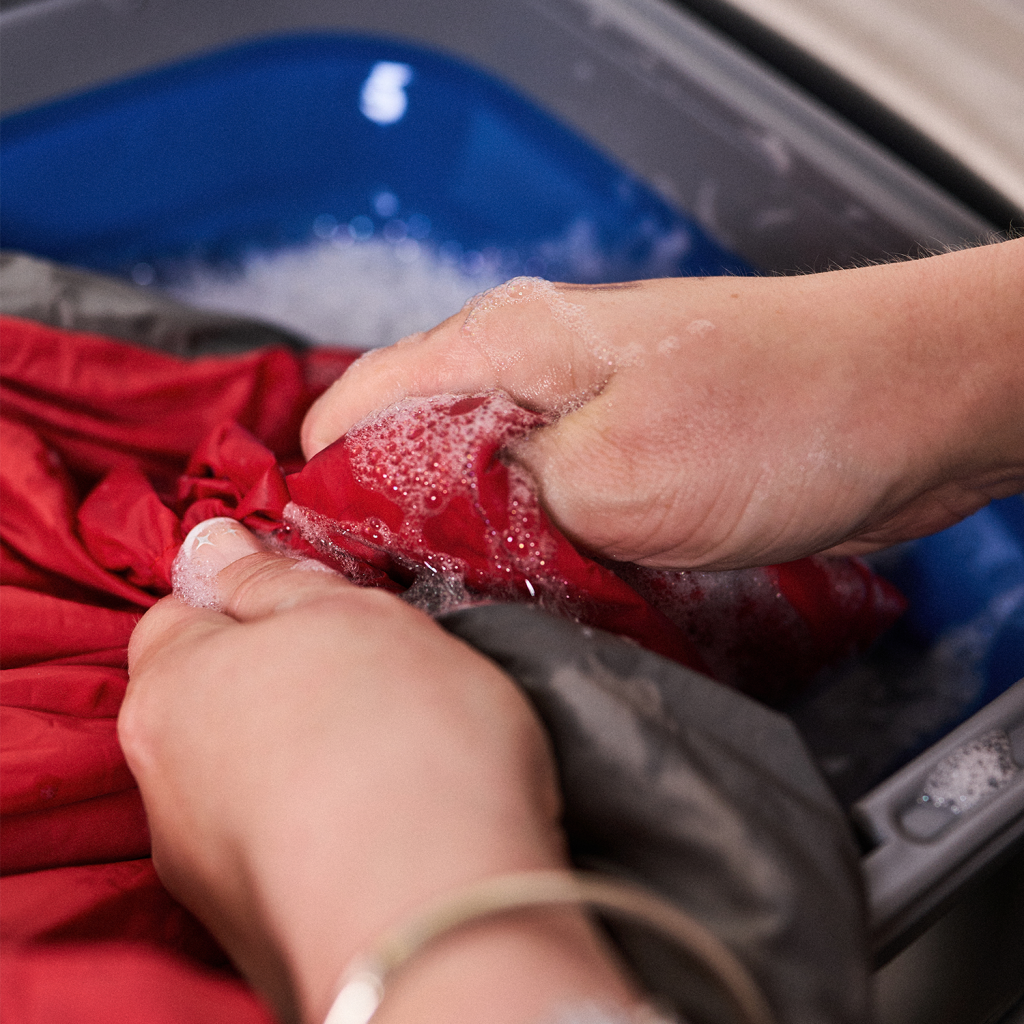
Have you ever wondered if you can wash your sleeping bag in the washer without ruining it? You want your gear fresh and clean, but the thought of tossing your sleeping bag into the machine might make you hesitate.
What if it loses its fluff or gets damaged? You’ll discover simple, effective ways to clean your sleeping bag safely at home. Keep reading to learn the best tips that will help your sleeping bag stay cozy and last longer on every adventure.
Types Of Sleeping Bags
Sleeping bags come in different types to match your camping needs. Choosing the right one helps you stay warm and comfortable.
Two main factors that affect sleeping bags are the fill material and the outer fabric. These affect warmth, weight, and care.
Down Vs Synthetic Fill
Sleeping bags use either down or synthetic fill for insulation. Each has its own benefits and drawbacks.
- Down fill:Made from duck or goose feathers. It is very warm and lightweight.
- Synthetic fill:Made from polyester fibers. It works better when wet and is easier to clean.
- Warmth:Down traps heat better but loses insulation if wet.
- Weight:Down sleeping bags are usually lighter and pack smaller.
- Cost:Down bags tend to be more expensive than synthetic ones.
Different Fabric Materials
The fabric on a sleeping bag affects durability, water resistance, and breathability. Common fabrics include nylon, polyester, and cotton blends.
| Fabric | Features | Care Tips |
| Nylon | Lightweight, strong, water-resistant | Use mild detergent, avoid bleach |
| Polyester | Durable, quick-drying, affordable | Machine wash gentle cycle |
| Cotton Blends | Soft, breathable, less water-resistant | Wash carefully, air dry preferred |
Washer Compatibility
Washing a sleeping bag in your home washer can be tricky. Not all washers work well with bulky items like sleeping bags.
Knowing which washer type fits your sleeping bag helps keep it clean and safe.
Front-load Vs Top-load Washers
Front-load washers use a tumbling action that cleans gently. They have no central agitator, reducing wear on your sleeping bag fabric.
Top-load washers often have a central agitator. This can be rough on delicate sleeping bags and cause damage over time.
- Front-load washers are better for large, bulky items.
- Top-load washers may not fit big sleeping bags comfortably.
- Agitators in top-load washers can cause tearing.
- Front-load washers use less water, which helps with drying.
Capacity And Size Considerations
Check your washer’s drum size before washing a sleeping bag. A small drum can crush the bag and stop it from cleaning well.
| Washer Type | Typical Drum Size | Sleeping Bag Fit |
| Front-Load | 4.5 to 5.5 cubic feet | Fits most sleeping bags comfortably |
| Top-Load | 3.5 to 4.5 cubic feet | May be tight for large bags |
| Compact Washers | Under 3.5 cubic feet | Not recommended for sleeping bags |
Make sure the sleeping bag moves freely inside the washer. Overfilling can prevent proper cleaning and damage the bag.
Preparation Before Washing
Washing a sleeping bag in a washer needs careful preparation. Getting ready helps keep your sleeping bag safe and clean.
Prepare your sleeping bag well before putting it in the washing machine. This saves time and protects the fabric.
Check Care Labels
Look at the sleeping bag’s care label for washing instructions. This label tells you if machine washing is safe.
Follow the label to avoid damage. Some sleeping bags need special cleaning or hand washing only.
Remove Dirt And Debris
Before washing, shake out your sleeping bag to remove loose dirt. Brush off mud or leaves stuck to it.
You can use a soft brush to clean off stubborn dirt. This helps the washer clean better and protects the fabric.
- Shake the sleeping bag outside
- Brush off mud and dirt
- Spot clean stains if needed
Close Zippers And Straps
Zip all zippers and fasten all straps on your sleeping bag. This stops them from catching or tearing during washing.
Closing zippers also protects the washer drum and keeps your sleeping bag’s shape intact.
Washing Instructions
Washing a sleeping bag in the washer can save time and effort. You must follow the right steps to keep it safe and clean.
Use the correct detergent, wash cycle, and rinse options to protect your sleeping bag’s materials and insulation.
Choosing The Right Detergent
Use a gentle detergent made for delicate fabrics or outdoor gear. Avoid regular detergents with harsh chemicals.
Do not use bleach, fabric softeners, or strong stain removers. These can damage the fabric and reduce insulation.
- Choose mild, non-detergent soap
- Look for detergents labeled safe for down or synthetic fills
- Avoid additives like bleach and softeners
Selecting Wash Cycle And Temperature
Wash your sleeping bag on a gentle or delicate cycle. This reduces stress on the fabric and stitching.
Use cold or warm water only. Hot water can harm the insulation and shrink the fabric.
- Gentle or delicate wash cycle
- Cold or warm water (not hot)
- Use a front-loading washer if possible
Using Extra Rinse Cycles
Extra rinse cycles help remove all detergent residues. Leftover soap can reduce loft and cause skin irritation.
Add at least one extra rinse cycle after the main wash. This ensures your sleeping bag is fully clean and safe.
- Use one or two extra rinse cycles
- Check for soap residue after washing
- Repeat rinse if needed
Drying Techniques
Drying your sleeping bag correctly helps keep it warm and fluffy. This guide covers the best ways to dry your sleeping bag safely.
Choosing the right drying method can prevent damage and extend the life of your sleeping bag.
Air Drying Vs Machine Drying
Air drying is gentle and avoids heat damage. Machine drying is faster but needs care to avoid harm.
| Drying Method | Pros | Cons |
|---|---|---|
| Air Drying | Protects fabric and insulation, no heat risk | Takes longer, needs space and airflow |
| Machine Drying | Faster drying, restores fluffiness quickly | Risk of melting or shrinking if too hot |
Using Dryer Balls
Dryer balls help keep the sleeping bag soft and speed up drying. They stop the filling from clumping.
- Use 3 to 4 dryer balls with your sleeping bag
- Choose wool or rubber balls for best results
- Check dryer balls often and rearrange the bag
- Do not use fabric softeners with dryer balls
Avoiding Damage During Drying
Drying your sleeping bag wrong can ruin its warmth and shape. Follow these tips to keep it safe.
- Use low heat or air fluff settings on your dryer
- Remove the bag while slightly damp to finish air drying
- Do not wring or twist your sleeping bag
- Keep it out of direct sunlight to avoid fabric fade
- Store the bag loose after drying to keep loft

Credit: www.halfwayanywhere.com
Common Mistakes To Avoid
Washing a sleeping bag in a washer needs care. Mistakes can damage the bag or reduce its warmth.
Learn about common errors to keep your sleeping bag clean and safe.
Overloading The Washer
Putting too many items or a large sleeping bag in a small washer harms both. The bag won’t wash well or rinse fully.
- Use a large-capacity washer for bulky sleeping bags.
- Wash one sleeping bag at a time.
- Leave enough room for the bag to move freely.
- Check the washer’s load limits before starting.
Using Harsh Chemicals
Strong detergents and bleach can ruin the fabric and insulation. They strip natural oils and damage fibers.
| Chemical Type | Why to Avoid |
| Bleach | Breaks down fabric fibers |
| Strong Detergents | Removes essential oils and loft |
| Fabric Softener | Reduces water repellency |
Use mild, sleeping bag-friendly detergents instead.
Skipping Proper Drying
Not drying a sleeping bag well causes mold and odor. Damp insulation loses its loft and warmth.
- Dry the bag fully before storing.
- Use a large dryer on low heat or air dry outside.
- Add clean tennis balls to the dryer to fluff insulation.
- Check for damp spots during drying.
Maintaining Sleeping Bag Longevity
Keeping your sleeping bag clean and well cared for helps it last longer. Proper maintenance protects the insulation and fabric. This guide covers simple ways to care for your sleeping bag.
Following a good routine and fixing small problems early keeps your bag ready for many trips. Use these tips to maintain its warmth and comfort.
Regular Cleaning Schedule
Cleaning your sleeping bag regularly stops dirt and oils from damaging it. Wash it only when needed to avoid wear. Spot clean small stains to save water and fabric.
- Air out the bag after each use to keep it fresh.
- Wash the bag every 3 to 4 uses or after heavy dirt.
- Use a gentle detergent made for down or synthetic material.
- Follow washing instructions on the tag carefully.
- Dry the bag completely before storing to avoid mold.
Storage Tips
Proper storage protects the shape and loft of your sleeping bag. Avoid compressing it for long times. Keep it in a cool, dry place away from direct sunlight.
| Storage Method | Purpose |
| Loose cotton sack or large mesh bag | Allows air to circulate and keeps loft |
| Hanging on a wide hanger | Prevents compression and creasing |
| Avoid plastic bags | Prevents moisture buildup and mildew |
| Store in a dry closet | Protects from humidity and pests |
Repairing Small Damages
Fixing small tears or holes quickly stops them from getting worse. Use patches or sewing kits made for outdoor gear. Keep repair materials in your camping kit for emergencies.
- Clean the damaged area before repair.
- Use fabric glue or iron-on patches for small holes.
- Sew tears with a needle and strong thread matching the bag color.
- Test repairs before your next trip to ensure durability.

Credit: www.familyhandyman.com
Credit: cascadedesigns.com
Frequently Asked Questions
Can You Wash A Sleeping Bag In A Regular Washer?
Yes, you can wash a sleeping bag in a regular washer. Use a front-loading machine to avoid damage. Choose a gentle cycle with cold water and mild detergent. Avoid fabric softeners and bleach to maintain insulation and fabric quality.
What Detergent Is Best For Washing Sleeping Bags?
Use a mild, non-detergent cleaner specifically designed for outdoor gear. Avoid regular detergents, fabric softeners, and bleach. These can damage the sleeping bag’s insulation and water-repellent coating. Specialized cleaners preserve loft and prolong the bag’s lifespan.
How Often Should You Wash A Sleeping Bag?
Wash your sleeping bag only when necessary, about once or twice a season. Frequent washing can reduce insulation and durability. Spot clean after minor dirt or spills. Proper airing and storage between uses help keep it fresh longer.
Can Washing Damage A Sleeping Bag’s Insulation?
Yes, improper washing can damage insulation. Using hot water, harsh detergents, or high spin speeds can clump down feathers or synthetic fills. Always follow care instructions and use gentle washing methods to preserve loft and warmth.
Conclusion
Washing a sleeping bag in the washer is possible with care. Use a gentle cycle and mild detergent to protect it. Avoid harsh chemicals and high heat to keep the bag safe. Always check the care label before washing. Dry it slowly, preferably air dry or on low heat.
Clean sleeping bags last longer and stay comfortable. Proper washing keeps them fresh and ready for your next trip. Taking small steps helps maintain warmth and shape. Simple care makes a big difference in sleeping bag life.