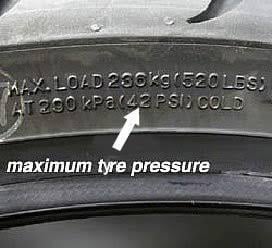
Are you sure your motorcycle tires have the right psi? The correct tire pressure isn’t just a number on the sidewall—it affects your safety, ride comfort, and how your bike handles the road.
Too low or too high, and you risk poor grip, faster tire wear, or even accidents. You’ll learn exactly what psi your motorcycle tires should be, why it matters, and how to check and maintain it easily. Keep reading to ride smarter and safer every time you hit the road.
Credit: www.harley-davidsonforums.com
Ideal Tire Pressure For Motorcycles
Maintaining the right tire pressure is important for motorcycle safety and performance. Proper pressure helps tires grip the road and last longer.
Each motorcycle has a recommended tire pressure range. Knowing this range helps you keep your ride smooth and safe.
Factors Affecting Tire Pressure
Tire pressure changes with temperature, load, and riding style. Cold air can lower pressure while heat can raise it.
Carrying extra weight or riding fast also affects the ideal pressure. Check your tires before every ride.
- Temperature: Cold air lowers pressure; heat raises it
- Load: More weight needs higher pressure
- Riding style: Aggressive riding may require adjustment
- Tire type: Different tires have different pressure needs
Recommended Psi Range
Most motorcycles recommend a tire pressure between 30 and 40 PSI. Check your owner’s manual for exact numbers.
Front and rear tires may need different pressure levels for best handling and safety.
| Tire | Recommended PSI Range |
|---|---|
| Front Tire | 30-36 PSI |
| Rear Tire | 32-40 PSI |
Impact Of Incorrect Tire Pressure
Maintaining the right tire pressure is vital for motorcycle safety. Incorrect pressure can cause many problems on the road.
Riders often overlook this simple check, but it affects how the bike handles, wears tires, and uses fuel.
Effects On Handling And Stability
Too low or too high tire pressure changes how your motorcycle feels and reacts. Low pressure makes steering sluggish and unstable. High pressure leads to a harsh ride and less tire contact with the road.
- Low pressure lowers stability in turns
- High pressure reduces grip on wet surfaces
- Uneven pressure causes wobbling at high speeds
Tire Wear And Longevity
Incorrect pressure speeds up tire wear and reduces tire life. Underinflated tires wear out on the edges. Overinflated tires wear more in the center.
| Tire Pressure | Wear Pattern | Effect |
| Too Low | Edges | Premature tire damage |
| Correct | Even | Longer tire life |
| Too High | Center | Reduced grip and tread depth |
Fuel Efficiency Concerns
Wrong tire pressure affects fuel consumption. Low pressure increases rolling resistance, making the engine work harder. High pressure may lower fuel use but risks safety.
- Underinflated tires increase fuel use by up to 10%
- Proper pressure helps maintain best mileage
- Checking pressure regularly saves money on fuel
Checking And Adjusting Tire Pressure
Keeping your motorcycle tires at the right PSI is very important. It helps your bike ride smoothly and safely.
Checking and adjusting tire pressure often can prevent tire damage and improve fuel efficiency.
How To Measure Psi Accurately
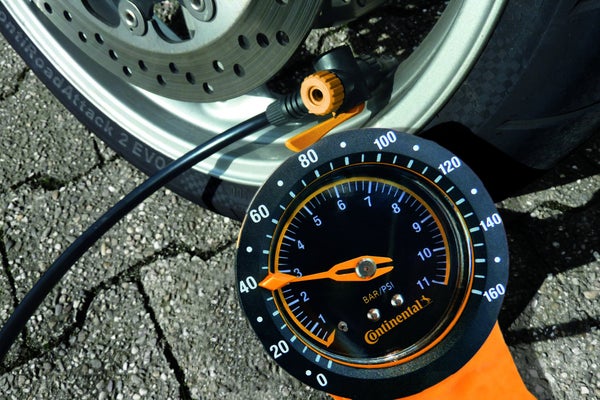
Use a reliable tire pressure gauge to measure the PSI. Check the pressure when tires are cold for best accuracy.
- Remove the valve cap from the tire.
- Press the gauge firmly on the valve stem.
- Read the pressure shown on the gauge.
- Add or release air to reach the recommended PSI.
- Replace the valve cap securely.
Tools For Tire Pressure Maintenance
You need some basic tools to keep tire pressure correct. These tools help you check and adjust PSI easily.
| Tool | Purpose |
| Tire Pressure Gauge | Measures PSI accurately |
| Air Compressor or Pump | Adds air to tires |
| Pressure Release Tool | Releases air if pressure is too high |
| Valve Caps | Protect valve from dirt and air leaks |
When To Check Tire Pressure
Check tire pressure regularly to keep your motorcycle safe. Tires lose air over time naturally.
- Before every long ride
- At least once a week for daily riders
- After temperature changes, as cold air lowers PSI
- If you notice the bike feels unstable or the tires look flat
Pressure Variations By Motorcycle Type
Motorcycle tire pressure is important for safety and performance. Different types of motorcycles need different tire pressures.
Knowing the correct psi helps your tires last longer and improves how your bike handles on the road or trail.
Sport Bikes
Sport bikes need higher tire pressure for better grip and fast cornering. They use stiff tires that work well with firm pressure.
Typical front tire pressure is around 32 to 36 psi. Rear tires usually require 36 to 42 psi.
- Front tire: 32-36 psi
- Rear tire: 36-42 psi
Cruisers
Cruiser motorcycles use wider tires and softer suspension. They need moderate tire pressure for comfort and stability.
Front tires usually hold 30 to 34 psi. Rear tires are often set between 34 and 38 psi.
- Front tire: 30-34 psi
- Rear tire: 34-38 psi
Touring Bikes
Touring bikes carry heavy loads and passengers. They need higher tire pressure for safety and tire wear.
Front tires often require 36 to 40 psi. Rear tires may need 40 to 44 psi or more depending on weight.
- Front tire: 36-40 psi
- Rear tire: 40-44+ psi
Off-road Motorcycles
Off-road bikes ride on dirt and rough trails. They use lower tire pressure for better traction and shock absorption.
Front tire pressure ranges from 12 to 18 psi. Rear tires are usually set between 14 and 20 psi.
- Front tire: 12-18 psi
- Rear tire: 14-20 psi
Seasonal And Load Adjustments
Correct tire pressure keeps your motorcycle safe and stable. It changes with seasons and the load you carry.
Adjusting psi helps your tires grip the road and last longer. Learn how weather and weight affect it.
Riding In Different Weather Conditions
Cold air shrinks tires, lowering pressure. Hot weather makes air expand, raising pressure.
- In cold weather, add 2-3 psi to your tires.
- In hot weather, check pressure often and reduce if needed.
- Wet roads require slightly higher psi for better control.
- Dry, warm days allow normal recommended psi levels.
Adjusting For Passenger And Cargo Weight
Extra weight puts more force on tires. This needs more air pressure to keep tires firm.
| Load Type | Front Tire PSI | Rear Tire PSI |
| Solo Ride | 30-32 | 32-36 |
| With Passenger | 32-34 | 36-40 |
| Passenger + Cargo | 34-36 | 40-44 |

Credit: www.reddit.com
Common Myths About Motorcycle Tire Pressure
Many riders do not check their motorcycle tire pressure correctly. Some believe wrong ideas about what psi should be. These myths can cause unsafe riding conditions.
Understanding the right tire pressure helps improve safety and tire life. Let’s look at some common myths about motorcycle tire pressure.
Myth: Higher Pressure Gives Better Mileage
Some riders think pumping tires to very high psi improves gas mileage. Too much pressure can make tires hard and reduce grip. This causes uneven tire wear and unsafe riding.
It is best to follow the manufacturer’s recommended psi. This balances mileage, comfort, and safety.
Myth: You Should Inflate Tires To Maximum Psi
Maximum psi on the tire sidewall is not the right pressure for riding. It is only the highest limit the tire can handle. Riding at max psi may cause poor traction and a rough ride.
Use the bike maker’s recommended psi, found in the owner’s manual or the bike’s frame.
Myth: Cold Tire Pressure Is Not Important
Tire pressure changes with temperature. Checking pressure when tires are hot gives false readings. Cold tire pressure is the correct way to measure.
Always check tire psi before riding. This ensures safe and consistent tire performance.
Myth: Front And Rear Tires Need The Same Pressure
Front and rear tires usually require different psi. The rear tire often carries more weight and needs higher pressure. Using the same pressure can cause instability.
- Check front tire psi separately from rear tire psi
- Follow the bike manual for correct pressures
- Adjust pressure when carrying extra load or a passenger
Myth: Tire Pressure Doesn’t Affect Handling
Tire pressure directly affects how your motorcycle handles. Low pressure can cause slow steering and poor cornering. High pressure may lead to a bumpy ride and less grip.
Proper tire pressure improves control and safety on all roads.
Safety Tips For Tire Pressure Maintenance
Proper tire pressure is very important for motorcycle safety. It helps your bike handle well and keeps you safe on the road.
Checking your tire pressure often can prevent accidents. It also helps your tires last longer and saves fuel.
Know The Correct Psi For Your Tires
Every motorcycle tire has a recommended PSI (pounds per square inch). This number is found in your owner’s manual or on the tire sidewall.
Use the correct PSI to avoid poor handling and uneven tire wear. Too low or too high pressure can be dangerous.
Check Tire Pressure When Tires Are Cold
Check your tire pressure before riding or after the bike has been parked for a few hours. Warm tires can give false readings.
Cold tire pressure is more accurate and helps keep your tires at the right level for safety and performance.
Use A Reliable Tire Pressure Gauge
A good tire pressure gauge gives you the right reading every time. Digital or dial gauges are easy to use and accurate.
Don’t guess your tire pressure. Always check with a gauge to keep your tires safe and working well.
Adjust Pressure For Load And Riding Conditions
When carrying heavy loads or riding on rough roads, adjust your tire pressure as needed. Follow your manual’s advice.
- Increase pressure slightly for heavy loads
- Lower pressure a bit for rough terrain
- Keep pressure within recommended limits
Inspect Tires Regularly For Damage
Check your tires for cuts, cracks, or bulges. Damaged tires can lose air quickly and cause accidents.
Replace tires that show damage or excessive wear to stay safe on the road.
Maintain Tire Pressure Weekly
Make it a habit to check your tire pressure at least once a week. This helps you catch problems early.
Regular checks keep your motorcycle running smoothly and reduce the risk of tire failure.
Credit: www.continental-tires.com
Frequently Asked Questions
What Is The Ideal Psi For Motorcycle Tires?
The ideal PSI varies by bike type and tire model. Typically, front tires need 28-32 PSI, while rear tires require 32-36 PSI. Always check the manufacturer’s manual or tire sidewall for exact recommendations to ensure safety and optimal performance.
How Does Psi Affect Motorcycle Tire Performance?
Proper PSI ensures better grip, handling, and tire longevity. Low PSI can cause tire overheating and poor stability. High PSI may lead to a harsh ride and uneven wear. Maintaining correct PSI balances safety, comfort, and tire lifespan.
When Should I Check Motorcycle Tire Psi?
Check tire PSI before every ride or at least weekly. Tires lose air naturally over time. Regular checks prevent unexpected deflation and improve safety. Use a reliable tire pressure gauge for accurate readings.
Can Incorrect Psi Cause Motorcycle Tire Damage?
Yes, incorrect PSI can cause uneven tire wear and damage. Low PSI increases heat buildup, risking tire failure. High PSI reduces tire contact, causing premature wear. Maintaining recommended PSI prevents costly repairs and enhances safety.
Conclusion
Maintaining the right tire pressure helps your motorcycle ride safely and smoothly. Check the psi regularly before every trip. Proper psi improves tire life and fuel efficiency. Avoid overinflated or underinflated tires to prevent accidents. Use the manufacturer’s recommended psi as a guide.
Remember, good tire care means better control on the road. Keep your bike ready and enjoy each ride with confidence. Safe tires make every journey more enjoyable.