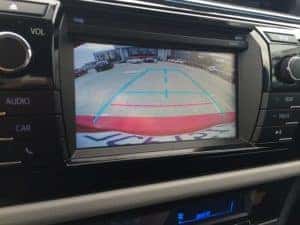
Have you ever wondered when cars first started having backup cameras? If you’re like most drivers, safety and convenience are top priorities every time you get behind the wheel.
Backup cameras have become almost essential, helping you avoid accidents and giving you a clear view of what’s behind your car. But when did this helpful technology actually become part of everyday vehicles? Keep reading to discover the surprising year backup cameras made their debut and how they quickly changed the way we drive.
This knowledge might just make you appreciate your car’s safety features even more.
Credit: www.ebay.com
Early Car Safety Features
Cars have evolved a lot since they first appeared. Safety has always been a key concern. Early designs focused on simple ways to help drivers see behind their vehicles.
Before backup cameras, drivers relied on mirrors and other tools to avoid accidents. These features laid the foundation for modern car safety technology.
Basic Rearview Mirrors
Rearview mirrors first appeared in the early 1900s. They allowed drivers to see what was behind without turning their heads. Side mirrors came later to improve the view of adjacent lanes.
- Interior rearview mirrors showed the area directly behind the car.
- Side mirrors helped drivers check for vehicles in blind spots.
- Mirrors were simple and did not require power or electronics.
Limitations Of Traditional Methods
Mirrors had limits that made backing up risky. They could not show low objects or areas blocked by the car’s body. Drivers often had blind spots.
| Issue | Description |
|---|---|
| Blind Spots | Areas not visible in mirrors could hide obstacles or people. |
| Low Objects | Small items near the ground were hard to see. |
| Night Driving | Limited visibility in the dark affected safety. |
| Weather Conditions | Rain, fog, or dirt on mirrors reduced clarity. |

Credit: www.bigstarbuickgmc.com
Invention Of Backup Cameras
Backup cameras help drivers see behind their cars. They reduce accidents while reversing. These cameras became common in cars many years after their invention.
The idea to use cameras for backing up started long before cars had them installed. Inventors worked on this technology to improve safety.
Initial Concepts And Patents
The first ideas for backup cameras appeared in the 1950s and 1960s. Inventors imagined using small cameras to show the rear view on a screen inside the car.
Several patents were filed for backup camera systems before they became widely used. These patents described cameras, screens, and wiring methods to connect them.
- 1956: George Ball patented a rear-view camera system.
- 1969: Another patent described a camera with a dashboard monitor.
- Early patents focused on safety and improving rear visibility.
Early Prototypes And Trials
Car makers tested backup cameras in the 1970s and 1980s. These early models used bulky screens and simple cameras.
Some trial vehicles had backup cameras as optional features. These helped engineers learn what worked well and what needed improvement.
- 1970: GM showed a car with a rear camera and screen.
- 1980s: Cameras improved but were still expensive.
- Trials led to better designs and easier installation.
First Cars With Backup Cameras
Backup cameras help drivers see what is behind their cars. They started appearing in cars decades ago. This safety feature is now common in many vehicles.
The first backup cameras were offered in select car models. These early systems were mostly found in luxury vehicles before spreading to other cars.
Luxury Models Leading The Way
Luxury car makers first added backup cameras to their models in the late 1990s. These cameras helped drivers park and avoid accidents more easily.
- 1991 Cadillac DeVille offered one of the earliest backup camera systems.
- 1999 Infiniti QX4 included a rearview camera as an option.
- Late 1990s Lexus models began to add backup cameras to improve safety.
Key Manufacturers And Models
Several manufacturers were important in bringing backup cameras to market. They helped make the feature more common in many cars over time.
| Manufacturer | Model | Year Introduced | Notes |
|---|---|---|---|
| Cadillac | DeVille | 1991 | First production backup camera system |
| Infiniti | QX4 | 1999 | Offered rearview camera as an option |
| Lexus | LS 400 | Late 1990s | Added backup cameras in luxury models |
| Toyota | Prius | 2000s | Helped popularize backup cameras in mass market cars |
Regulations Driving Adoption
Backup cameras help drivers see behind their cars. Many countries made rules to require these cameras. These rules helped make backup cameras common in vehicles.
Regulations focus on improving safety. They reduce accidents and injuries. Governments set dates when cars must have backup cameras.
Government Safety Mandates
The United States led with important laws for backup cameras. In 2014, a law required all new cars to have backup cameras. This law aimed to prevent back-over crashes.
- National Highway Traffic Safety Administration (NHTSA) set the rule in 2014.
- The rule applied to all new vehicles under 10,000 pounds.
- Manufacturers had until May 2018 to follow the rule.
- Other countries started similar rules after the U.S.
Timeline Of Legal Requirements
| Year | Country/Region | Requirement |
| 2014 | United States | Backup cameras mandatory for new cars by May 2018 |
| 2018 | Canada | Backup cameras required on new vehicles |
| 2018 | European Union | New vehicles must have rear visibility systems by May 2022 |
| 2020 | Japan | Backup cameras became standard on most new cars |
Technological Advancements
Backup cameras have become common in cars over the years. They help drivers see behind the vehicle. This technology started gaining attention in the late 1990s and early 2000s.
As technology improved, backup cameras became clearer and easier to use. Car makers began adding them as standard features in many models.
Improved Camera Quality
Early backup cameras had low resolution and poor color. This made it hard to see details. Over time, camera sensors and lenses improved.
- Higher resolution sensors provide clearer images
- Better lenses reduce distortion and improve focus
- Night vision and low-light performance got better
- Waterproof and durable designs increased reliability
Integration With Car Systems
Backup cameras started working with other car features. This made them more useful and safer.
| Feature | Description | Benefit |
| Parking Sensors | Use sound alerts with camera images | Helps avoid obstacles |
| Touchscreen Displays | Show camera view on main screen | Easy to see and control |
| Guidelines | Overlay lines on camera image | Assist in steering and parking |
| Automatic Braking | Stops car if obstacle detected | Prevents collisions |
Impact On Road Safety
Backup cameras became common in cars starting in the early 2000s. They help drivers see behind their vehicles. This technology has changed how people park and reverse safely.
These cameras have a strong impact on road safety. They reduce blind spots and lower the chance of accidents. Let’s explore their effects on safety in detail.
Reduction In Accidents
Backup cameras have helped reduce accidents, especially those involving children and pedestrians. They give drivers a clear view of obstacles behind the car.
- Drivers can detect small objects near the rear wheels.
- Parking in tight spaces becomes safer.
- Collisions with walls and poles decrease.
- Pedestrian accidents in parking lots drop.
Driver Awareness And Behavior
Backup cameras change how drivers behave when reversing. Drivers rely on the video feed to check surroundings more carefully.
| Driver Behavior | Effect of Backup Cameras |
|---|---|
| Looking over shoulder | Less frequent but more focused |
| Checking mirrors | Supplemented by camera view |
| Speed while reversing | Generally slower and cautious |
| Confidence in tight spots | Increased, reducing stress |
Future Of Backup Cameras
Backup cameras have changed how drivers see behind their vehicles. They help avoid accidents and make parking easier.
New technology will improve backup cameras to offer more safety and smart features.
Enhanced Features
Future backup cameras will include better image quality and wider views. Night vision and 3D imaging will become common. These features help drivers see clearly in all conditions.
- Higher resolution cameras for sharper images
- 360-degree views around the car
- Night vision to see in the dark
- 3D displays for depth perception
- Real-time obstacle detection alerts
Alternatives And Innovations
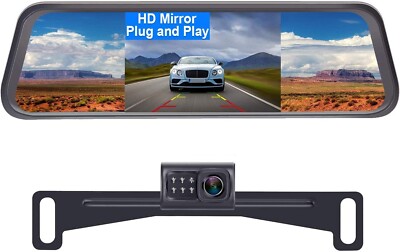
New ideas may replace or add to backup cameras. Some use sensors or radar for safety. Others combine cameras with smart software to guide drivers better.
| Technology | Benefit | Limitations |
| Ultrasonic Sensors | Detect close objects | Limited range |
| Radar Systems | Work in bad weather | Expensive |
| AI-based Cameras | Recognize objects | Needs powerful processors |
| Augmented Reality | Shows path on screen | Requires special displays |

Credit: www.amazon.com
Frequently Asked Questions
When Did Backup Cameras Become Standard In Cars?
Backup cameras became standard in all new cars in the United States starting May 2018. This was mandated by the National Highway Traffic Safety Administration to improve rear visibility and prevent accidents.
Which Car First Featured A Backup Camera?
The 1956 Buick Centurion concept car was the first to feature a backup camera. However, the technology became commercially available much later, in the late 1990s and early 2000s.
Why Are Backup Cameras Important For Drivers?
Backup cameras enhance safety by providing a clear view behind the vehicle. They help prevent collisions with pedestrians, objects, and other vehicles during reversing.
Are Backup Cameras Mandatory Worldwide?
Backup camera requirements vary by country. The United States mandated them in 2018, while other regions have different regulations or voluntary adoption rates.
Conclusion
Cars began adding backup cameras around 2018. Since then, these cameras help drivers see behind the vehicle. They improve safety and reduce accidents. Many new cars now include backup cameras as standard. This small device makes parking and reversing easier.
Knowing when backup cameras became common helps understand car safety progress. Technology keeps improving to protect drivers and pedestrians. Backup cameras show how simple tools can save lives. Safety features like these keep evolving every year.