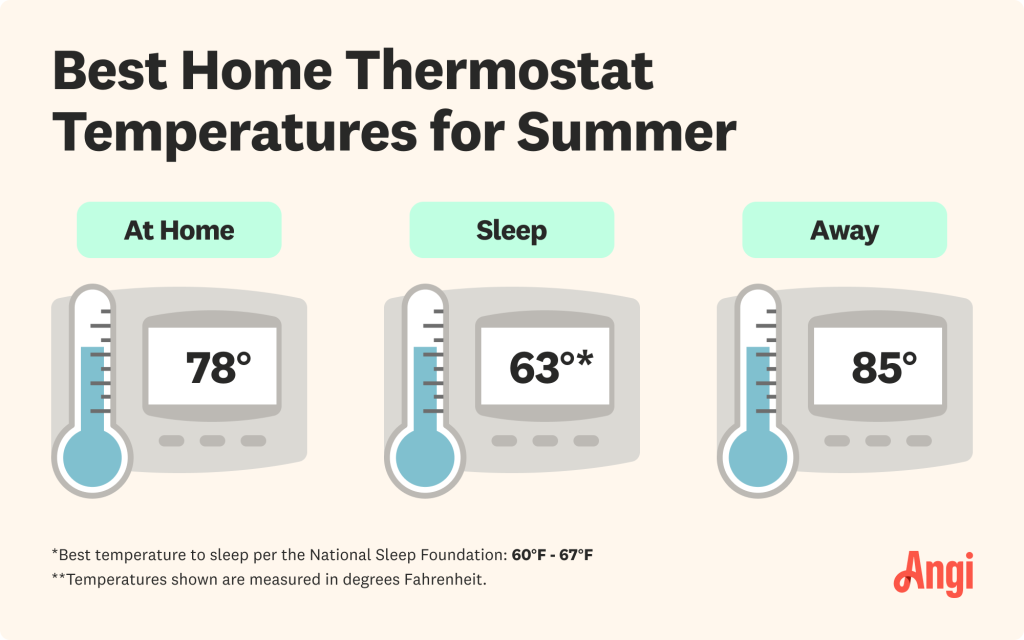
Are you wondering what temperature to set your air conditioner for the perfect balance of comfort and savings? Finding the right setting isn’t just about feeling cool—it can also impact your energy bills and even your health.
You’ll discover the ideal temperature that keeps your home comfortable without wasting energy. Keep reading to learn simple tips that make your AC work smarter, not harder. Your comfort and wallet will thank you!
Credit: heatable.co.uk
Ideal Temperature Ranges
Setting the right temperature on your air conditioner saves energy and keeps you comfortable. The ideal temperature depends on the time of day and humidity levels.
This guide explains good temperatures for daytime, nighttime, and how to adjust for humidity.
Comfortable Settings For Daytime
During the day, a slightly cooler temperature helps you stay alert and comfortable. Most people feel good between 72°F and 78°F.
If it is very hot outside, set the temperature closer to 72°F. For mild days, 76°F to 78°F saves energy.
- 72°F to 74°F for hot days
- 75°F to 78°F for mild days
- Avoid setting below 70°F to save energy
Best Nighttime Temperatures
At night, your body cools down naturally. A cooler room helps you sleep better. Aim for 65°F to 70°F.
Setting the air conditioner too cold can cause discomfort. Keep it steady for better rest.
- Ideal range: 65°F to 70°F
- Use a fan to circulate air if needed
- Keep temperature steady to avoid waking up
Adjusting For Humidity Levels
Humidity makes the air feel hotter or colder. High humidity means you may need a lower temperature to feel cool.
When humidity is low, you can raise the temperature slightly and still feel comfortable.
| Humidity Level | Recommended Temperature |
|---|---|
| High (above 60%) | 72°F to 74°F |
| Medium (40% to 60%) | 74°F to 76°F |
| Low (below 40%) | 76°F to 78°F |

Credit: www.healthkart.com
Energy Efficiency Tips
Setting the right temperature on your air conditioner saves energy. It helps reduce bills and keeps your home comfortable.
Small changes to your AC settings can make a big difference in energy use. Learn how to balance comfort and savings.
Balancing Comfort And Savings
Choose a temperature that feels cool but not too cold. Around 78°F (25.5°C) is good for summer days. It keeps you comfortable and uses less energy.
Avoid setting your AC too low. The colder it is, the harder your system works. This raises electricity use and costs.
Using Programmable Thermostats
Programmable thermostats help save energy by adjusting temperatures automatically. Set them to cool your home only when needed.
- Set higher temperatures when you are away.
- Lower the temperature before you return home.
- Use different settings for day and night.
- Keep the thermostat away from direct sunlight.
Impact Of Temperature On Energy Bills
Every degree you raise the temperature can lower your energy bill by about 3%. Here is a simple table showing estimated savings:
| Temperature Setting (°F) | Estimated Monthly Energy Cost ($) |
| 72 | 100 |
| 75 | 91 |
| 78 | 82 |
| 80 | 73 |
Health Considerations
Setting the right temperature on your air conditioner affects your health. Keeping it too cold or too warm can cause problems. It is important to find a balance that keeps you comfortable and healthy.
Here are some key health factors to think about when choosing your AC temperature.
Avoiding Overcooling
Overcooling can cause discomfort and health risks. Cold air can dry your skin and irritate your eyes. It can also make your muscles stiff and increase the chance of catching colds.
- Set the AC temperature between 75°F and 78°F (24°C to 26°C).
- Use a fan to help circulate air without lowering temperature too much.
- Avoid direct airflow on your body while sleeping or sitting.
Preventing Respiratory Issues
Air conditioners can affect your breathing if not used properly. Cold air and low humidity can cause dry throat and nose. Dust and mold in AC filters can worsen allergies and asthma.
| Tip | Reason |
| Keep AC filters clean | Prevents dust and mold buildup |
| Set temperature above 72°F (22°C) | Reduces dryness in airways |
| Use a humidifier if air feels too dry | Maintains healthy moisture levels |
Temperature And Sleep Quality
The right room temperature helps you sleep well. Too cold or too warm rooms can disturb your rest. Ideal sleep temperature supports deep and comfortable sleep.
Best temperature range for sleep:
- Between 65°F and 72°F (18°C to 22°C)
- Adjust slightly based on personal comfort
- Use light bedding to avoid chills
Seasonal Adjustments
Setting your air conditioner to the right temperature changes with the seasons. Adjusting the settings helps save energy and keeps your home comfortable all year.
Knowing how to change temperatures for hot days, cooler seasons, and sudden weather shifts makes your air conditioning work better.
Settings For Hot Summer Days
On hot summer days, keep your AC set between 75°F and 78°F. This range cools your home well and lowers electricity use.
- Set the temperature higher when no one is home.
- Use ceiling fans to help spread cool air.
- Close blinds to block direct sunlight.
- Limit using heat-making appliances during the hottest time.
Transitioning To Cooler Seasons
As the weather cools, adjust your air conditioner to a higher temperature or turn it off. You might only need AC in the early fall or late spring.
| Season | Recommended AC Setting |
| Late Spring | 78°F – 80°F |
| Early Fall | 78°F – 80°F |
| Winter | Turn off AC or set above 85°F |
Handling Sudden Temperature Changes
When the temperature changes suddenly, adjust your AC settings quickly. This keeps your home comfortable and prevents overuse of energy.
- Raise the temperature setting if it gets warmer fast.
- Lower the temperature if it suddenly cools down.
- Use a programmable thermostat to automate changes.
- Check windows and doors for drafts to keep the cool air inside.
Room-specific Settings
Setting the right temperature for your air conditioner depends on the room you are cooling. Different rooms need different temperatures for comfort and energy savings.
Knowing the best temperatures for each space helps you stay comfortable and save electricity.
Living Room Vs. Bedroom Temperatures
The living room is a common area where people move around and use electronics. It usually needs a cooler temperature to stay fresh. Bedrooms require a cooler setting for better sleep but not too cold.
- Set living room temperature between 72°F to 75°F (22°C to 24°C).
- Set bedroom temperature between 68°F to 72°F (20°C to 22°C) for restful sleep.
- Adjust based on personal comfort and outside weather.
Cooling Small Spaces Efficiently
Small rooms cool faster and keep the temperature steady with less energy. Setting the air conditioner too cold wastes power and can cause discomfort.
| Room Size | Recommended Temperature | Tip |
|---|---|---|
| Small (under 150 sq ft) | 74°F to 76°F (23°C to 24°C) | Use fans to help circulate air |
| Medium (150-300 sq ft) | 72°F to 75°F (22°C to 24°C) | Close doors to keep cool air in |
| Large (over 300 sq ft) | 70°F to 74°F (21°C to 23°C) | Consider zoning for better control |
Managing Multi-zone Systems
Multi-zone systems let you cool different areas at different temperatures. This helps save energy and keeps everyone comfortable.
- Set each zone temperature based on room use.
- Keep bedrooms cooler at night and living areas warmer during the day.
- Use programmable thermostats for easy control.
- Regularly maintain the system for best performance.
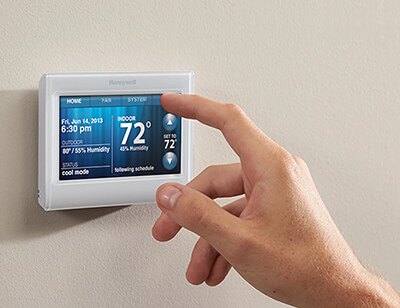
Credit: gulfshorecooling.com
Smart Thermostat Features
Smart thermostats make setting your air conditioner easier. They learn your habits and adjust temperatures automatically. This helps keep your home comfortable and saves energy.
Many smart thermostats connect to your phone. You can change the temperature from anywhere. Plus, they give reports on how much energy you use.
Learning Your Preferences
Smart thermostats study when you like it warm or cool. They track your daily routines and adjust the air conditioner. This means you do not have to change settings all the time.
- Remembers your preferred temperatures
- Adjusts based on time of day
- Changes settings on weekends or weekdays
- Adapts to seasonal temperature changes
Remote Control Advantages
You can control a smart thermostat from your phone or tablet. This means you can set the temperature before you get home. It also helps if you forget to turn off the air conditioner.
- Change temperature from anywhere
- Turn air conditioner on or off remotely
- Set schedules without touching the device
- Receive alerts for unusual temperature changes
Energy Usage Reports
Smart thermostats give clear reports on your energy use. These reports help you find ways to save money on bills. You can see which days use more energy and adjust accordingly.
| Day | Energy Used (kWh) | Notes |
| Monday | 12.5 | Hot day, AC ran more |
| Tuesday | 9.8 | Moderate weather |
| Wednesday | 11.2 | Used AC less in evening |
| Thursday | 13.0 | High use during afternoon |
| Friday | 10.5 | Normal use |
Frequently Asked Questions
What Is The Ideal Temperature To Set An Air Conditioner?
The ideal temperature is around 75°F (24°C) for comfort and energy efficiency. It balances cooling and power savings well.
How Does Temperature Setting Affect Energy Bills?
Lower temperatures increase energy use and bills. Setting your AC at 75°F reduces consumption and lowers costs.
Can Setting A Higher Temperature Save Energy?
Yes, raising the thermostat by 2-3 degrees can save up to 10% on cooling costs without much comfort loss.
What Temperature Keeps A Room Comfortable In Summer?
Setting your AC between 74°F and 78°F maintains comfort while reducing energy waste during hot months.
Conclusion
Setting your air conditioner to a good temperature saves energy and money. A range between 75°F and 78°F keeps you cool and comfortable. Lower settings use more power and raise bills. Higher settings might not cool enough. Adjust based on your comfort and weather.
Remember to use a fan to help air flow. Regular maintenance also keeps your AC working well. Small changes make a big difference in comfort and cost. Choose the right temp and enjoy a cooler home all summer.