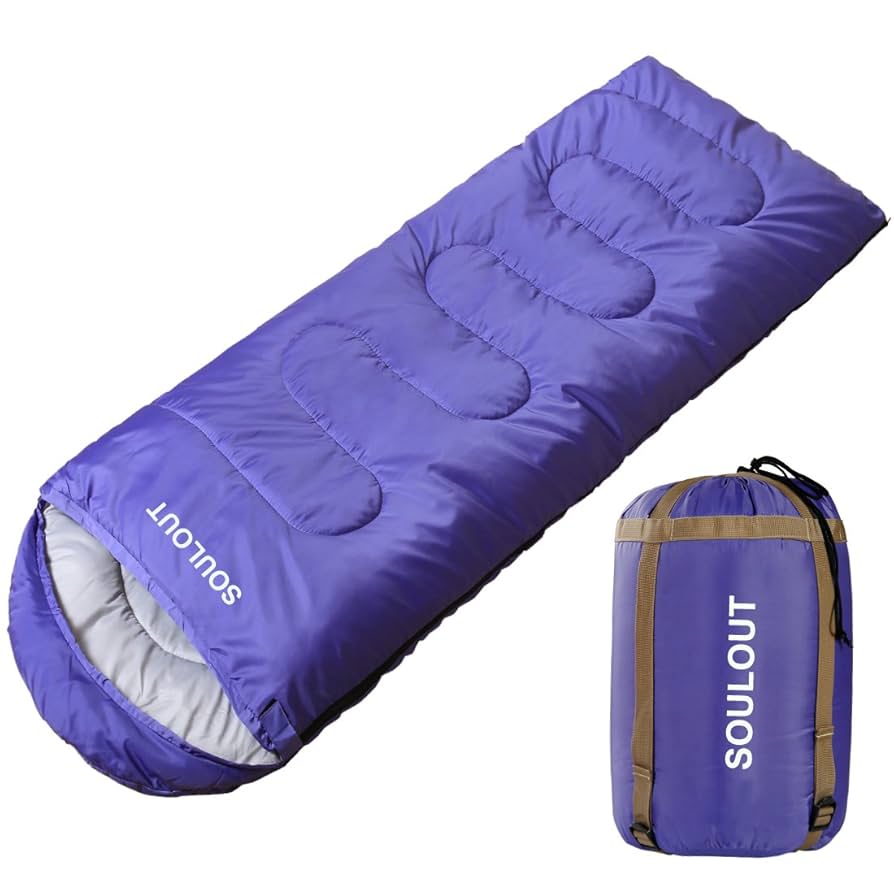
Have you ever wondered what makes a good night’s sleep outdoors possible? That’s where a sleeping bag comes in.
It’s not just a simple piece of fabric—your sleeping bag is your personal comfort zone when you’re camping, hiking, or even just staying over at a friend’s place. Imagine wrapping yourself in warmth and softness, blocking out the chill of the night.
If you want to learn exactly what a sleeping bag is and how it can make your outdoor adventures better, keep reading. This guide will help you pick the right one and sleep like a dream no matter where you are.
Sleeping Bag Basics
A sleeping bag is a warm covering for sleeping outdoors. It keeps you cozy in cold places. People use sleeping bags for camping and hiking.
Sleeping bags come in different shapes and sizes. They protect you from cold air and damp ground.
Purpose And Function
Sleeping bags provide insulation to keep your body heat inside. They stop cold air and moisture from reaching you. This helps you sleep comfortably outdoors.
They also offer padding from hard or uneven ground. This makes your rest better during camping trips.
Types Of Sleeping Bags
There are several types of sleeping bags. Each type fits different needs and weather conditions.
- Mummy bags are shaped to fit the body closely. They keep warmth better in cold weather.
- Rectangular bags offer more space to move. They work well in warm weather and for indoor use.
- Semi-rectangular bags combine shape and comfort. They are lighter than rectangular bags.
- Double bags are made for two people. They share warmth and space.
Key Features To Consider
Choosing the right sleeping bag means looking at many features. These features affect your comfort and safety.
- Temperature rating:Shows the coldest temperature the bag can handle.
- Insulation type:Can be down or synthetic. Down is warm and light. Synthetic works better when wet.
- Weight:Important if you carry your bag on long hikes.
- Size and shape:Choose one that fits your body and sleeping style.
- Durability:Look for strong materials that last through trips.
- Water resistance:Helps keep you dry in damp conditions.

Credit: www.mountainwarehouse.com
Materials And Insulation
Sleeping bags keep you warm by using special materials and insulation. These parts work together to trap heat and block cold air. Understanding the materials helps you pick the right sleeping bag.
This guide explains the types of fill, fabrics, and how temperature ratings work. Each part affects comfort and warmth differently.
Down Vs Synthetic Fill
Down fill comes from the soft feathers of ducks or geese. It is lightweight and very warm. Synthetic fill is made from man-made fibers. It works well even if wet and costs less.
- Down:Very warm, compresses small, lasts long
- Synthetic:Water-resistant, dries fast, heavier
- Care:Down needs careful washing, synthetic is easy to clean
Outer Fabric And Linings
The outer fabric protects the sleeping bag from wind and water. It is usually made of nylon or polyester. The lining is soft and comfortable against your skin. Some linings help wick moisture away.
| Part | Material | Function |
| Outer Fabric | Nylon or Polyester | Water-resistant, windproof, durable |
| Insulation Fill | Down or Synthetic Fibers | Traps heat and keeps warm |
| Lining | Soft Nylon or Polyester | Comfortable and moisture-wicking |
Temperature Ratings Explained
Sleeping bags have temperature ratings to show how cold it can be for comfort. These ratings help you choose the right bag for your trip. Ratings usually include comfort, limit, and extreme temperatures.
- Comfort:Lowest temperature you stay warm without cold stress
- Limit:Lowest temperature to avoid hypothermia but may feel cold
- Extreme:Survival temperature, not for long use
Sleeping Bag Shapes And Sizes
Sleeping bags come in many shapes and sizes. Each style fits different needs and body types.
Choosing the right shape can improve comfort and warmth during sleep outdoors.
Mummy Bags
Mummy bags are narrow at the feet and wider at the shoulders. This shape helps keep heat close to your body.
They often include a hood to cover your head and trap warmth. These bags are lighter and pack small.
Rectangular Bags
Rectangular bags offer more room to move inside. They are good for warm weather or those who like to sleep loosely.
- Provide extra space for comfort
- Can unzip fully to use as a blanket
- Usually heavier and bulkier than mummy bags
- Less heat efficient in cold weather
Semi-rectangular And Other Designs
Semi-rectangular bags combine features of mummy and rectangular shapes. They offer a balance of comfort and warmth.
| Shape | Description | Best Use |
| Semi-Rectangular | Tapered slightly at feet, roomy at shoulders | Moderate cold, comfort with some warmth |
| Double Sleeping Bags | Large bags for two people | Couples or shared warmth |
| Kids’ Bags | Smaller size and lighter weight | Children and small users |
Choosing The Right Sleeping Bag
Picking a sleeping bag is important for a good night’s rest outdoors. The right bag keeps you warm and comfortable. It also fits your travel style and budget.
Consider where you will use the bag and what you need to carry. These points help you make the best choice.
Matching Climate And Conditions
Choose a sleeping bag that suits the weather and place you will camp. Bags have different temperature ratings for warm or cold nights. Also, think about humidity and rain.
- Use a lightweight bag for mild weather.
- Pick an insulated bag for cold conditions.
- Look for water-resistant materials if it may rain.
- Consider breathability for humid areas.
Weight And Packability
Weight matters if you carry your gear far. A heavy bag can slow you down. Packability means how small the bag gets when packed.
| Type | Weight | Packed Size |
| Down Sleeping Bag | Light | Small |
| Synthetic Sleeping Bag | Medium | Medium |
| Winter Sleeping Bag | Heavy | Large |
Budget Considerations
Sleeping bags come in many price ranges. Decide how much you want to spend. A higher price can mean better materials and warmth.
- Set a budget before shopping.
- Check for deals on trusted brands.
- Think about how often you will use the bag.
- Balance cost with features you need.
Care And Maintenance
Taking care of your sleeping bag helps it last longer and stay warm. Proper care keeps the materials safe and clean.
Cleaning, storing, and repairing your sleeping bag are important steps. These simple actions improve its performance.
Cleaning Tips
Clean your sleeping bag only when it is dirty. Frequent washing can damage the insulation and fabric.
Use a gentle soap and cold water to wash your bag. Hand washing or a front-load washing machine works best.
- Close all zippers and fastenings before washing
- Use a mild detergent made for technical gear
- Avoid bleach or fabric softeners
- Rinse thoroughly to remove soap
- Dry flat or hang in a shaded area
Storage Best Practices
Store your sleeping bag loosely to keep insulation fluffy. Avoid tight compression when not in use.
Use a large cotton or mesh storage sack. Do not keep the sleeping bag in its compression sack for long periods.
- Keep the bag in a dry, cool place
- Hang or lay flat to avoid crushing
- Check for dampness before storage
- Air out the bag occasionally to prevent odors
Repair And Longevity
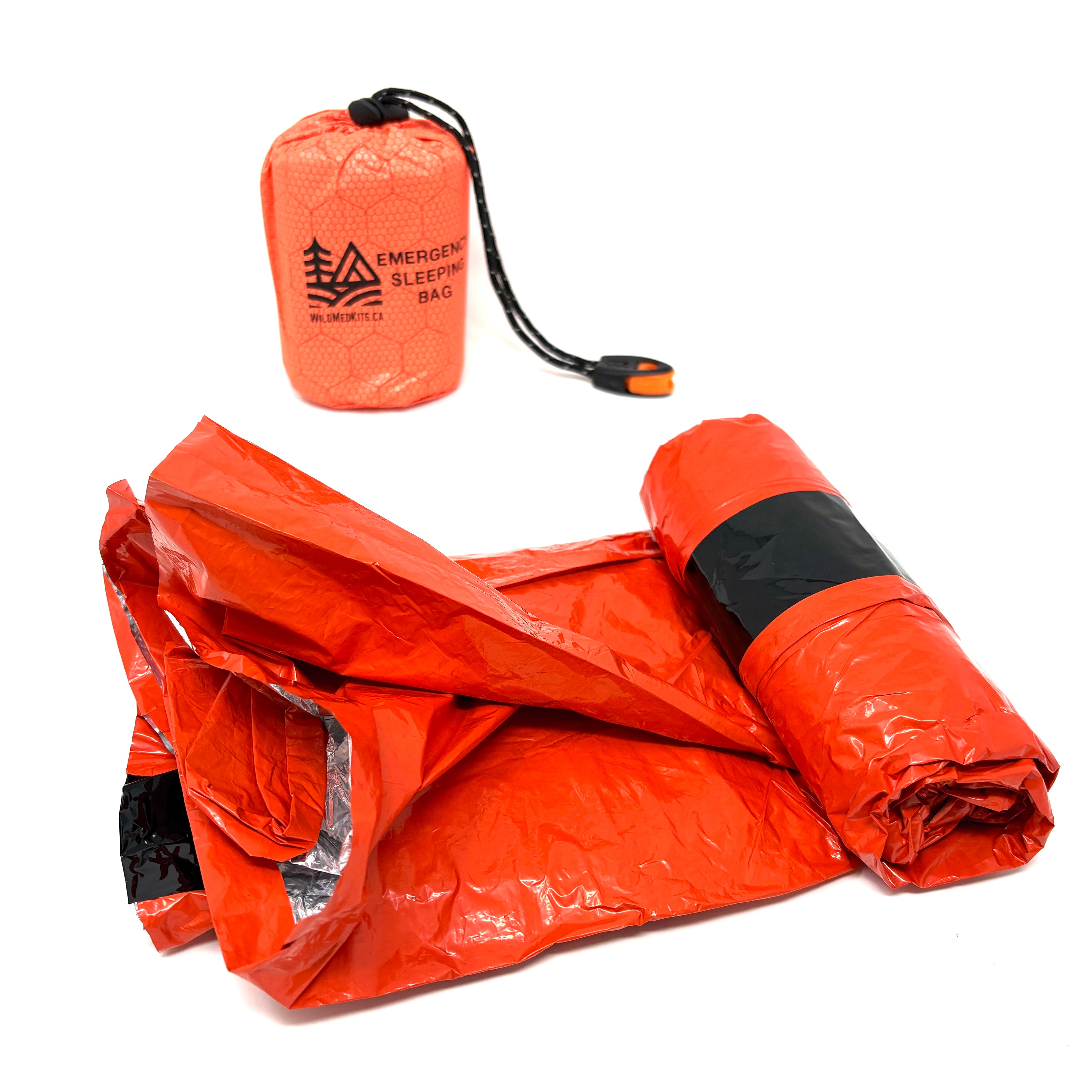
Fix small tears and holes quickly to stop them from getting worse. Use repair patches or special tape for sleeping bags.
Check zippers often to keep them working smoothly. Clean them gently and apply zipper lubricant if needed.
- Carry a repair kit on trips
- Use needle and thread for fabric tears
- Replace broken parts like zipper sliders
- Keep the bag dry to avoid mold and mildew
Credit: wildmedkits.ca
Sleeping Bag Accessories
Sleeping bags keep you warm and comfy outdoors. Accessories help improve your sleep and protect your gear.
Using the right accessories makes camping more enjoyable and your sleeping bag last longer.
Sleeping Pads And Liners
Sleeping pads add cushioning under your sleeping bag. They stop cold air from reaching your body.
Liners go inside your sleeping bag. They keep the bag clean and add extra warmth.
- Foam or inflatable pads provide comfort and insulation
- Liners can be made from silk, fleece, or cotton
- Using a liner helps extend the life of your sleeping bag
Pillows And Stuff Sacks
Camping pillows support your head and neck for better sleep. They pack small and weigh little.
Stuff sacks store your sleeping bag when not in use. They protect it from dirt and damage.
- Pillows come in inflatable and foam types
- Compression sacks reduce sleeping bag size for easy packing
- Regular stuff sacks keep the bag dry and clean
Additional Comfort Gear
Extra gear can improve your comfort while camping. Items like hand warmers and eye masks help you rest.
These small additions make a big difference on cold or bright nights outdoors.
- Hand warmers keep your hands cozy inside the sleeping bag
- Eye masks block light for better sleep
- Sleeping bag hoods trap heat around your head

Credit: www.amazon.ca
Frequently Asked Questions
What Is A Sleeping Bag Used For?
A sleeping bag provides warmth and comfort during outdoor sleeping. It insulates your body from cold ground and air. Ideal for camping, hiking, or emergencies, it keeps you cozy in various weather conditions.
How Do Sleeping Bags Keep You Warm?
Sleeping bags trap your body heat inside their insulated layers. Materials like down or synthetic fibers create a thermal barrier. This prevents heat loss and protects you from cold temperatures outdoors.
What Types Of Sleeping Bags Are Available?
Sleeping bags come in rectangular, mummy, and semi-rectangular shapes. They vary by insulation type, temperature rating, and weight. Choose one based on climate, comfort needs, and activity for best results.
How To Choose The Right Sleeping Bag?
Consider temperature rating, insulation type, size, and weight. Pick a bag suitable for expected weather and your body size. Lightweight bags suit backpacking, while heavier bags are good for car camping.
Conclusion
A sleeping bag keeps you warm and comfortable outdoors. It comes in many shapes and sizes for different needs. Choosing the right one depends on weather and activity. Sleeping bags help you rest well during camping or hiking trips. They are easy to carry and use.
Understanding what a sleeping bag is helps you prepare better. Ready for your next adventure? A good sleeping bag makes all the difference.