Have you ever wondered just how cold your air conditioner can make your room? You might think it’s all about setting the thermostat low and waiting for the chill to kick in.
But there’s more to it than that. Understanding how cold your AC can really get helps you use it smarter, save energy, and stay comfortable without freezing yourself out. Keep reading to discover the surprising facts about your air conditioner’s limits—and how to get the best cool air possible this summer.

Credit: www.lifestylewarehouse.co.uk
Air Conditioner Cooling Limits
Air conditioners have limits on how cold they can make a room. This depends on different factors. Knowing these helps you set realistic expectations for your AC unit.
This article explains the main reasons why ACs cannot cool below certain temperatures. It covers settings, safety, and room conditions.
Factors Affecting Minimum Temperature
The lowest temperature an air conditioner can reach depends on many things. These include the type of unit, outdoor weather, and how well the room keeps cool air inside.
- Type and size of the air conditioner
- Outdoor temperature and humidity
- Room insulation quality
- Airflow and ventilation
- Thermostat accuracy
Manufacturer Settings And Safety
Manufacturers set limits on how low the AC can cool. These settings protect the machine and the user. Cooling below these limits can cause damage or unsafe conditions.
| Reason | Details |
| Compressor Protection | Stops freezing and breakdown of parts |
| Energy Efficiency | Keeps power use reasonable |
| Safety | Avoids very cold air that can harm people |
| Warranty Rules | Prevents voiding warranty due to misuse |
Impact Of Room Size And Insulation
Big rooms need more cooling power. Poor insulation lets heat in, making the AC work harder. Both factors raise the lowest temperature the AC can reach.
- Use curtains to block sunlight
- Seal windows and doors well
- Choose an AC unit sized for your room
- Keep vents and filters clean
Credit: www.billssuperheat.com
Types Of Air Conditioners
Air conditioners come in different types to suit various needs. Each type cools air in a unique way. Knowing these types helps you pick the right one.
This guide explains four common air conditioner types. Learn how they work and what makes them different.
Window Units
Window units fit into a window or a hole in a wall. They cool one room at a time. These units are easy to install and affordable.
They work by pulling warm air from the room and sending cold air back. They also push hot air outside.
Split Systems
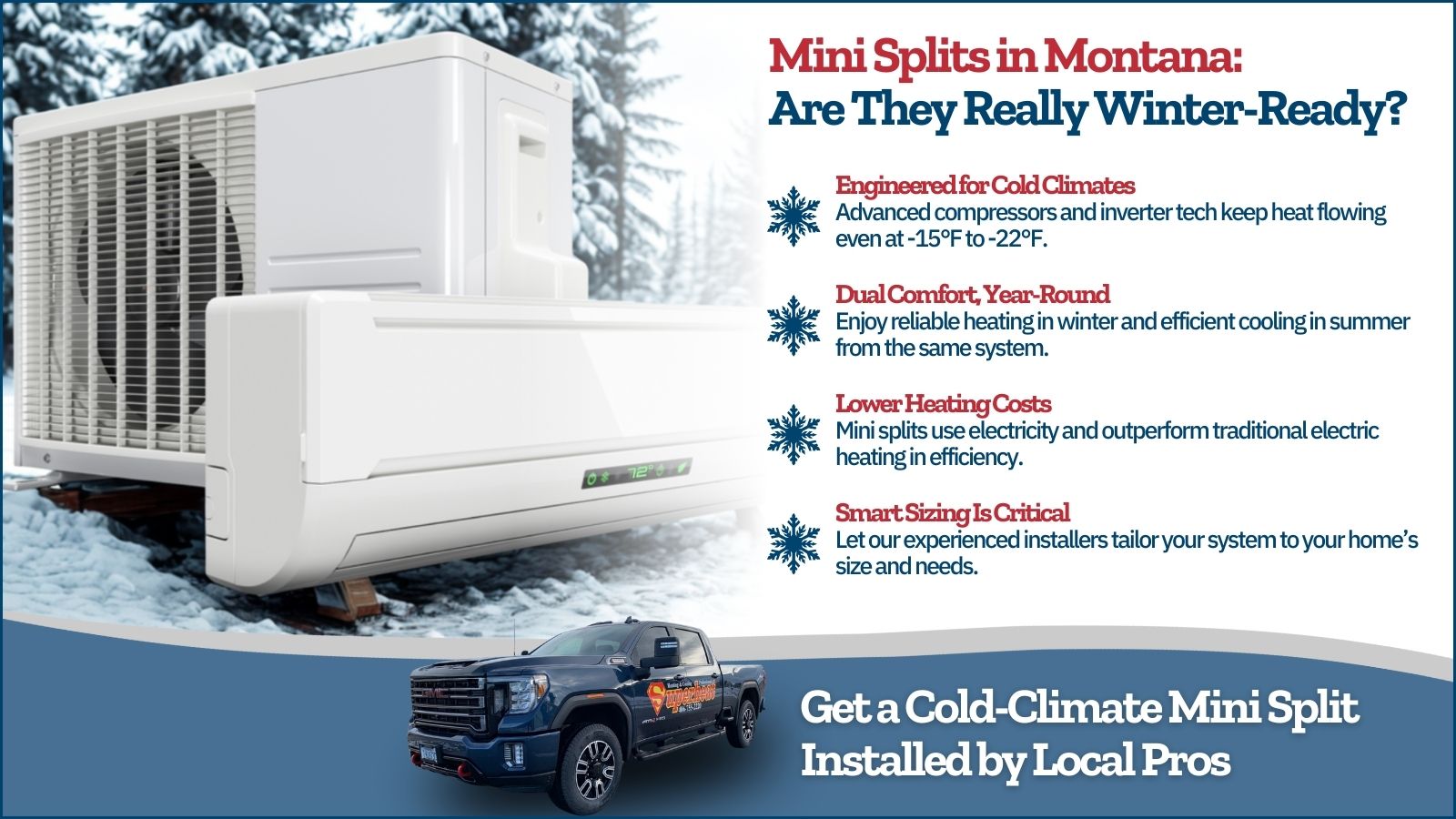
Split systems have two parts: an indoor unit and an outdoor unit. The indoor unit blows cool air inside. The outdoor unit releases heat outside.
These systems are quiet and energy efficient. They cool multiple rooms if connected to several indoor units.
Portable Air Conditioners
Portable air conditioners can be moved from room to room. They need a venting hose to push hot air outside. These units are good for temporary cooling.
- Easy to move and install
- Good for small spaces
- Needs window access for the hose
- Usually less efficient than split systems
Central Air Conditioning
Central air conditioning cools an entire building. It uses ducts to send cool air to every room. This system is common in large homes and offices.
| Feature | Window Units | Split Systems | Portable Units | Central Air |
| Cooling Area | Single room | One or more rooms | Single room | Whole building |
| Installation | Window or wall | Indoor/outdoor units | Portable with vent hose | Ductwork needed |
| Mobility | Fixed | Fixed | Movable | Fixed |
| Efficiency | Moderate | High | Low to moderate | High |
How Air Conditioners Lower Temperature
Air conditioners cool the air inside your home or office. They move heat from indoors to outdoors to make the room cooler.
This process uses special parts and chemicals to lower the temperature effectively and keep you comfortable.
Refrigerant Cycle Basics
The refrigerant cycle is the main way air conditioners cool air. It uses a liquid called refrigerant that changes to gas and back.
The refrigerant absorbs heat from inside and releases it outside, which lowers the indoor temperature.
- Refrigerant evaporates inside the coil to absorb heat
- It becomes gas and carries heat outside
- It condenses back to liquid to release heat
Heat Exchange Process
Heat exchange is how heat moves from inside to outside. The indoor coil absorbs heat, and the outdoor coil releases it.
Fans help move air over these coils to speed up heat transfer and cool the room faster.
- Indoor coil absorbs warm air heat
- Outdoor coil releases heat outside
- Fans push air through the coils
Thermostat Role
The thermostat controls the air conditioner. It senses room temperature and tells the AC to turn on or off.
This keeps the room at the temperature you want without wasting energy.
- Measures current room temperature
- Turns AC on when room is too warm
- Turns AC off when room reaches set temperature
Common Temperature Ranges
Air conditioners cool indoor spaces by lowering the temperature. They can reach a range of cool temperatures based on the unit and settings.
Knowing typical temperature ranges helps you set your air conditioner efficiently. It also shows how cold your room can get.
Typical Cooling Setpoints
Most air conditioners cool rooms to about 68°F to 78°F (20°C to 26°C). This range is comfortable for many people.
Setting the temperature lower than this usually does not improve comfort much and uses more energy.
- Common setpoint range: 68°F to 78°F (20°C to 26°C)
- Ideal for daily home and office use
- Helps maintain good air quality and comfort
Extreme Cooling Scenarios
In some cases, air conditioners can cool below 60°F (15°C). This happens in specialized or commercial systems.
Extreme cooling is used in places like server rooms or labs where low temperatures are critical.
- Cooling below 60°F (15°C) is uncommon for homes
- Special systems handle very low temperatures
- Extreme cooling uses more power and may stress the unit
Energy Efficiency Considerations
Lowering temperature settings greatly increases energy use. Each degree cooler can raise power consumption by 6% to 8%.
Setting air conditioners to moderate temperatures saves energy and lowers bills.
- Keep setpoints between 68°F and 78°F (20°C to 26°C) for efficiency
- Avoid extreme cooling unless necessary
- Use fans to help air circulate and improve comfort
Limitations And Risks
Air conditioners cool indoor spaces by removing heat from the air. They have limits on how cold they can make a room. Going beyond these limits can cause problems.
Understanding the risks helps you use air conditioners safely and keep them working well. This section covers frost and ice build-up, compressor overload, and health and comfort issues.
Frost And Ice Build-up
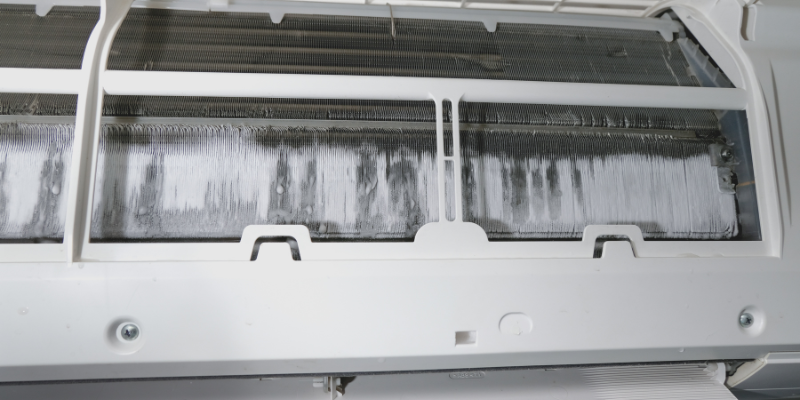
When an air conditioner tries to cool too much, frost or ice can form on the coils. This happens because moisture freezes on cold surfaces.
- Ice blocks airflow, reducing cooling power.
- Frost causes the unit to work harder, wasting energy.
- Ice can damage parts like the fan or coil.
Regular maintenance and not setting the temperature too low help prevent frost and ice build-up.
Compressor Overload
The compressor is the heart of an air conditioner. It pumps refrigerant to cool the air. If the unit runs too long or too cold, the compressor can overload.
| Cause | Effect |
| Running unit below recommended temperature | Compressor works too hard |
| Dirty filters or blocked airflow | Compressor overheats |
| Low refrigerant levels | Compressor strain and failure |
To avoid overload, keep filters clean and use the unit within its designed limits.
Health And Comfort Issues
Setting air conditioners too cold can cause discomfort and health risks. Cold air dries out skin and mucous membranes.
- Cold air may cause headaches or stiff muscles.
- It can worsen respiratory problems like asthma.
- Sudden temperature changes may lead to colds.
- Overcooling increases energy use without more comfort.
Keep indoor temperature moderate for comfort and health.

Credit: www.aljazeera.com
Tips For Maximizing Cooling Efficiency
Air conditioners can cool rooms to comfortable temperatures. Using them well helps save energy and keeps your home cool.
Follow these tips to make your air conditioner work better and cool your space more efficiently.
Proper Maintenance
Keep your air conditioner clean and in good shape. Dirty filters and parts lower its cooling power.
Check and replace filters often. Clean the coils and remove dust from vents.
- Change filters every 1 to 3 months
- Clean evaporator and condenser coils yearly
- Clear debris from outside unit
- Check for leaks and fix them quickly
Optimal Thermostat Settings
Set your thermostat to a comfortable but not too low temperature. Very low settings make your AC work harder.
Use a programmable thermostat to adjust temperatures when you are away or asleep.
- Set temperature around 24-26°C (75-78°F)
- Avoid setting below 22°C (72°F)
- Use timers or programmable settings
- Increase temperature when no one is home
Enhancing Room Insulation
Good insulation helps keep cool air inside and hot air outside. This reduces the air conditioner’s workload.
Seal windows and doors. Use curtains or blinds to block sunlight during hot hours.
- Seal gaps around windows and doors
- Use weatherstripping on doors
- Install thick curtains or blinds
- Add insulation in walls and attic
Alternative Cooling Methods
Air conditioners cool indoor spaces by removing heat. But they have limits on how cold they can get.
There are other ways to cool your home that use less energy or work better in certain climates.
Evaporative Coolers
Evaporative coolers use water to cool the air. They add moisture while lowering the temperature.
These coolers work best in dry, hot places where humidity is low.
- Air passes through wet pads
- Water evaporates and cools the air
- Cool, moist air enters the room
- Uses less electricity than AC units
Fans And Ventilation
Fans move air around to help cool your body. They do not lower room temperature.
Good ventilation removes hot air and brings in cooler air from outside.
- Ceiling and portable fans improve air flow
- Opening windows helps fresh air enter
- Exhaust fans remove warm air in kitchens and bathrooms
- Cross-ventilation cools rooms naturally
Smart Home Cooling Systems
Smart cooling systems adjust temperature based on your habits and weather.
They use sensors and apps to save energy and keep rooms comfortable.
- Thermostats learn your schedule
- Control cooling from your phone
- Use sensors to target rooms in use
- Integrate with other smart devices
Frequently Asked Questions
How Cold Can Air Conditioners Make A Room?
Air conditioners typically cool rooms to around 60-65°F (15-18°C). The exact temperature depends on the unit’s capacity and settings. Extreme cold is limited by safety and energy efficiency.
What Factors Affect Ac Cooling Temperature?
Room size, insulation, outdoor temperature, and AC unit size impact cooling. Proper maintenance and clean filters also improve efficiency and lower achievable temperatures.
Can Air Conditioners Freeze If Set Too Cold?
Yes, setting an AC too cold can cause the evaporator coil to freeze. This reduces cooling efficiency and may damage the unit if not addressed promptly.
Is It Energy Efficient To Set Ac Very Cold?
No, very low temperatures increase energy consumption and utility bills. Setting AC to a moderate, comfortable temperature saves energy while maintaining comfort.
Conclusion
Air conditioners cool air to a comfortable level, not freezing cold. They usually lower room temperature by about 20 to 30 degrees. Setting them too low can waste energy and cause problems. Good maintenance helps air conditioners work well and last longer.
Understanding how cold they can get helps you use them wisely. Stay cool, save energy, and enjoy a pleasant home.