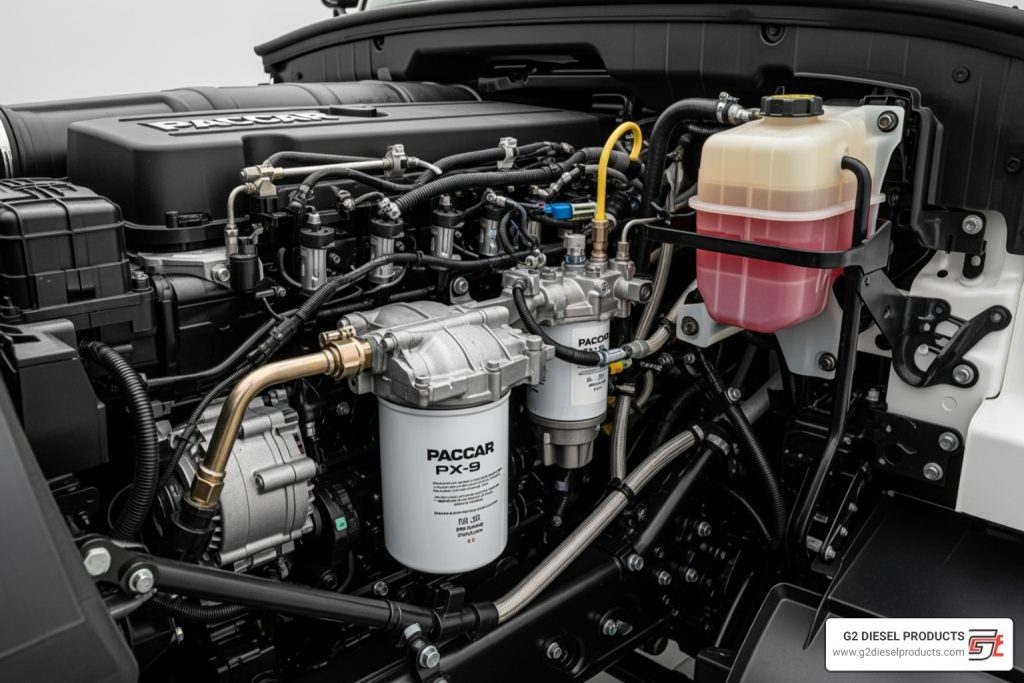
Are you facing trouble starting your engine or noticing poor performance? Knowing how to prime your fuel system could be the simple fix you need.
When your fuel system isn’t properly primed, your engine struggles to get the fuel it needs to run smoothly. In this guide, you’ll discover easy, step-by-step methods to prime your fuel system quickly and effectively. By the time you finish reading, you’ll have the confidence to get your engine running like new—no frustration, no guesswork.
Keep reading to unlock the secret to a smooth start every time.
Fuel System Basics
The fuel system delivers fuel to the engine. It keeps the engine running smoothly. Priming the fuel system prepares it for operation.
Understanding the parts and the role of priming helps maintain your engine. This guide explains key components and why priming matters.
Components Involved
The fuel system has several main parts. Each part plays a role in moving fuel safely and efficiently.
- Fuel Tank:Stores the fuel before use.
- Fuel Pump:Moves fuel from the tank to the engine.
- Fuel Filter:Removes dirt and debris from the fuel.
- Fuel Lines:Carry fuel between parts.
- Carburetor or Fuel Injectors:Mix fuel with air for combustion.
Role Of Priming
Priming fills the fuel lines and pump with fuel before starting the engine. It removes air pockets that can stop fuel flow.
| Benefit | Description |
| Prevents Engine Stalling | Ensures steady fuel supply at startup. |
| Protects Fuel Pump | Stops dry running that can cause damage. |
| Improves Starting | Makes the engine start faster and easier. |
| Reduces Engine Wear | Maintains smooth fuel delivery for less strain. |
Signs Fuel System Needs Priming
Your vehicle’s fuel system sometimes needs priming to work well. Priming helps push fuel through the lines.
If you notice trouble starting or engine problems, the fuel system may need priming. Watch for these signs.
Common Symptoms
When the fuel system needs priming, the engine may act strange. You might hear unusual sounds or see warning lights.
- Engine cranks but does not start
- Engine stalls shortly after starting
- Fuel smell near the engine or fuel tank
- Engine runs rough or hesitates
- Check engine light or fuel system warning light
These signs show the fuel is not flowing properly. The system may have air or blockages.
Potential Causes
Fuel system problems can happen for many reasons. Dirt, old fuel, or loose parts can stop fuel flow.
- Empty fuel tank or low fuel level
- Air trapped in fuel lines
- Clogged fuel filter
- Faulty fuel pump or fuel injectors
- Loose or damaged fuel line connections
- Fuel system repairs or maintenance recently done
Knowing these causes helps fix the problem fast. Priming clears air and restores fuel flow.
Tools Required For Priming
Priming the fuel system is important before starting an engine. Using the right tools makes the process easier and safer.
This guide covers the basic tools you need to prime your fuel system correctly.
Essential Equipment
You need some basic equipment to prime the fuel system. These tools help you remove air and get fuel flowing properly.
- Fuel primer bulb or hand pump
- Wrenches or pliers for loosening fittings
- Clear fuel line for checking fuel flow
- Clean rags or towels for spills
- Fuel container for catching leaks
Safety Gear
Safety is important when working with fuel. Use proper gear to protect yourself from fuel spills and fumes.
| Safety Gear | Purpose |
| Gloves | Protect skin from fuel contact |
| Safety glasses | Protect eyes from splashes |
| Face mask | Reduce inhaling fuel fumes |
| Fire extinguisher | Handle fuel fires quickly |
| Well-ventilated workspace | Reduce fume buildup |

Credit: www.youtube.com
Step-by-step Priming Process
Priming the fuel system is important for smooth engine start and operation. It removes air pockets and prepares fuel lines.
Follow clear steps to ensure the system is properly primed before use. This guide covers common methods to prime fuel systems.
Preparation Steps
Start by checking the fuel tank and lines for leaks or damage. Make sure all connections are tight and secure.
- Turn off the engine and let it cool.
- Inspect fuel lines for cracks or wear.
- Check the fuel filter for clogs.
- Ensure the fuel tank has enough fuel.
- Wear gloves and eye protection for safety.
Manual Priming Techniques
Manual priming uses hand-operated parts to move fuel through the system. It helps clear air from the lines before starting.
- Locate the manual primer bulb or lever on the fuel line.
- Squeeze the primer bulb repeatedly until it feels firm.
- Operate the lever several times to push fuel through.
- Watch for fuel flow without air bubbles in the lines.
- Start the engine once the fuel system feels fully primed.
Using Priming Pumps
Priming pumps use a mechanical action to draw fuel. They are common in diesel engines and some gasoline engines.
| Pump Type | Action | When to Use |
| Hand Pump | Pull handle to draw fuel | Fuel lines without primer bulb |
| Lever Pump | Move lever back and forth | Older diesel engines |
| In-line Pump | Built into fuel line for easy priming | Modern fuel systems |
Electric Priming Methods
Electric priming uses a small motor to pump fuel. It is fast and reduces manual effort.
Follow these tips for electric priming:
- Turn the ignition key to the ON position without starting the engine.
- Activate the electric fuel pump switch if separate from ignition.
- Listen for the pump running and check fuel flow in the lines.
- Allow the pump to run until fuel reaches the carburetor or injectors.
- Turn off the pump switch before starting the engine.
Troubleshooting Priming Issues
Priming the fuel system is key to starting many engines. Sometimes the system does not prime properly.
Understanding common causes helps fix priming problems fast. This guide covers causes and quick fixes.
Priming Failure Causes
Fuel system priming can fail for many reasons. Dirt or debris may block fuel lines or filters.
- Air leaks in fuel lines stop proper suction
- Clogged fuel filters reduce fuel flow
- Worn or damaged primer bulbs do not pump fuel
- Faulty fuel pumps can fail to move fuel
- Old or stale fuel causes blockages
Quick Fixes
Fixing priming problems often requires simple checks and repairs. Always check these parts first.
| Issue | Fix |
| Air leak | Inspect and tighten hose clamps |
| Clogged filter | Clean or replace the fuel filter |
| Damaged primer bulb | Replace the primer bulb |
| Faulty pump | Test and replace fuel pump if needed |
| Old fuel | Drain and refill with fresh fuel |
After fixes, try priming again. If issues continue, inspect the fuel system more closely or seek help.
Maintenance Tips For Fuel System
Keeping your fuel system in good shape helps your engine run smoothly. Regular care can stop costly repairs.
Simple steps like inspection and cleaning can improve fuel efficiency. Let’s look at key maintenance tips.
Regular Inspection
Check your fuel system often to find problems early. Look for leaks, cracks, and dirty parts.
Inspect fuel lines, filters, and pumps for wear or damage. Replace parts that show signs of trouble.
- Look for fuel leaks under the vehicle
- Check fuel filter for clogging
- Inspect fuel pump for unusual noises
- Examine fuel lines for cracks or brittleness
Preventive Measures
Use clean fuel and replace filters regularly. Dirty fuel can clog the system and reduce engine power.
Keep fuel tank full to avoid moisture buildup. Add fuel system cleaner as part of regular maintenance.
- Refill fuel tank before it gets very low
- Use fuel additives to clean injectors
- Replace fuel filter every 20,000 to 30,000 miles
- Store vehicle in a dry place to reduce moisture
Expert Tips And Tricks
Priming a fuel system helps your engine start smoothly. It removes air and fills fuel lines with fuel.
Using the right techniques saves time and prevents damage to your fuel system.
Efficiency Hacks
Use a manual pump or primer bulb to push fuel quickly. This speeds up the process.
Check fuel filters before priming. Clean filters let fuel flow faster and keep dirt out.
- Turn the ignition on without starting the engine to activate the electric fuel pump.
- Repeat priming steps in short bursts to avoid flooding the system.
- Keep fuel lines tight and free of leaks for better pressure.
Avoiding Common Mistakes
Do not over-prime. Too much fuel can flood the engine and cause issues.
Never prime with dirty or old fuel. It can clog the system and damage parts.
- Check for air leaks in fuel lines before priming.
- Do not force the primer bulb if it feels stuck; check for blockages.
- Always follow the manufacturer’s guidelines for your fuel system.

Credit: www.g2dieselproducts.com
Credit: www.greentractortalk.com
Frequently Asked Questions
What Does It Mean To Prime A Fuel System?
Priming a fuel system means removing air and filling fuel lines with gasoline. It ensures smooth engine start and proper fuel flow. This process prevents engine stalling and improves performance, especially after maintenance or fuel system repairs.
Why Is Priming The Fuel System Important?
Priming removes trapped air in fuel lines, avoiding engine misfires and stalls. It ensures consistent fuel delivery and optimal engine function. Without priming, the engine may struggle to start or run inefficiently.
How Do You Prime A Fuel System Manually?
To prime manually, locate the primer bulb or fuel pump. Press or pump it until fuel flows freely. This process pushes air out and fills fuel lines, readying the engine for starting.
When Should You Prime The Fuel System?
Prime the fuel system after fuel filter changes, repairs, or long inactivity. Also, prime if the engine struggles to start or stalls frequently. Regular priming maintains fuel system health and engine reliability.
Conclusion
Priming your fuel system keeps your engine running smooth. It stops air pockets that can cause problems. Follow the steps carefully to avoid mistakes. Regular priming saves time and prevents damage. Keep your tools ready and work in a safe place.
Simple actions make a big difference for your vehicle. Now you can prime your fuel system with confidence.