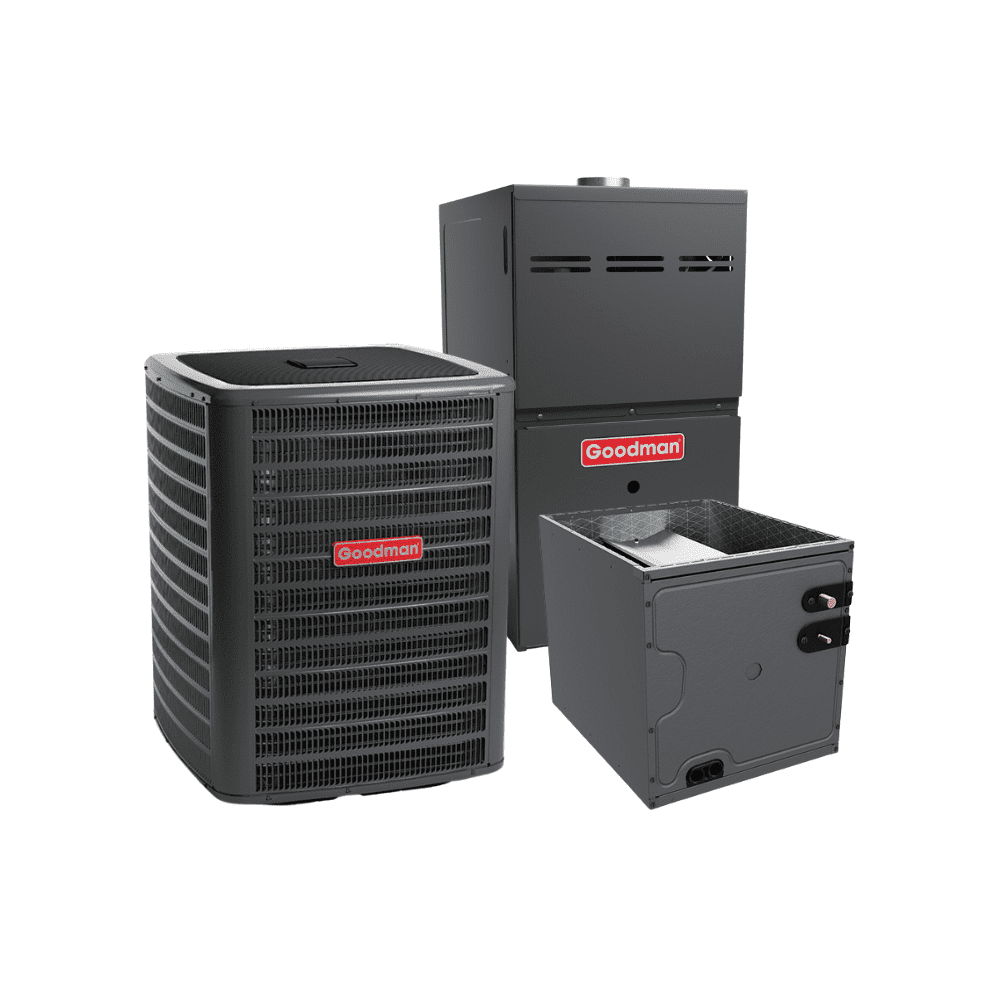
Thinking about a new air conditioner and furnace? You probably want to know how much it will cost before making any decisions.
Choosing the right system for your home can feel overwhelming, especially when prices vary so much. But don’t worry—this guide will break down everything you need to know about the costs involved. By the end, you’ll have a clear idea of what to expect and how to get the best value for your money.
Keep reading to make sure your home stays comfortable without breaking the bank.

Credit: greenleafair.com
Factors Affecting Air Conditioner Costs
The type of air conditioneraffects cost a lot. Window units are cheaper than central systems. Split systems usually cost more but cool better.
Size and capacitymatter too. Bigger homes need bigger units. Bigger units cost more but cool faster.
Energy efficiency ratingsshow how much power the unit uses. Higher ratings mean less electricity and lower bills. These units cost more upfront.
Installation complexitycan increase the price. Easy installs cost less. Complicated setups, like ductwork or electrical changes, raise the cost.
Factors Influencing Furnace Prices
Furnace prices depend on several key factors. Different furnace typesinclude standard, high-efficiency, and modulating models. Each type costs differently due to technology and features.
Fuel sourcesimpact price as well. Gas, electric, oil, and propane options vary in cost and availability. Gas furnaces tend to be common and moderately priced.
Efficiency levelsaffect initial cost and long-term savings. Higher efficiency models use less energy but cost more upfront. Look for the AFUE ratingto compare efficiency.
Installation requirementscan raise the price. Complex ductwork, venting, and labor add to total cost. Older homes might need more work than new constructions.
Average Cost Breakdown For Air Conditioners
The unit priceof air conditioners varies by brand and size. Small window units cost between $150 and $500. Central air systems range from $2,500 to $7,500. Larger homes need bigger systems, which cost more.
Installation feesdepend on the complexity of the job. Simple installations may cost $300 to $1,000. Complex setups with ductwork can run up to $2,500 or more.
Additional materials and equipmentinclude:
- Thermostats
- Ductwork
- Electrical wiring
- Mounting brackets
These extras can add $200 to $1,000to the total price.

Credit: www.acdirect.com
Average Cost Breakdown For Furnaces
The equipment costfor a furnace usually ranges from $700 to $3,000. Prices depend on the type and efficiency of the furnace. Higher efficiency models cost more but save energy over time.
Labor and installation chargesoften add $1,000 to $2,500to the total price. This includes setup, ductwork, and testing. Skilled technicians ensure safe and correct installation.
Permits and inspection feesvary by location. They generally cost between $100 and $500. Permits ensure the furnace meets local safety codes and standards.
Energy Efficiency And Long-term Savings
Energy-efficientair conditioners and furnaces use less power. This cuts utility billssignificantly over time. Choosing a unit with a high SEER or AFUE rating saves money.
Many areas offer tax creditsor rebates for buying energy-saving models. These incentives reduce the initial cost of your system.
| Cost Type | Typical Range | Notes |
|---|---|---|
| Regular Maintenance | $75 – $200 per visit | Ensures system runs efficiently |
| Repairs | $100 – $1,200 | Depends on issue severity |
| Filter Replacement | $20 – $100 annually | Improves air quality and performance |
Good maintenance extends the life of your system. It also helps avoid costly repairs. Regular check-ups keep everything running smoothly.
Choosing Between Repair And Replacement
Signs to replace your system include frequent breakdowns and rising energy bills. If your unit is over 10-15 years old, it may be less efficient. Strange noises or poor heating/cooling are clear signals too. Repair costs rising above 50% of a new unit’s price suggests replacement.
| Cost Aspect | Repair | New Unit |
|---|---|---|
| Average Cost | $150 – $600 | $3,000 – $7,000 |
| Lifespan Added | 1-3 years | 15-20 years |
| Energy Savings | Minimal | Significant |
| Warranty | Limited | 5-10 years |
Tips For Reducing Installation Costs
Buying an air conditioner or furnace during off-season months can save money. Prices often drop in fall or spring when demand is low. This timing helps avoid peak installation costs.
Getting quotes from several companies ensures the best price. Each company might offer different deals or services. Compare these to find the best value for your budget.
Financing options spread out payments over time. This makes buying a new system easier on your wallet. Look for low-interest plans or special offers to reduce total cost.

Credit: thefurnaceoutlet.com
Frequently Asked Questions
How Much Does A New Air Conditioner Cost?
A new air conditioner typically costs between $3,000 and $7,000. Prices vary based on unit size, efficiency, and brand. Installation fees may add $500 to $2,000. Higher SEER ratings usually increase the price but save energy long-term.
What Is The Average Cost Of A New Furnace?
New furnaces generally cost between $2,500 and $6,000. The price depends on furnace type, size, and efficiency. Installation can add $1,000 to $3,000. High-efficiency models cost more upfront but reduce heating bills over time.
Are Installation Costs Included In Air Conditioner Prices?
Most air conditioner prices exclude installation fees. Installation costs depend on system complexity and labor rates. Expect to pay $500 to $2,000 extra for professional installation. Always confirm if the quote includes installation before purchasing.
How Does Energy Efficiency Affect Furnace Pricing?
Energy-efficient furnaces cost more initially but save money later. Higher AFUE ratings increase upfront costs but lower utility bills. Investing in efficiency reduces environmental impact and improves home comfort. Check for rebates on high-efficiency models.
Conclusion
Choosing a new air conditioner and furnace depends on many factors. Prices vary by size, brand, and efficiency. Think about your home’s needs and budget. Quality matters for long-lasting comfort and savings. Proper installation helps your system work well. Regular maintenance keeps it running smoothly.
Take your time to compare options carefully. A good system keeps your home cozy all year. Investing wisely brings peace and comfort.