Are you unsure about the best temperature to set your air conditioner? You’re not alone.
Finding the perfect balance between comfort and saving energy can be tricky. Set it too low, and your bills skyrocket; set it too high, and you feel uncomfortable. But what if there’s a simple way to keep your home cool without wasting money or energy?
You’ll discover the ideal air conditioner settings that protect your comfort and your wallet. Keep reading to learn how small changes can make a big difference for you and your home.
Ideal Temperature Range
The ideal air conditioner temperatureis usually between 72°F and 78°F. This range keeps you comfortableand saves energy. Setting the AC too low uses more electricity and costs more. Setting it too high may feel uncomfortable.
Balancing comfort and energy savingsis key. For example, 78°F saves energy but may feel warm. 72°F feels cooler but uses more power. Try to find a middle ground you like.
| Season | Recommended Temperature | Reason |
|---|---|---|
| Summer | 75°F – 78°F | Stay cool and save energy |
| Spring/Fall | 72°F – 75°F | Comfortable with less cooling needed |
| Winter | 68°F – 72°F | Less cooling, more heating |
- Adjust temperature slightly by season.
- Higher temps in summer save energy.
- Lower temps in cooler months keep comfort.
- Use a programmable thermostat for ease.
Factors Affecting Settings
Room sizeaffects how cool the air conditioner needs to work. A larger room needs a lower temperature setting to stay cool. Good insulationkeeps cool air inside and hot air outside, making the room easier to cool. Poor insulation means the AC works harder.
Occupant preferencesvary. Some people like it cooler, others warmer. Setting the AC too cold can waste energy. Finding a balance helps everyone feel comfortable.
Humidity levelschange how the temperature feels. High humidity makes the air feel warmer. Lowering the AC temperature a bit can help remove moisture. In dry air, a higher setting might be enough.
Energy Efficiency Tips
Programmable thermostatshelp save energy by setting different temperatures for day and night. They keep your home cool only when needed. This avoids wasting electricity and lowers bills.
Cleaning or replacing AC filtersregularly keeps air flowing well. It also helps the unit run better and last longer. Check for dirt or blockages in coils and vents too.
Good airflowmakes your AC work less. Keep furniture away from vents. Use fans to move cool air around rooms. Close doors in unused rooms to focus cooling where needed.

Credit: www.healthkart.com
Health And Safety Considerations
Avoiding overcoolinghelps keep the body comfortable and safe. Setting the air conditioner too low can cause chills, headaches, and dry skin. It can also lead to muscle stiffness. A good temperature is around 75°F (24°C). This keeps the room cool but not too cold.
Preventing mold and allergensis important for health. Air conditioners can trap moisture. This moisture can create mold, which harms the lungs and causes allergies. Regular cleaning of filters and vents stops this problem. Keeping the temperature steady also reduces moisture build-up.
- Set temperature near 75°F (24°C)
- Clean filters every 1-2 months
- Check for water leaks or damp areas
- Use a dehumidifier if needed
Smart Technology Integration
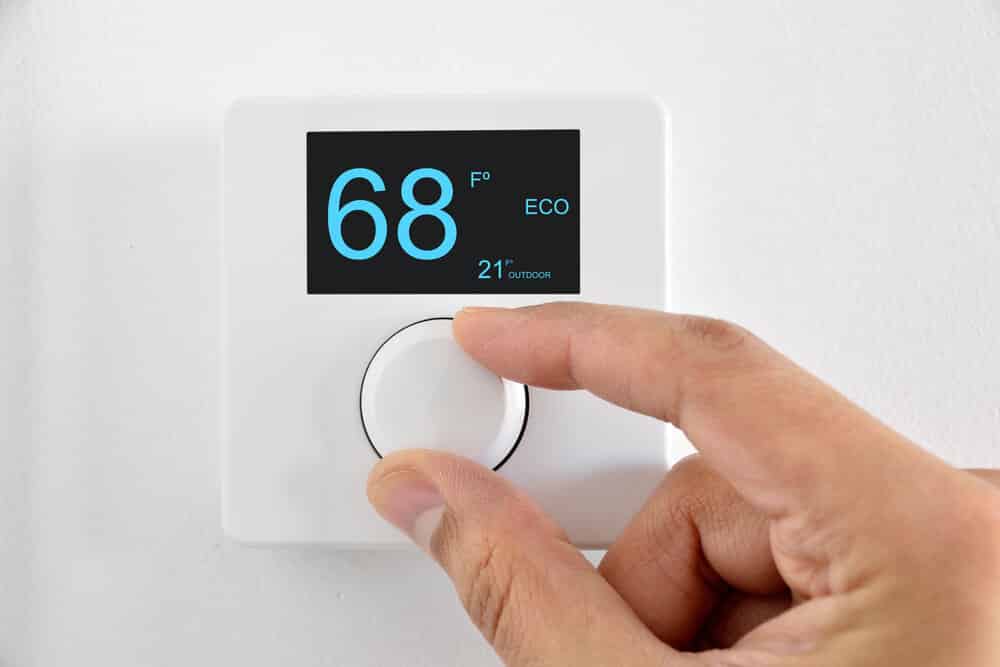
Smart thermostats offer easy controlof your air conditioner. They learn your daily schedule and adjust temperatures automatically. This saves energyand lowers bills. You can set your AC to cool only when you are home.
Remote control features let you change settings from anywhere. Use your phone or tablet to switch the AC on before arriving home. This keeps rooms comfortablewithout wasting energy. Some models also show energy usedata to help track savings.

Credit: www.reddit.com
Credit: fischerheating.com
Frequently Asked Questions
What Temperature Should I Set My Air Conditioner?
Set your air conditioner between 72°F and 78°F for optimal comfort and energy efficiency. This range balances cooling needs and electricity use effectively.
How Does Temperature Setting Affect Energy Bills?
Higher AC settings reduce energy consumption and lower bills. Each degree above 72°F can save about 3-5% on cooling costs.
Is It Better To Keep Ac Constant Or Adjust?
Adjusting the AC when not home saves energy. Use a programmable thermostat to optimize cooling based on your schedule.
Can Setting Ac Too Low Harm The System?
Setting AC too low strains the system and raises energy use. Avoid temperatures below 70°F to maintain efficiency and lifespan.
Conclusion
Setting your air conditioner at the right temperature saves energy and money. Aim for a balance between comfort and efficiency. Around 78°F (25-26°C) works well during summer days. Keep the temperature steady to avoid extra energy use. Use fans to help cool your space faster.
Close windows and doors to keep cool air inside. Regular maintenance keeps your AC running smoothly. Small changes make a big difference in your comfort. Stay cool and save energy with smart settings. Your wallet and the planet will thank you.