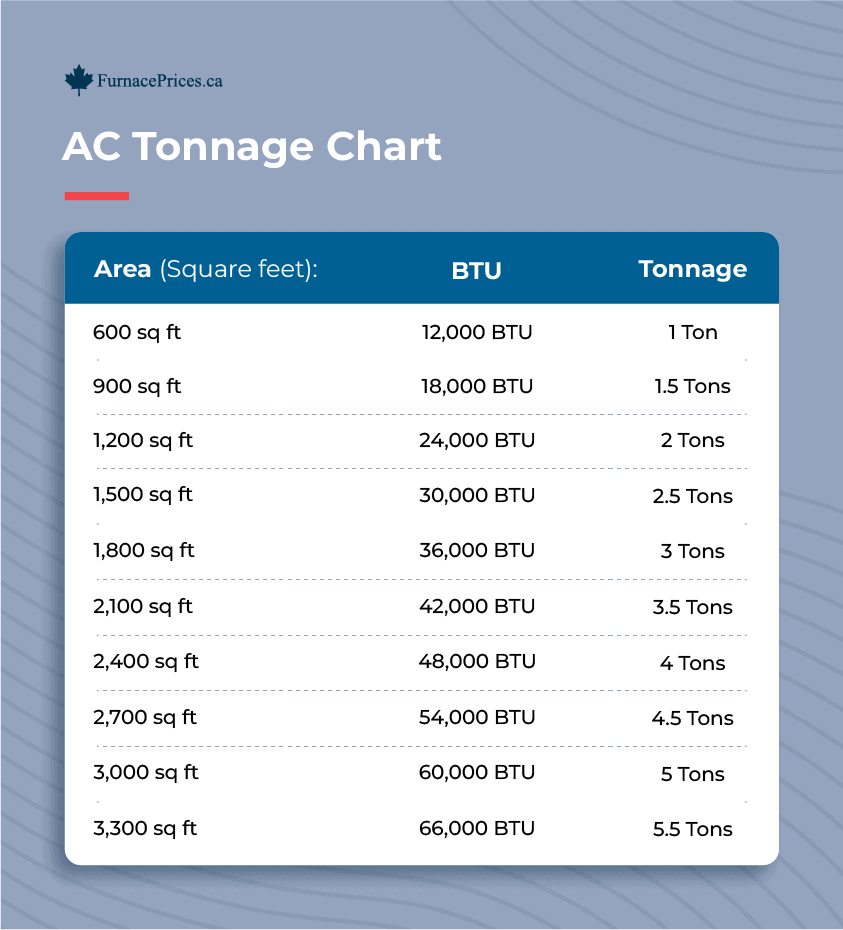
If you’ve ever shopped for an air conditioner, you’ve probably seen the term “BTUs” but weren’t quite sure what it meant. Understanding BTUs can help you pick the perfect air conditioner for your space, saving you money and keeping your room comfortable all year round.
This article will break down what BTUs are, why they matter, and how to choose the right size unit for your needs. By the end, you’ll feel confident about making a smart, cool choice for your home or office. Keep reading to discover the secret behind those numbers and how they affect your comfort!
Btu Basics
BTUstands for British Thermal Unit. It measures energy or heat. One BTU is the heat needed to raise the temperature of one pound of water by one degree Fahrenheit.
Heat transfermeans moving heat from one place to another. BTUs show how much heat moves in a system. This helps us understand heating and cooling power.
In air conditioners, BTUs show cooling capacity. The higher the BTU number, the more air the unit can cool. Choosing the right BTU helps keep rooms comfortable without wasting energy.
Credit: www.homedepot.com
Btu Ratings For Air Conditioners
BTUstands for British Thermal Unit. It measures how much heat an air conditioner can remove in one hour. A higher BTU means the unit can cool a larger space. Choosing the right BTU helps keep rooms comfortable and saves energy.
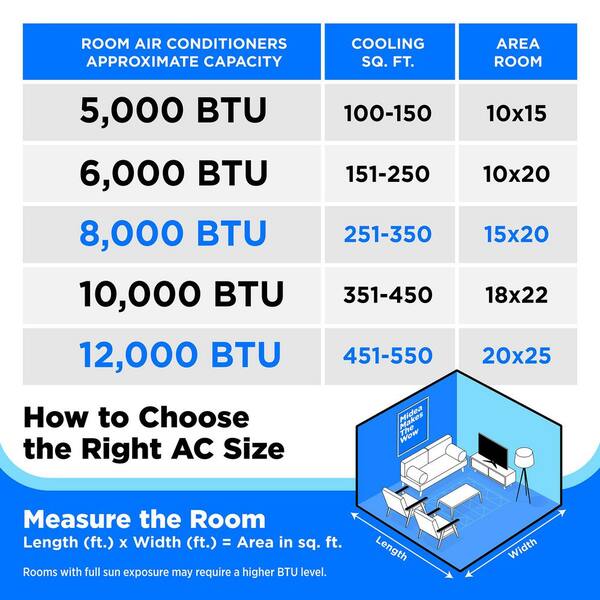
Common BTU sizes fit different room sizes. Small rooms need less BTU, while big rooms need more.
| Room Size (sq. ft.) | Recommended BTU |
|---|---|
| 100-300 | 5,000 – 6,000 |
| 300-500 | 7,000 – 8,000 |
| 500-800 | 10,000 – 12,000 |
| 800-1,200 | 14,000 – 18,000 |
- Too low BTU means poor cooling.
- Too high BTU wastes energy.
- Choose BTU based on room size and sun exposure.
Impact Of Btu On Cooling Efficiency
BTUstands for British Thermal Unit. It shows how much heat an air conditioner can remove. The right BTU size depends on room size. Too low BTU won’t cool well. Too high BTU wastes energy and causes short cycling.
| Room Size (sq ft) | Recommended BTU |
|---|---|
| 100 – 300 | 5,000 – 6,000 |
| 300 – 500 | 7,000 – 8,000 |
| 500 – 800 | 10,000 – 12,000 |
| 800 – 1,200 | 14,000 – 18,000 |
Energy consumptionrises with higher BTU units. Using the right BTU saves money and power. A unit too big uses more energy and cools unevenly.
Cooling speeddepends on BTU size too. Bigger BTUs cool faster but may create cold spots. Smaller BTUs cool slower but keep even temperature.

Credit: www.bestbuy.com
Factors Affecting Btu Needs
Room insulationaffects how much cooling power an air conditioner needs. Well-insulated rooms keep the cool air inside longer. Poor insulation lets heat in, so more BTUs are needed to cool the space.
Sunlight exposureheats up a room quickly. Rooms facing the sun need higher BTU units. Windows without shades or curtains add to the heat inside.
Number of occupantsraises the temperature too. More people in a room means more body heat. This increases the BTU needed to keep the room cool.
Btu And Air Conditioner Types
BTUstands for British Thermal Unit. It measures how much heat an air conditioner can remove. The higher the BTU, the more powerful the AC is.
Window unitsare easy to install in windows. They are good for small rooms. They usually have lower BTU ratings.
Split systemshave two parts: one inside and one outside. They cool larger spaces and run quietly. They come in many BTU sizes.
Portable ACscan be moved from room to room. They are less powerful but flexible. Ideal for temporary cooling needs.
Maintaining Optimal Btu Performance
Regularly cleaning or replacing the air filter keeps airflow strong. Check the evaporator and condenser coils for dirt build-up. Clear debris from outside units to avoid blockages. Make sure the thermostat works correctly to keep temperature steady. Tighten electrical connections to prevent failures. Schedule professional tune-ups yearly to maintain efficiency.
- AC runs too long or not long enough
- Rooms feel too hot or too cold
- High energy bills without more use
- Air conditioner cycles on and off often
- Water leaks around the unit
Choosing a unit with proper BTU is important. Too low BTU means poor cooling. Too high BTU wastes energy and causes humidity issues. Upgrading to a new unit helps if your AC is old or inefficient. Newer models save energy and cool better.

Credit: www.sylvane.com
Frequently Asked Questions
What Does Btu Mean In Air Conditioners?
BTU stands for British Thermal Unit. It measures the cooling power of an air conditioner. Higher BTUs mean more cooling capacity for larger spaces.
How Many Btus Do I Need For My Room?
To find the right BTUs, consider your room size. About 20 BTUs per square foot is a good rule of thumb. Larger rooms need more BTUs for effective cooling.
Why Are Btus Important In Choosing An Ac?
BTUs determine how well an air conditioner cools a space. Choosing the correct BTU ensures energy efficiency and comfort. Too low or too high BTUs can cause problems.
Can Too Many Btus Harm My Air Conditioner?
Yes, an oversized AC with too many BTUs cycles on and off frequently. This reduces efficiency, increases wear, and raises energy bills. Proper sizing is essential.
Conclusion
Understanding BTUs helps you choose the right air conditioner size. Too few BTUs cannot cool your room well. Too many BTUs waste energy and money. Check your room size before buying an AC. This way, your space stays comfortable and cool.
Knowing BTUs also helps you save on electricity bills. A proper AC keeps your home fresh and cozy. Now, you can pick an air conditioner that fits your needs perfectly. Simple and smart choices make a big difference.